
Ex Sanguis takes the demanding initiative-based combat of tactical predecessors and strips it down into a rapid roguelike experience. Instead of relying purely on spatial positioning and defensive turtling, combat in this grim tactical RPG revolves around manipulating chronological order on a dynamic timeline. Players command a trio of specialized warriors against swarming eldritch horrors, calculating exact turn orders to preempt lethal strikes, trigger reactive defenses, and exploit environmental hazards across lunar battlefields.
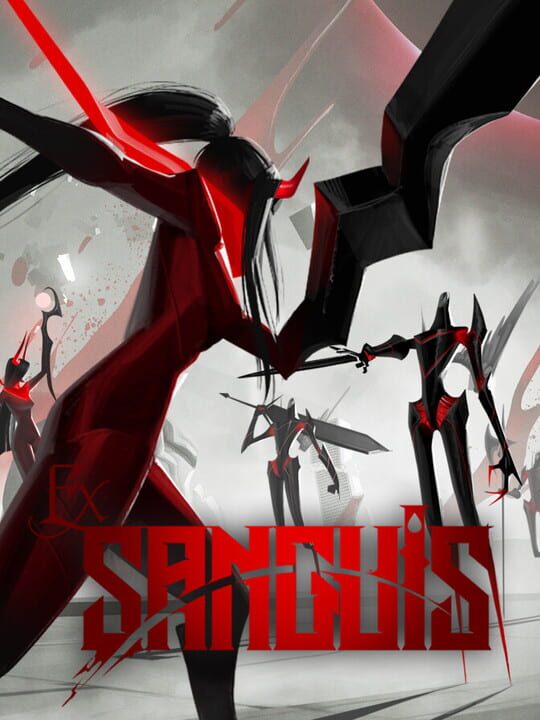
▲ Official Cover Art (Source: IGDB)
| Attribute | Detail |
|---|---|
| Game Title | Ex Sanguis |
| Genre | Timeline Roguelike Tactics RPG |
| Platform | PC |
| Combat System | Dynamic Timeline Initiative and Action Point Burst |
| Official Store | Steam Store Page |
Mastering the Timeline in Ex Sanguis Tactical Combat
The core combat engine is built around reading future enemy actions and disrupting them before they materialize. Rather than simple turn trades, characters queue actions that either fire instantly, react dynamically to incoming damage, or execute after a calculated tick delay. Successfully piloting a squad requires predicting where advancing monstrosities will step several ticks ahead, landing heavy delayed artillery directly into their paths. Players can also tap into a Burst mechanic, expending extra action points for immediate damage at the cost of delaying their subsequent turn on the initiative track.
Repositioning abilities expand this temporal puzzle into active spatial control. Combatants utilize forceful kicks, shoves, and gravity pulses to disrupt queued enemy strikes. Pushing a menacing angelbeast knocks its pending area attack off target, potentially slamming it into environmental obstacles. Volatile blood blisters scattered across the map detonate upon impact, propelling adjacent units across the grid and triggering devastating chain reactions. The game demands that players stay proactive, as enemy reinforcements consistently hatch from sacs, penalizing passive playstyles and rewarding decisive execution.
Streamlined Roguelike Progression and Structural Tradeoffs
Outside of battle, Ex Sanguis pivots toward a straightforward roguelike loop structured around a cratered world map. Players draft a three-unit strike team composed of archetype roles such as Swordlady, Gunlass, and Time Wizardress before embarking on node-based combat routes. Victories award Corrupted Blood alongside a draft choice of three abilities or passive stat upgrades per character. Synergy building plays a vital role here, enabling setups where bleeding debuffs applied by melee strikes can be consumed to sustain unit vitality across successive engagements.

▲ Gameplay & Official Media (Source: IGDB)
Campaign Pacing and Strategic Identity
This trimmer expedition format accelerates the overall pace, offering quick runs and clear milestone boss battles. However, the pivot toward standard roguelike conventions introduces notable tradeoffs. The macabre, dense narrative layering of classic grimdark tactics feels somewhat simplified in favor of snappy pacing. While ability combos are functional, discovering truly game-altering timeline synergies currently feels less dramatic during early encounters. With at least six months planned in Early Access, expanding character trait depth and refining delayed reactions will be key to unlocking the system full strategic ceiling.
Ex Sanguis successfully sharpens timeline combat while adjusting to roguelike pacing
The combat engine thrives on spatial displacement, delayed area attacks, and high-risk Burst management that keep every encounter engaging. While the trimmed campaign structure streamlines progression, the core timeline manipulation delivers a distinct and rewarding tactical loop that will benefit greatly from further ability refinement during early development.
Final Pulse Score: 7.8 / 10