
Exodus is taking a distinct creative path by trading endless facial sliders for a highly defined, curated protagonist. While many modern roleplaying games pride themselves on offering millions of granular adjustments, developer Archetype Entertainment is prioritizing narrative consistency. Players will step into the boots of Jun Aslan, a traveler whose core facial structure is set in stone to ensure a more cohesive and expressive cinematic experience throughout the journey.
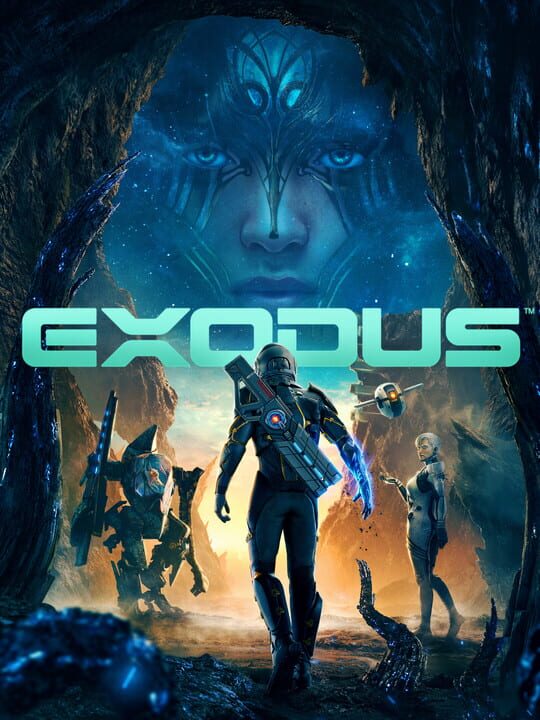
▲ Official Cover Art (Source: IGDB)
| Developer | Archetype Entertainment |
| Publisher | Wizards of the Coast |
| Protagonist Name | Jun Aslan |
| Customization Type | Curated (Hair, Beard, Tattoos, Makeup) |
Why Exodus Is ditching the Classic Slider System
The decision to lock down Jun Aslan’s foundational facial features stems from a desire to build a deeper, more narrative-focused identity. Traditional slider-based systems can often result in bizarre, immersion-breaking proportions that clash with serious cinematic moments. By maintaining control over the protagonist’s primary bone structure, the developers can ensure that facial animations, emotional expressions, and lip-syncing remain flawless across every cutscene. It is a calculated compromise that elevates the game’s cinematic storytelling at the cost of extreme visual freedom.
Rather than letting players distort the nose or brow structure, Archetype Entertainment is focusing on stylized customization. Players can still personalize their character using a wide array of hairstyles, facial hair, hair colors, eye colors, makeup, and tattoos. This approach guarantees that while your version of Jun might sport a rugged beard and distinct tattoos, he will always look like a believable inhabitant of the gritty universe. The developers plan to showcase these hair and makeup systems in action over the coming months to prove that player expression is still very much alive.
The Narrative Value of an Established Protagonist in Exodus
When looking at the history of roleplaying games, some of the most memorable stories feature highly defined protagonists. Players rarely complained about the inability to reshape the facial structure of characters like Geralt of Rivia or Commander Shepard, as their pre-established designs allowed for stronger emotional resonance and tighter narrative pacing. By grounding Jun’s visual identity, the studio can deliver a more personal story where the protagonist feels like a natural part of the world rather than an anomalous, player-created avatar.
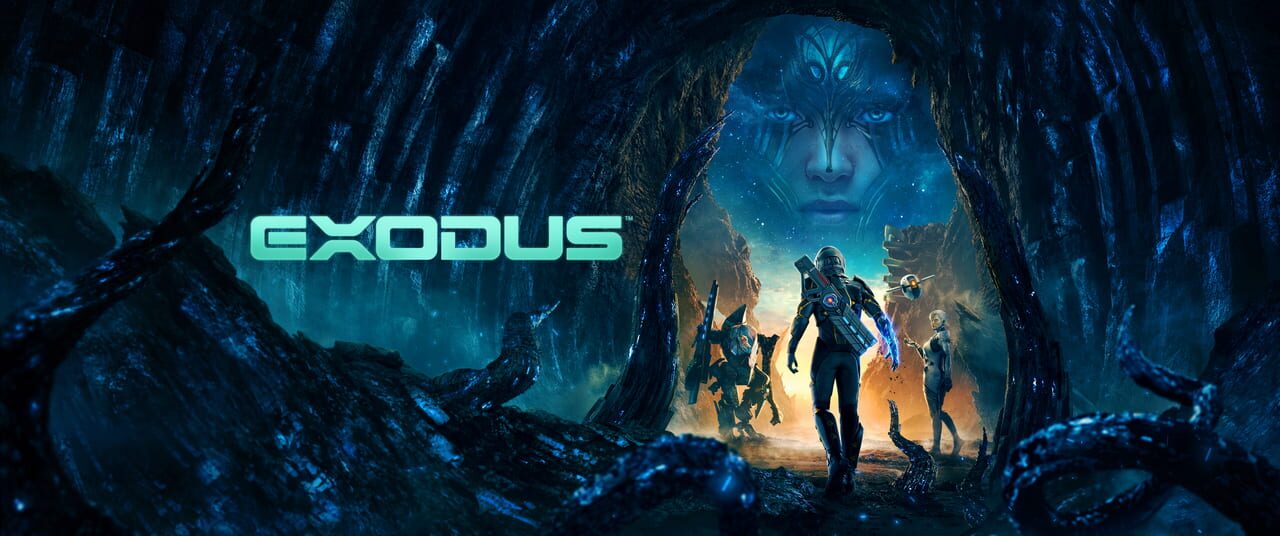
▲ Official Artwork (Source: IGDB)
This design choice also significantly streamlines the development of armor, helmets, and cinematic camera angles. When the development team knows the exact physical boundaries of the protagonist’s face, they can craft highly detailed headgear and intimate close-up shots without worrying about clipping issues or awkward geometry. For a sci-fi epic that heavily relies on high-fidelity visuals and immersive world-building, this level of polish could make all the difference in the final product.
Exodus shifts the customization paradigm from anatomical chaos to styled identity
By limiting slider manipulation, the development team ensures that emotional animations and cinematic camera work remain pristine. This design choice elevates the narrative weight of the protagonist, proving that a cohesive visual identity often triumphs over the ability to create distorted character models. It is a bold, narrative-first philosophy that aligns perfectly with the demands of a modern, story-driven sci-fi epic.
Final Pulse Score: 8.5 / 10