
Gen Atlas represents a monumental shift for legendary director Fumito Ueda and the talented developers at Gen Design. Announced to massive acclaim, this upcoming title transitions the studio’s hallmark atmospheric storytelling into a fascinating science-fiction landscape populated by massive machines. By focusing on the emotional resonance of giant robots, the game promises to offer an experience that is both deeply personal and grand in scale.
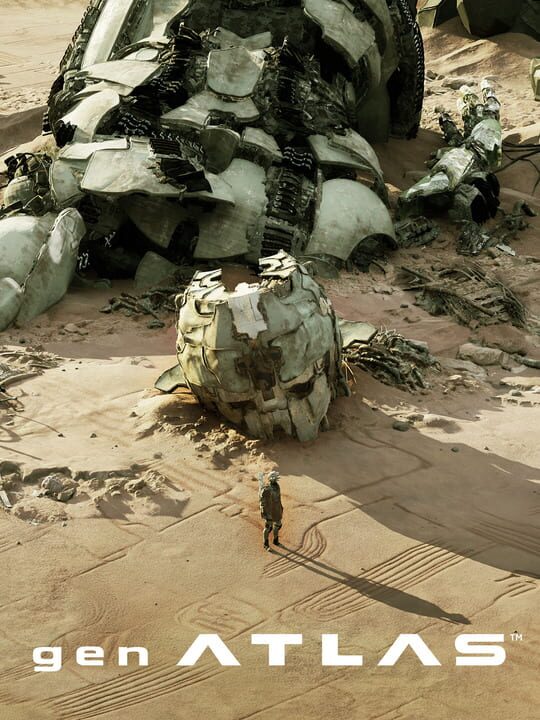
▲ Official Cover Art (Source: IGDB)
| Developer | Gen Design |
| Publisher | Epic Games |
| Platforms | PlayStation 5, Windows PC, Xbox Series X |
| Release Date | To Be Announced |
| Key Mechanic | Interactive Robot Head Companion |
The Unique Mechanics and World of Gen Atlas
In Gen Atlas, players step into the shoes of a trained, mysterious protagonist exploring a desolate, forgotten planet. This abandoned world is filled with massive, crumbling facilities, looming architecture, and an ever-shifting sea. While previous titles developed by Ueda centered around biological companions, this project introduces a unique dynamic by pairing the hero with a severed giant robot head. This partner head is far more than a simple machine; it acts as a functional tool, navigator, and primary means of transport.
A key aspect of the adventure involves locating and reconnecting the massive head to its colossal body. Successfully doing so unlocks advanced exploration options, environmental puzzles, and tactical combat scenarios. The protagonist is also equipped with a powerful firearm to defend against threats, marking a notable departure from the developer’s usual peaceful leads. However, the studio emphasizes that this is not a traditional shooter, prioritizing strategic cooperation and pacing over raw gunplay.
Streamlining Traversal to Eliminate Gameplay Tedium
Reflecting on previous monumental releases, the development team is focused on refining the overall flow of gameplay in Gen Atlas. Recognizing that repetitive tasks can lead to player frustration, the developers are actively designing features to eliminate tedious traversal. Instead of slowly climbing up every single step of a massive structure, players can use high-velocity launch pads to propel themselves directly onto the backs of giant mechanical entities.
This design philosophy extends to the puzzle-solving and mission structure, offering multiple pathways to accomplish objectives. Players are encouraged to seek out exhilarating, creative solutions rather than resorting to repetitive brute force. The title ‘Atlas’ itself serves a dual purpose, referencing both the vast, uncharted world map and the primary cervical vertebra that supports the head in a skeleton, highlighting the fundamental connection between the player and their robotic companion.
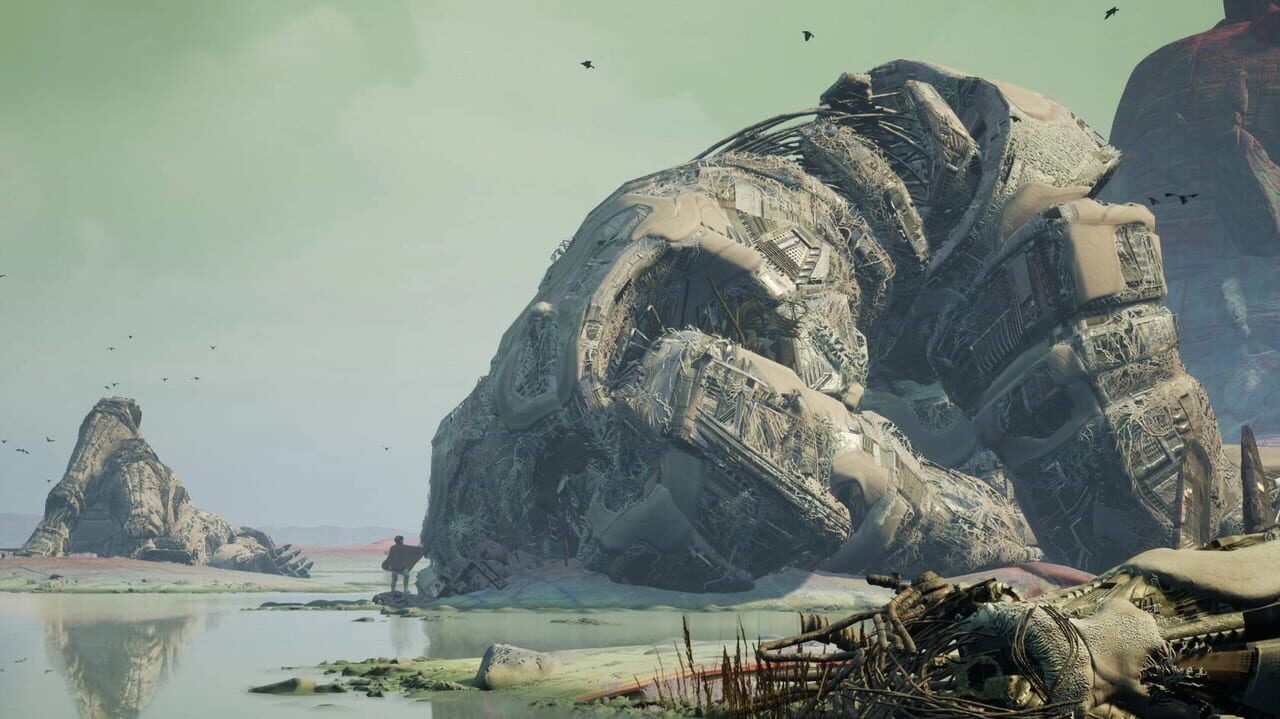
▲ Official Artwork (Source: IGDB)
A Poetic Approach to Science Fiction Storytelling
The narrative delivery in Gen Atlas will feel slightly more direct than the highly abstract plots of previous works, offering players clearer on-screen context. However, the team’s underlying approach to world-building remains remarkably artistic. Rather than utilizing a traditional, rigid script, the developers structure their lore outlines similarly to Japanese haikus. They utilize evocative keywords and sensory details to construct the overall mood, tone, and environment.
This literary methodology relies heavily on the concept of seasonal words, allowing various elements of the landscape and character designs to convey multiple layers of meaning. This collaborative, highly visual design process ensures that the game retains its characteristic mystery, allowing players to form their own unique interpretations of the story. The resulting narrative promises to be as hauntingly memorable as the physical journey across the abandoned planet.
How Gen Atlas redefines the giant robot power fantasy
By moving away from traditional mechanical action and focusing on the intimate bond between a pilot and a detached robot head, Gen Atlas challenges the conventional tropes of science-fiction gaming. The shift toward streamlined traversal and poetic storytelling proves that experimental art and accessible gameplay can coexist harmoniously in a modern current-generation title.
Final Pulse Score: 9.0 / 10