
Guild Wars 3 is officially taking aim at the modern state of live service gaming, with developer ArenaNet offering a scathing critique of today’s dominant industry business models. As players navigate an era defined by aggressive seasonal passes, the studio is positioning its next major project as a direct rejection of hidden fees. By committing to a traditional buy-to-play structure with zero subscription requirements, the developers seek to restore genuine control and agency back to the player. This philosophical stance marks a bold declaration in an industry increasingly reliant on manipulative monetization tactics to maintain daily engagement numbers.
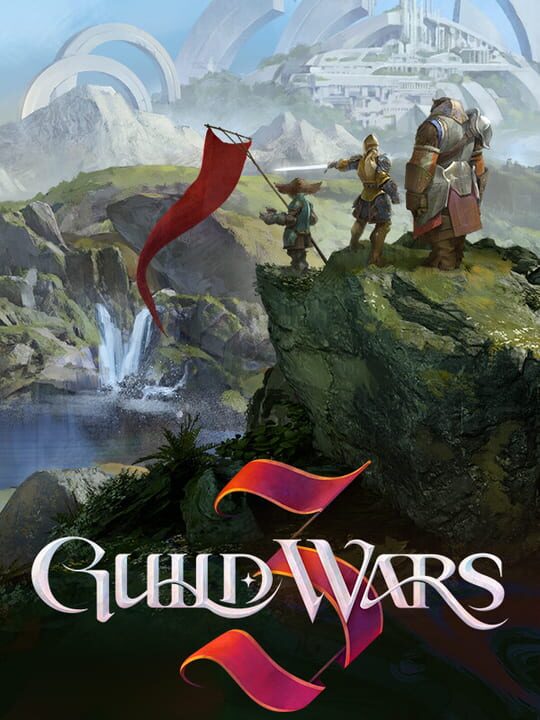
▲ Official Cover Art (Source: IGDB)
| Attribute | Detail |
| Developer | ArenaNet |
| Monetization Model | Buy-to-play with paid expansions and cosmetics |
| Gameplay Focus | Unique instanced and cooperative experiences |
| Narrative Timeline | 1200 years prior to the original game |
Demolishing the Live Service Illusion and Returning to Tyria
The upcoming launch of Guild Wars 3 marks a massive narrative and design shift for the franchise, transporting players to an era 1200 years before the original game. This setting explores the sudden, mysterious departure of the realm’s gods, providing a clean slate for both veterans and newcomers to uncover the ancient history of Tyria. Unlike traditional expansions that merely build upon existing endgame loops, this prequel approach allows the studio to build a distinct world with its own mechanical flavor. The narrative shift ensures that the upcoming title is not just a sequel, but a completely reimagined fantasy experience.
The Guild Wars 3 Approach to Player Freedom and Monetization
When examining how Guild Wars 3 intends to structure its economy, ArenaNet has drawn a clear line in the sand against battle passes and recurring seasonal fees. Studio head Colin Johanson argued in their official philosophical deep dive that modern battle passes are simply subscription fees hidden inside of an optional package. Instead of coercing players to log in daily out of a fear of missing out, the game will rely on a model of paid expansions, cosmetics, account services, and convenience items. This strategy aims to respect the player’s time, treating the game as an entertainment option rather than a secondary occupation.
While some skeptics might argue that convenience items in Guild Wars 3 could easily morph into paid shortcuts if game progression feels artificially sluggish, the developer remains committed to keeping the baseline gameplay satisfying. Striking this balance is crucial, as the modern player base has grown highly sensitive to any design choice that feels like a manufactured chore. If the studio succeeds in delivering a premium, complete experience without locking essential progression behind microtransactions, it could set a major precedent for the entire MMORPG landscape.
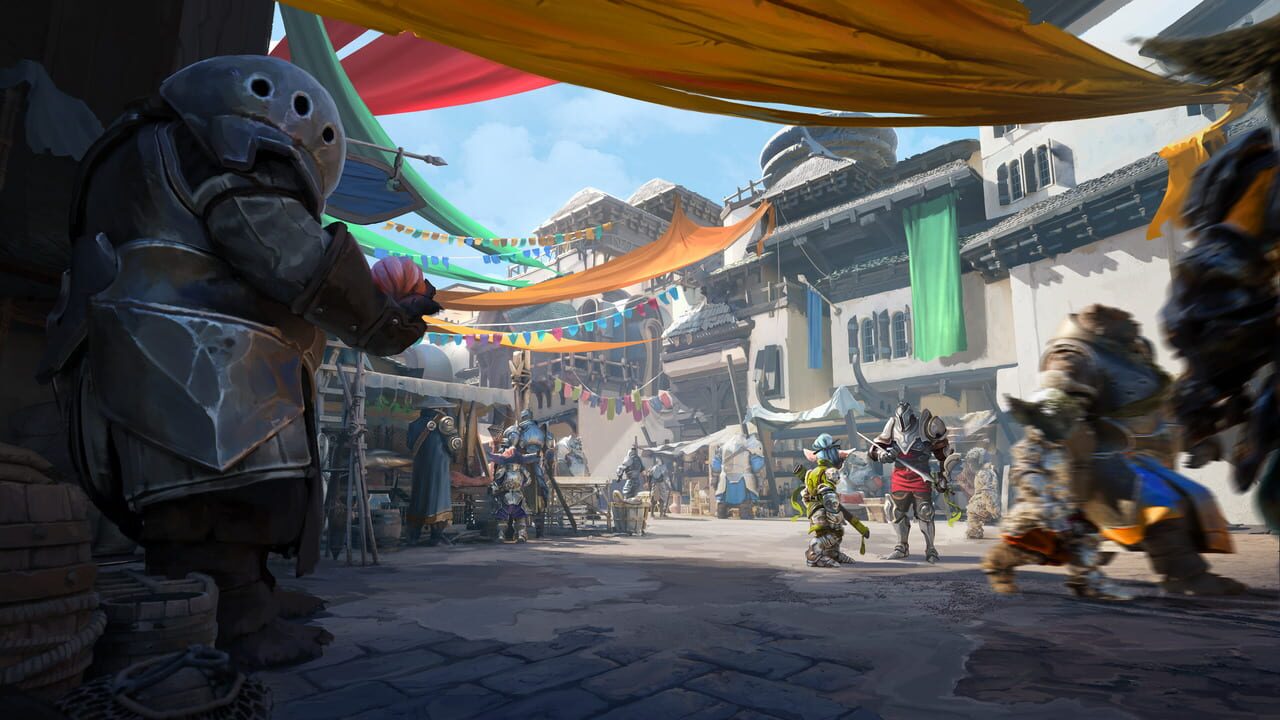
▲ Official Artwork (Source: IGDB)
Coexisting Timelines and Scale Shift
The structural divergence of Guild Wars 3 ensures that it will not simply cannibalize the active player base of its predecessors. While the original game focused heavily on instanced, small-team challenges and Guild Wars 2 specialized in massive world boss battles and map-wide meta-events, the third entry is carving out a unique mechanical identity. By positioning Guild Wars 3 as a distinct experience that does not replicate the massive scale of the second game, the studio allows all three titles to coexist peacefully. This multi-generational ecosystem gives players the freedom to choose their preferred gameplay style across different eras of Tyria’s history.
Guild Wars 3 Monetization Paves a Bold New Path for Player Agency
By calling out the industry’s reliance on pseudo-subscriptions, ArenaNet is taking a significant risk that could redefine player expectations. Rejecting the highly lucrative battle pass model in favor of old-school expansions and convenience options shifts the pressure entirely onto game quality rather than daily retention metrics. If the core gameplay loops remain engaging without feeling intentionally grindy, this title could prove that consumer-first monetization is still viable in the modern MMORPG market.
Final Pulse Score: 8.5 / 10