
Halo: Campaign Evolved represents a massive visual leap for the iconic sci-fi shooter, but not all of its aesthetic updates are receiving universal praise, especially from the franchise’s original creators. Marcus Lehto, the legendary art director of the original game and the co-creator of Master Chief, has openly shared his dissatisfaction with how the remake handles the mysterious Forerunner architecture. While players and critics have generally lauded the game’s overall performance and visual fidelity, Lehto’s sharp critique highlights a fundamental division in design philosophy. This aesthetic clash raises critical questions about how modern remakes should balance cutting-edge graphical technology with the classic atmosphere and core lore of beloved gaming universes.

▲ Official Cover Art (Source: IGDB)
| Topic | Forerunner Architectural Redesign Controversy |
| Key Critic | Marcus Lehto (Original Halo Art Director) |
| Game Version | Halo: Campaign Evolved Remake |
| Primary Complaint | Shiny modern look replaces ancient mysterious aesthetic |
| Engine Tech | Unreal Engine 5 |
| Developer | Halo Studios |
The Clash of Art Styles in Halo: Campaign Evolved
The primary point of contention lies in how Halo: Campaign Evolved handles Forerunner structures, which are critical to the franchise’s lore and atmosphere. Lehto recently took to social media to share comparison images showing the stark contrast between the classic and redesigned environments. He argued that while Forerunner technology was originally conceptualized as metallic rather than stone, it was meant to feel ancient, vast, alive, and like a tomb to the horrors lurking within. The original design prioritized a sense of scale, weight, and history, reflecting hundreds of thousands of years of conflict. In contrast, the Unreal Engine 5-powered remake presents these structures as polished, clean metallic surfaces that Lehto argued look as if they were constructed only a few years ago.
This design departure is most apparent on the game’s main menu ring, which Lehto described as the most offensive element of the visual update. In his view, the ring should evoke a complex mix of wonder, scale, mystery, and a dark, sinister atmosphere. Instead, the remake’s rendition of the ring has been criticized as looking like a shiny new toy that is out of scale and stripped of its original mystery. The background skybox elements have also been altered, shifting away from the lore-accurate placement of the installation on the fringe of the Milky Way galaxy. By changing these environmental elements, the remake risks diluting the isolation and cosmic mystery that defined the original narrative experience.
Analyzing the Community Impact of Halo: Campaign Evolved Visual Choices
While the architectural redesign has sparked a heated debate, other visual elements of Halo: Campaign Evolved have escaped such harsh criticism. Lehto himself acknowledged that the visual updates to the Covenant and Flood aesthetics are excellent, fitting perfectly within the modernized presentation. This indicates that the core issue is not a blanket rejection of high-fidelity graphics, but rather a specific critique of environmental storytelling. The Forerunner architecture serves as the literal and thematic backdrop for the entire campaign, meaning any change in its visual tone reverberates through every mission, affecting the overall player experience and atmosphere.
From a player perspective, this division highlights the ongoing challenge of remastering classic titles. On one hand, the modern Unreal Engine 5 upgrade provides smooth gameplay, incredible fidelity, and smart visual tweaks that make the game highly accessible to new audiences. On the other hand, veteran players who value environmental consistency and the subtle horror elements of the original may find the new aesthetic less immersive. Finding the sweet spot between satisfying long-time fans who appreciate the mysterious, weathered look and new players who expect pristine, high-resolution visuals remains a delicate balancing act for the developers of Halo: Campaign Evolved.
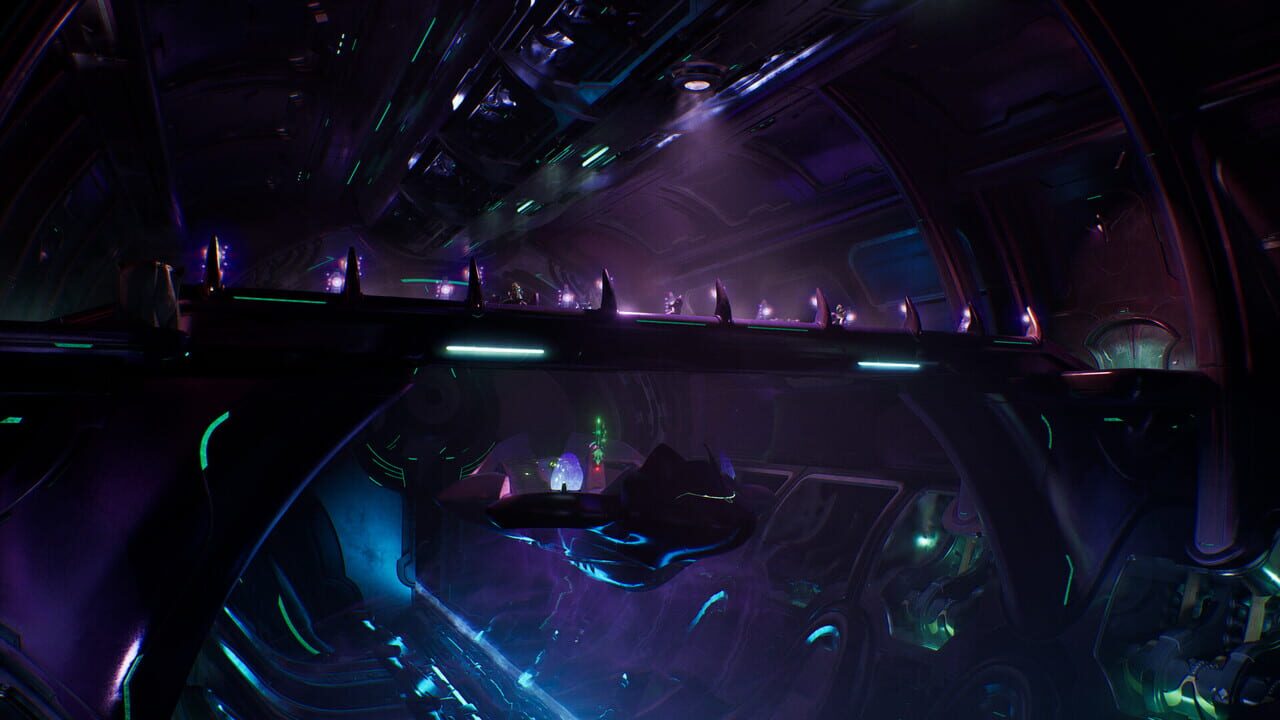
▲ Gameplay & Official Media (Source: IGDB)
Preserving Environmental Storytelling in Modern Remakes
The critique from the father of Master Chief serves as a valuable case study for the wider gaming industry. When upgrading a classic, developers must decide whether to replicate the technical limitations of the past or completely re-imagine the world using modern rendering pipelines. In the case of Halo: Campaign Evolved, the transition to highly reflective surfaces and bright, clean metal represents a conscious artistic choice that modernizes the presentation but potentially sacrifices the subtle, eerie mood of the original. As remakes continue to dominate the release calendar, preserving the specific emotional impact of environmental design will be just as important as upgrading resolutions and framerates.
Atmospheric preservation remains the ultimate challenge for Halo: Campaign Evolved
While Unreal Engine 5 delivers undeniable performance and graphical clarity, the shift from weathered, ancient Forerunner architecture to highly polished metal surfaces demonstrates how technical upgrades can inadvertently alter the narrative tone of a classic. True fidelity in a remake should not just be measured in pixel counts and reflections, but in how successfully the environment communicates the original developers’ artistic and atmospheric intent.
Final Pulse Score: 8.5 / 10