
League of Legends is set to receive a massive blast from the past with the official announcement of its highly anticipated Classic mode. Debuted during a high profile MSI Finals showmatch featuring legendary veteran pros like Doublelift and Cpt Jack, this new mode promises to transport players back to the golden eras of tactical gameplay. Rather than serving as a static archive of a single patch, this release marks the beginning of a living, evolving ecosystem where the community directly influences the game balance. The nostalgia fueled experience is scheduled to launch later this month on July 29, sparking intense discussion across the global player base.

▲ Official Cover Art (Source: IGDB)
| Developer | Riot Games |
| Mode Name | League of Legends Classic |
| Release Date | July 29, 2026 |
| Key Influences | Season 3 Mechanics and Old School RuneScape Voting |
| Confirmed Features | Classic Runes, Masteries, and Original Summoner Spells |
The Mechanics of Nostalgia in League of Legends Classic
The core gameplay of the new Classic mode is a carefully engineered Frankenstein monster of different eras, with a heavy emphasis on the mechanical depth of season three. Players can expect the triumphant return of notoriously dominant legacy builds, such as the devastating ability power Master Yi, the durable pre-rework Sion, and the burst damage potential of mages utilizing Deathfire Grasp. To support these vintage playstyles, Riot Games is resurrecting the old upgrade systems in their entirety. The classic rune and quintessence system returns to let players stack incremental stats, while the original three-branch mastery trees replace the streamlined modern setup. Even forgotten summoner spells like rally and revive are making their way back to the live servers.
Crucially, this mode diverges from traditional retro releases by adopting a community driven development pipeline inspired by Old School RuneScape. Rather than remaining frozen in time or progressing linearly through old patches, players will vote on future updates and balance adjustments. This democratic approach opens the door for fans to potentially vote defunct maps like the 3v3 Twisted Treeline back into active rotation. According to developer communications on community forums, more old school champions such as Graves and Urgot will be introduced over time, alongside the return of the iconic original champion selection music.
Community Friction and the Era Mashup Aesthetic
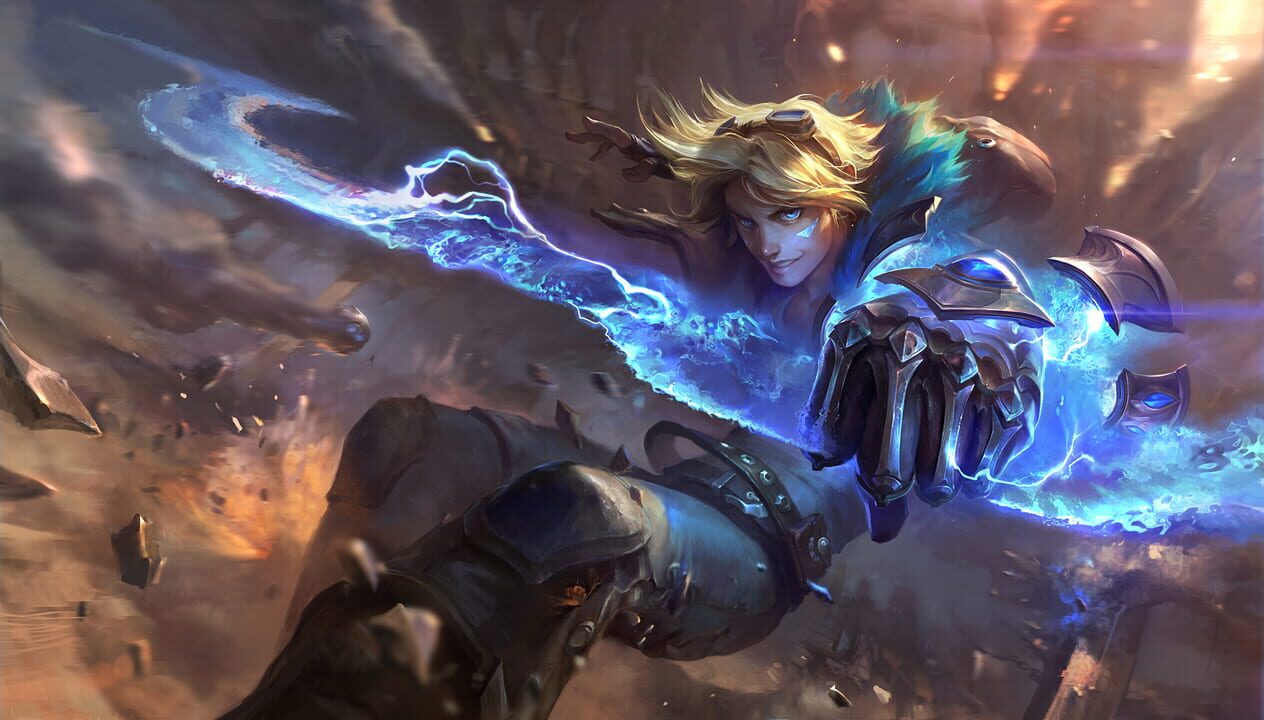
▲ Official Artwork (Source: IGDB)
Despite the overwhelming excitement surrounding the mechanical return of classic League of Legends, the visual presentation has sparked a polarized reaction among hardcore fans. The developer has opted for an era mashup aesthetic, keeping modern quality of life additions like ward trinkets and base gates while utilizing newer character models and updated art assets. Many purists argue that these modern touches dilute the nostalgic atmosphere. Community discussions highlight a strong desire for toggles to revert to original base skins and classic HUD elements, with particular criticism directed toward a newly designed health bar graphic and a more muted, desaturated color palette compared to the vibrant look of a decade ago.
While the visual compromises remain a major talking point, the potential for a fluid, player voted meta has kept the broader community highly optimistic. By allowing players to decide which elements of the past deserve to be preserved or altered, the developer is testing a unique live service experiment. Hardcore theorycrafters are already preparing to optimize old talent trees, proving that the appetite for deep, complex pre-rework mechanics is stronger than ever. More granular details regarding the server infrastructure and matchmaking rules are expected to be unveiled in an upcoming developer blog on Tuesday.
The democratic evolution of League of Legends Classic redefines retro gaming
By merging the tactical depth of season three with a community voting model, Riot Games is avoiding the stagnation that plagues other classic server projects. This hybrid approach ensures the meta stays fresh while preserving the mechanical complexity that veterans have missed. If successful, this player governed development model could set a new standard for how developers manage legacy game preservation and community engagement.
Final Pulse Score: 8.5 / 10
Related Article: League of Legends AFK LP Refund Patch Details
Related Article: League of Legends Vanguard On Demand Mode Analysis