
At the 2026 World Championship Finals, Riot Games pulled back the curtain on the future of Summoner Rift with the formal unveiling of New Dawn. Slated to roll out in 2027, the ambitious project represents an all-encompassing evolution for the premier competitive MOBA. After eighteen years of iterative updates, mid-season balance patches, and engine maintenance, the developer is gearing up for a systemic overhaul that touches everything from client architecture and champ select ergonomics to core map geometry and the underlying rune system. For players who have weathered countless meta shifts over nearly two decades, New Dawn stands out as the most radical technical and mechanical transformation League of Legends has ever attempted.

▲ Official Cover Art (Source: IGDB)
Rebuilding the Rift Beyond Surface Aesthetics
While long-term veterans remember the landmark 2014 visual refresh that modernized the Rift, New Dawn aims significantly deeper into the game engine. The debut footage demonstrates a complete overhaul of environmental textures, minion models, and dynamic particle effects for champion abilities. Both Baron Nashor and the Elemental Dragons have received striking redesigns that enhance readability during frantic objective teamfights. However, visual polish is only the foundation. The terrain itself is seeing dramatic structural adjustments, moving beyond static walls to offer novel traversal routes and sightlines that fundamentally disrupt traditional jungle paths and vision setups.
Mid laners and roaming supports will find that updated choke points reshape lane priority and objective control. Rather than relying solely on blast cones or hyper-specific mobility spells, the new map layout introduces organic pathing options that will challenge conventional warding habits. Competitive draft strategies that rely heavily on choke-control champions like Viktor or Azir could see substantial shifts once these terrain changes take full effect across competitive queues.
Overhauling Interfaces and Modernizing Runes
One of the clearest quality-of-life updates showcased in the preview footage is a completely rebuilt champion selection interface. The outdated client menu has been replaced with a smooth presentation reminiscent of Wild Rift, highlighting high-fidelity 3D champion models, responsive lock-in feedback, and streamlined rune loadouts. Navigating pick and ban phases has grown notoriously cumbersome with a roster exceeding one hundred and sixty champions, making an intuitive, low-latency selection screen a long-overdue priority for both casual matchmaking and high-elo ranked lobbies.
Mechanical changes under the hood will prove even more influential on the evolving meta:
- Reworked Rune Ecosystem: The trailer hints at a structural revision to keystones and secondary trees, introducing choices that exert dynamic match-long influence rather than simple passive stat padding.
- Streamlined Client Integration: A modern client overhaul built to eliminate matchmaking stutters, bugged lobbies, and memory leaks that have persisted across older framework iterations.
- Enhanced Visual Clarity: Reworked spell effects specifically engineered to retain silhouette distinction in visually noisy teamfights, preventing ultimate abilities from blending into the terrain.
- Macro Map Redesign: New brush layouts and terrain corridors designed to diversify flanking opportunities for solo laners and roping skirmishers.
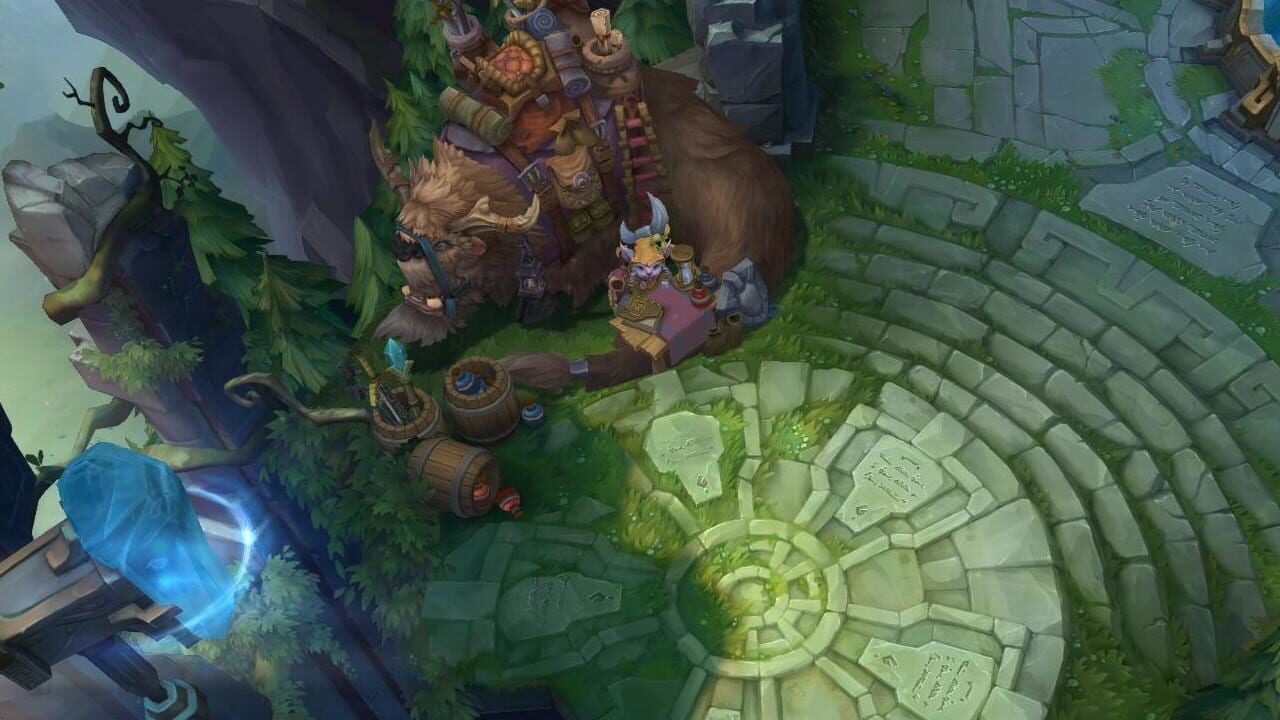
▲ Gameplay & Official Media (Source: IGDB)
The Pivot from Classic Nostalgia to Next-Decade Longevity
The timing of this announcement highlights an important strategic direction for Riot Games. Throughout 2026, the studio experimented with retrospective sentimentality through League Classic, allowing players to revisit nostalgic versions of early seasons and legacy champion kits. Yet nostalgia quickly met diminishing returns, with the developer confirming that the retro mode will conclude its run in January 2027. Looking backward failed to resolve modern gameplay fatigue, proving that preserving old mechanics cannot substitute for aggressive modern design.
Executive producer Paul Bellezza characterized New Dawn as the definitive start of a new era, framing the 2027 expansion as the foundation for the next decade of play. Rather than clinging to legacy limitations, the development team is pushing League of Legends toward modern technical parity with contemporary PC titles. A comprehensive public gameplay breakdown is set to arrive in January 2027, where Riot will detail specific numerical reworks, rune interactions, and competitive season rollout schedules before the public beta cycle commences.
📌 Frequently Asked Questions (FAQ)
Q. When is the League of Legends New Dawn update scheduled to release?
A. Riot Games announced that the full League of Legends New Dawn overhaul is scheduled for release in 2027, with a comprehensive deep-dive reveal arriving in January 2027.
Q. What major changes are included in League of Legends New Dawn?
A. The update brings an overhauled game client, a modern Wild Rift inspired champion select screen, updated Summoner Rift terrain, redesigned dragons and Baron Nashor, updated minion models, and a reworked rune system.
Q. What happened to the League Classic nostalgic game mode?
A. Riot Games confirmed that League Classic will end its current run in January 2027, demonstrating that long-term player engagement requires forward-looking systemic updates rather than sustained nostalgia.
Macro Shift: Why Engine Modernization Dictates Meta Health
New Dawn signals a vital concession that League of Legends cannot survive purely on minor balance tuning while bound to legacy code. By directly altering terrain geometry, overhaul interfaces, and rethinking runes, Riot is addressing the stagnation of mid-game rotations and vision suffocations. If the execution matches the ambition shown at Worlds, 2027 will recalibrate how players control objective tempo, rewarding proactive macro pathing over passive stat-checking.
Final Pulse Score: ⭐⭐⭐⭐☆
Related Article: League of Legends Classic Mode January Shutdown