
The Lord of the Rings: War in the North has finally resurfaced in the gaming consciousness, offering players a polished chance to experience a cooperative action RPG that was tragically buried during its original launch. Released originally in November 2011, this dark, combat-heavy adventure took a bold departure from the standard film-adaptation path, presenting a fresh narrative set in the northern theater of Middle-earth. Now, with the surprise launch of its Legacy Edition on Steam, players can finally experience the title in its best technical state, free from the shadow of its disastrously timed original launch. The game serves as a fascinating study of how release windows can make or break a title, regardless of its mechanical merits, proving that solid gameplay design can eventually find its audience even fifteen years later.
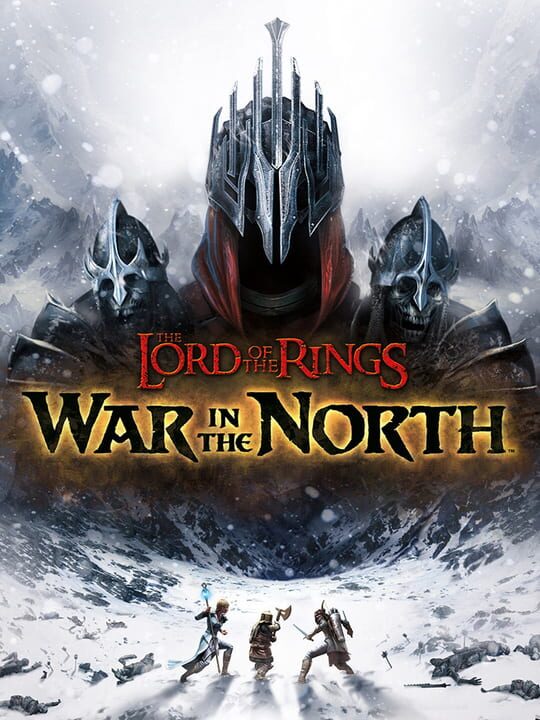
▲ Official Cover Art (Source: IGDB)
| Attribute | Detail |
| Title | The Lord of the Rings: War in the North |
| Developer | Snowblind Studios |
| Publisher | WB Games |
| Original Release Date | November 1, 2011 |
| Modern Version | Legacy Edition |
A Devastating Launch Window and the Skyrim Effect
To understand why this action RPG originally failed to capture the audience it deserved, we have to look back at the highly competitive landscape of November 2011 when The Lord of the Rings: War in the North hit shelves. The game launched on November 1, 2011, which was exactly ten days before the genre-defining launch of The Elder Scrolls 5: Skyrim. According to former design director Christian Allen, the development team actively raised concerns, arguing vociferously that the game would not get a fair shake if launched in such close proximity to Bethesda’s heavyweight RPG. This internal advice was ultimately overruled by executives, leading to a severely compromised launch that quickly buried the cooperative brawler under the massive cultural weight of a fantasy masterpiece.
This timing issue was further compounded by a lackluster marketing campaign that failed to properly communicate the game’s unique cooperative mechanics to the broader gaming community. The publisher seemingly assumed that the strength of the license alone would carry sales, or that dedicated fans of Middle-earth would seek the game out without major promotional pushes. For players, this lack of visibility meant that a highly competent action RPG with robust loot systems, deep combat, and three-player cooperative play slipped under the radar, directly impacting its player base and long-term legacy. Instead of receiving the tactical appraisal it deserved, the title became a prime example of corporate quarterly motivations overriding creative and strategic logic.
Why The Lord of the Rings: War in the North Deserves Your Attention Today
For modern gamers, the return of The Lord of the Rings: War in the North through its polished Legacy Edition is a rare opportunity to experience a unique slice of fantasy gaming history. Unlike many standard adaptations, the gameplay centers around a cohesive three-player fellowship consisting of a human ranger, an elven lore-master, and a dwarven champion, each offering vastly different combat styles and gear progression. The brutal, gory combat feels satisfyingly heavy, encouraging players to coordinate their abilities and manage resources to overcome massive troll bosses and Orc hordes in a way that feels incredibly rewarding.
The original developer, Snowblind Studios, was renowned for their action RPG expertise, and their design pedigree shines through in the game’s tight progression loops and rewarding itemization. Shortly after this game’s release, the studio was merged into Monolith Productions in 2012, where many of these talented developers went on to shape the acclaimed Middle-earth: Shadow of Mordor. Experiencing this game today allows players to appreciate the direct mechanical evolution of tactical combat and Tolkien-inspired world-building that influenced future blockbusters, making it a must-play for cooperative action enthusiasts looking for a deep, polished adventure that respects their time and budget.
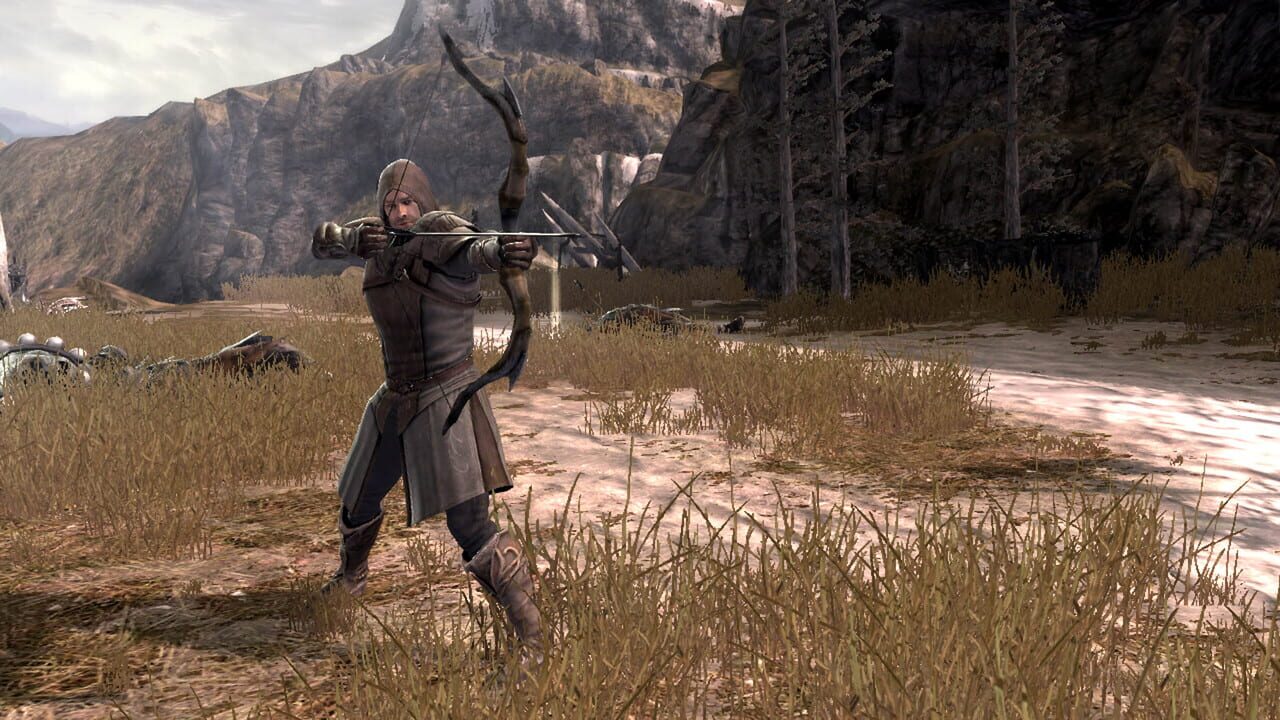
▲ Gameplay & Official Media (Source: IGDB)
The resurrection of The Lord of the Rings: War in the North proves that good gameplay survives bad timing
While corporate release schedules can easily bury a quality project under the weight of industry giants, great cooperative mechanics and solid action RPG design maintain their value across decades. The Legacy Edition provides modern players with a great value proposition, offering a cohesive, polished cooperative campaign that stands out in an era dominated by live-service fatigue. It serves as a reminder that the player experience should always dictate development decisions, rather than arbitrary launch windows.
Final Pulse Score: 8.0 / 10
Related Article: Crystal Dynamics Lord of the Rings Game Report
Related Article: Amazon Lord of the Rings MMO Cancellation Analysis