
Magic The Gathering players are buzzing with excitement after the official reveal of thirty-five new Hobbit crossover cards during a major panel at MagicCon Amsterdam on July 18, 2026. This extensive preview has whipped the tabletop community into a frenzy, showcasing a masterful blend of rich narrative design and powerful competitive mechanics. By adapting the beloved quest of Erebor into a dedicated mechanical framework, Wizards of the Coast is expanding its Universes Beyond roster, cementing Magic The Gathering as the ultimate nexus of pop culture and tactical deck building.
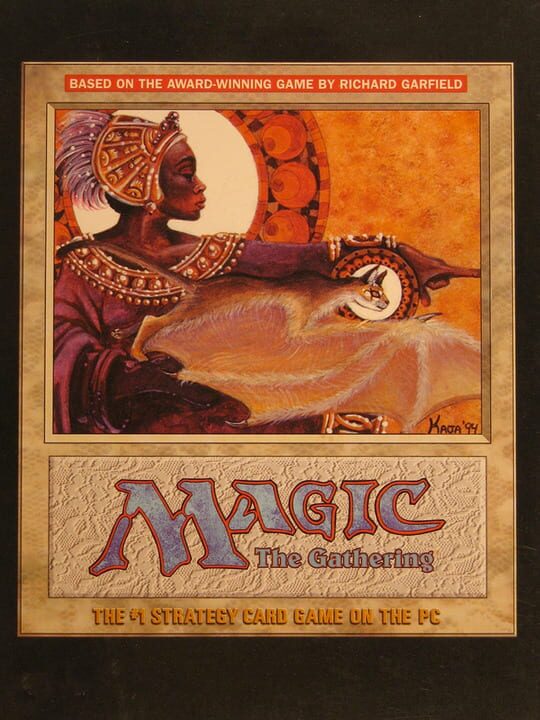
▲ Official Cover Art (Source: IGDB)
| Developer | Wizards of the Coast |
| Crossover Franchise | The Hobbit by J.R.R. Tolkien |
| Signature Mechanic | Storied |
| Reveal Venue | MagicCon Amsterdam (July 18, 2026) |
Reliving the Epic Quest of Erebor
The core philosophy behind this crossover centers on absolute narrative fidelity, adapting the specific events and characters of the classic novel rather than a generic fantasy aesthetic. The showcase features legendary figures like Thorin Oakenshield; Bard the Bowman; Thranduil, the Elvenking; and Gollum, Riddle Master, alongside spells that recreate the book’s most memorable trials. Iconic moments like Bilbo Baggins’ encounter with the Wargs are beautifully adapted into functional game pieces, ensuring that each card tells a coherent narrative during play.
Collector treatments also play a massive role in this release, boasting borderless Dwarvish language cards utilizing Tolkien-inspired script, as well as alternate Book Cover frames styled after vintage literary editions. Furthermore, two panoramic Scene Boxes were unveiled, depicting the iconic Crack the Plates dinner party at Bag End across six interlocking cards, alongside the Treasures of Smaug, which highlights the legendary hoard of Erebor with highly thematic designs.
The Mechanical Innovation of Magic The Gathering
To capture the essence of a growing fellowship, the developers introduced the signature new mechanic called Storied. Players establish an enduring story by controlling three or more artifacts, legendary permanents, or sagas, which in turn unlocks formidable additional abilities on Storied cards. This new mechanic adds a fascinating layer of strategy to Magic The Gathering, rewarding players who lean heavily into historical and legendary deck-building themes.
Thorin Oakenshield exemplifies this design, granting your artifacts and creatures ward one to protect your growing company as the adventure unfolds. Bifur, Melodic Rider, also features the Storied mechanic, doubling the triggered abilities of your Dwarves while steadily building up your board presence with +1/+1 counters, demonstrating a high-synergy potential with equipment-heavy strategies.
Gameplay Dynamics and Meta Implications
The human kingdoms of Middle-earth bring exceptional tactical depth to the table, particularly through Bard the Bowman and his sovereign form, Bard, King of Dale. The Bowman rewards players for card-draw efficiency by strengthening your units with counters and lifelink, while the King of Dale amplifies this strategy by drawing additional cards and doubling token generation. In terms of archetype support, Magic The Gathering enthusiasts of the Azorius colors will immediately recognize the competitive viability of this engine, especially when paired with the defensive utility of the Queen of Dale.
Red deck specialists also receive a powerful tool in Gandalf, Goblins’ Bane, an adventure creature whose spell Flameshape allows players to exile and bank resources for future turns. Once on the field, Gandalf rewards high-tempo spellslinging strategies by growing larger and dealing direct damage to opponents whenever a noncreature spell is cast, making it an excellent inclusion for aggressive formats. With these robust additions, the upcoming crossover promises to reshape multiple formats with its unique blend of story-driven mechanics and synergistic capabilities.
How Magic The Gathering Adapts Classic Literature Without Losing Its Competitive Edge
The mechanical execution of the Storied keyword proves that flavor-first design can coexist with competitive depth. By tying the progression of Tolkien’s characters to the control of legendary permanents and sagas, the set naturally incentivizes historically underutilized card types. This ensures that the crossover is not merely a cosmetic skin, but a deeply integrated mechanical expansion that will challenge deck builders to rethink structural synergies across multiple formats.
Final Pulse Score: 9.3 / 10
Related Article: Magic The Gathering Hobbit Art Scandal Explained
Related Article: Magic The Gathering Marvel Super Heroes Expansion Detailed