
After weathering years of developmental limbo and production shifts, the multimedia expansion of Magic The Gathering is finally showing tangible artistic form. Netflix has offered an early look at its upcoming animated venture, titled Planeswalker, slated to make its long-awaited debut in 2027. Rather than settling into a uniform aesthetic, the production team has embraced a creative philosophy that mirrors the diverse legacy of the physical card game itself. Each distinct plane visited throughout the narrative will feature its own bespoke visual language, architectural identity, and specialized filmmaking technique, treating every realm as an autonomous pocket universe with genuine cultural weight.
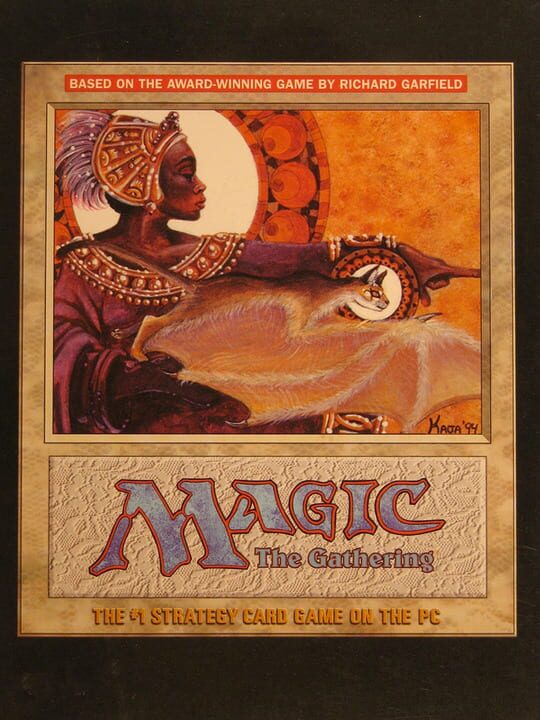
▲ Official Cover Art (Source: IGDB)
A Troubled Multiverse Odyssey Finds Its Creative North
The journey to bring the rich lore of Magic The Gathering to animation has been notoriously fraught with creative turbulence. Initially announced back in 2019 under the stewardship of Joe and Anthony Russo, the project stalled when the directors departed over creative differences. For years, silence fueled player speculation that the adaptation had met an unceremonious end, a sentiment compounded when voice talent previously attached to Gideon Jura indicated the project had collapsed. However, the production was fundamentally revitalized when showrunner Terry Matalas took the helm, resetting the timeline and setting a determined course toward the current 2027 delivery window.
By bringing veteran direction into the fold, the adaptation appears to have shifted from generic high-fantasy ambition to an authentic celebration of source material fundamentals. Matalas and his production team have explicitly zeroed in on the card game’s core mechanic: every single card represents an illustrative window into vastly disparate realms. Instead of forcing these drastically contrasting realities into a single homogenous pipeline, the show aims to honor the individual signature styles of artists who have shaped the tabletop experience for over three decades.
Visual Pluralism Translating Card Art to Screen
The defining technical breakthrough outlined for Planeswalker is its commitment to shifting animation styles across planes. Supervising director and executive producer Patrick Osborne highlighted that the multiverse cannot function visually if every world operates under identical cinematographic rules. Early asset demonstrations reveal intricate three-dimensional models, including sleek art deco vehicles directly evocative of the crime-ridden metropolis of Streets of New Capenna. This stylistic variety guarantees that transitioning from an industrial noir setting to an ancient wilderness will feel fundamentally jarring and exhilarating for viewers.
By treating each setting as an insular pocket reality with unique cultural blueprints, the production sidesteps the common pitfall of fantasy adaptations feeling visually monochromatic. The concept allows the series to directly reflect how deckbuilders experience Magic The Gathering on the table, where vibrant Eldraine fairy tales sit directly alongside the cold biomechanical horrors of Phyrexia. If executed cleanly across full episodic runtimes, this approach could set a brand-new precedent for how expansive trading card universes communicate their multiverse scope through fluid cinematic mediums.
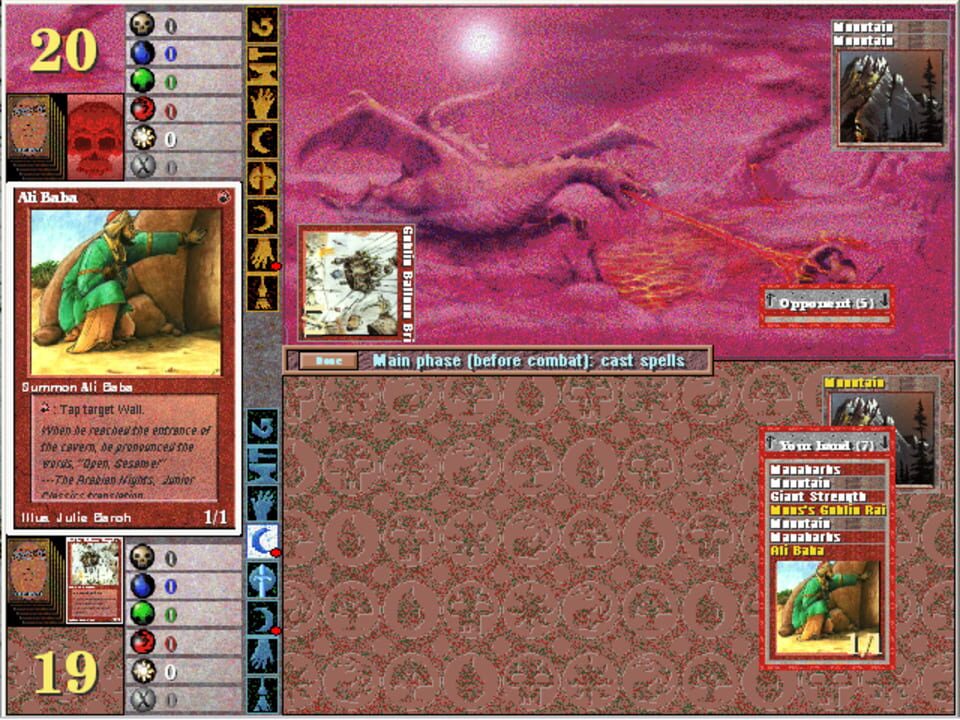
▲ Gameplay & Official Media (Source: IGDB)
Core Lore Stakes and Planeswalker Ensemble Dynamic
At the center of this narrative collision is pyromancer Chandra Nalaar and the leonin warrior Ajani Goldmane, anchoring an ensemble cast tasked with halting an existential war poised to engulf the multiverse. While multiversal catastrophes are standard fare for high-stakes card sets, the challenge for an animated series lies in grounding individual character motivations amidst sprawling planar geopolitics. Early development assets show Chandra and Ajani navigating high-octane sequences that demand both character intimacy and grand-scale spellcraft choreography.
With a parallel live-action Magic The Gathering cinematic project still quietly moving behind studio curtains, Planeswalker serves as the critical vanguard for Wizards of the Coast’s broader transmedia universe. Grounding the narrative in beloved signature characters ensures that veteran players receive meaningful canonical payoffs, while the shifting artistic palette provides immediate accessibility for newcomers unversed in thirty years of tabletop continuity. Balancing these high stakes will dictate whether this ambitious animated endeavor becomes a benchmark fantasy epic or an overextended spectacle.
📌 Frequently Asked Questions (FAQ)
Q. What is the official release window for the Netflix animated series Planeswalker?
A. The animated series is officially scheduled for release in 2027.
Q. How will the series handle the different planes of the Magic The Gathering multiverse?
A. Each plane will feature its own distinct art style, architecture, design language, and unique filmmaking techniques to reflect the individual aesthetics of the card game.
Q. Who is leading the creative direction of the Planeswalker animated series?
A. The series is headed by showrunner Terry Matalas alongside executive producer and supervising director Patrick Osborne.
Stylistic Adaptability Over Homogenization
Adapting thirty years of trading card lore requires abandoning the single-style dogma that hampers standard fantasy television. By matching animation methodology to planar identity, the production team mirrors the collectible card aesthetic where diverse artists shape a unified multiverse. If technical rendering pipelines maintain consistency across these artistic shifts, the project will successfully honor player identity while redefining fantasy transmedia storytelling.
Final Pulse Score: ⭐⭐⭐⭐☆