
When Arkane Lyon revealed their vision for an immersive third-person vampire hunter experience, fans across the globe expected the studio signature blend of vertical level design, emergent stealth, and razor-sharp supernatural combat. However, behind closed doors, Marvel’s Blade has encountered severe development turbulence stemming from protracted parent company disputes and studio closure negotiations. While front-line developers insist that actual mechanical production remains stable, the looming threat of team displacement places the ultimate gameplay polish and player experience in serious jeopardy.
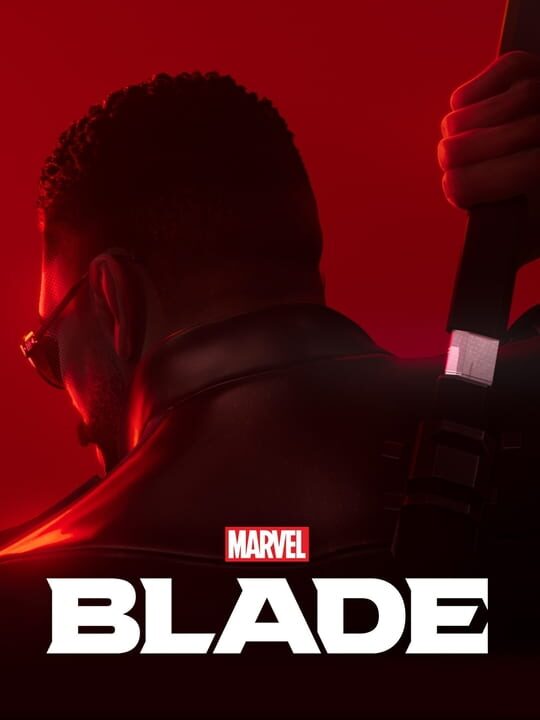
▲ Official Cover Art (Source: IGDB)
Resource Constraints Threaten Gameplay Vision and Polish
The core identity of any Arkane release hinges on intricate systems interacting without friction, demanding rigorous iteration time that artificial production barriers directly undermine. Unionized staff representing the Lyon studio recently went public via Le Syndicat des Travailleureuses du Jeu Vidéo, detailing how a crippling nineteen-month hiring freeze deliberately choked pipeline throughput and disrupted cross-discipline workflows during core development. For an ambitious project like Marvel’s Blade, starving level designers and combat animators of dedicated support inevitably impacts hit feedback, animation canceling, and multi-layered traversal systems that players expect at launch.
Rather than structural gameplay failure, developers argue that artificial roadblocks have been leveraged to manufacture delivery delays. A production team operating under threat of liquidation cannot easily iterate on combat balancing or fine-tune responsive movement mechanics. When technical directors and combat designers are forced to split attention between system physics and workplace survival, the resulting software risks shipping with compromised optimization, stuttering framerates, and uneven enemy AI behaviors that directly harm day-one user satisfaction.
▲ Gameplay & Official Media (Source: IGDB)
Core Disruption Factors Impacting the Player Experience
Players anticipating deep Parisian vampire hunting must now weigh how prolonged organizational instability alters the final commercial product. The key factors currently disrupting Arkane Lyon include:
- Severely Throttled Tooling and Pipelines: Extended staffing freezes stalled engine enhancements, restricting the scale and environmental responsiveness planned for Marvel’s Blade.
- Imminent Acquisition Deadlines: Studio leadership and staff face a strict December 13, 2026 cut-off date to establish a sustainable path forward or face abrupt project reassignments.
- Erosion of Veteran Talent: Core narrative architects and combat engineers risk departure before gameplay systems can undergo necessary balancing passes.
- Potential Multiplatform Pivots: Prospective suitor interest, including industry veterans like Ubisoft, could alter distribution targets, technical architecture, and seasonal support blueprints.
Balancing Immersive Sim Pedigree Against Rushed Timelines
Historically, the immersive sim genre forgives few compromises; it requires dense reactive spaces where player ingenuity trumps rigid scripting. If Marvel’s Blade is rushed across the finish line to fulfill contractual obligations or salvage sunk costs, the organic sandbox philosophy perfected in previous studio releases could be stripped down into generic corridor action. The French union representatives emphasize that terminating or fragmenting the studio costs more in both creative equity and raw development momentum than fully funding the remaining milestone roadmap.
Furthermore, prospective buyers looking to acquire the project will inherit a delicate technical framework requiring sustained post-launch updates and balance patches. If publisher support evaporates or transitional ownership causes internal fragmentation, players could be left with abandoned live components, sluggish patch cadences, and unresolved game-breaking exploits. Marvel’s Blade requires unwavering long-term commitment to ensure its combat feel, atmospheric Parisian world, and day-one performance match current premium industry standards.
📌 Frequently Asked Questions (FAQ)
Q. Is Marvel’s Blade still currently in active production?
A. Yes, according to the developers at Arkane Lyon, active work on Marvel’s Blade continues, although production faces serious stress due to ongoing negotiations and hiring freezes.
Q. What is the negotiation deadline for Arkane Lyon’s future?
A. The studio and its parent management have until December 13, 2026 to resolve negotiations regarding prospective buyers or severance terms.
Q. How have internal freezes impacted Marvel’s Blade development?
A. A nineteen-month hiring freeze significantly strained development pipelines, causing delays in technical iteration, combat refinement, and multi-layered level design.
Atmospheric Ambition Trapped Behind Structural Friction
Arkane Lyon remains uniquely equipped to deliver exceptional combat and environmental storytelling, yet external production freezes threaten to dilute the nuanced systems that define their legacy. As the December 13, 2026 negotiation deadline approaches, Marvel’s Blade stands at a crossroads between uncompromising mechanical craft and hurried compromise. Players should temper launch expectations until technical stability and sustained creative control are firmly guaranteed.
Final Pulse Score: ⭐⭐⭐☆☆