
Metro 2039 has been officially unveiled as a harrowing return to the franchise’s roots, ditching the sprawling landscapes of the previous title for the claustrophobic, radiation-soaked tunnels of Moscow. This isn’t just a simple sequel; it is a profound shift toward psychological horror that challenges the very sanity of its new protagonist. 4A Games is leaning heavily into the atmospheric dread that made the original titles cult classics while introducing a narrative depth that feels uncomfortably close to our modern reality.
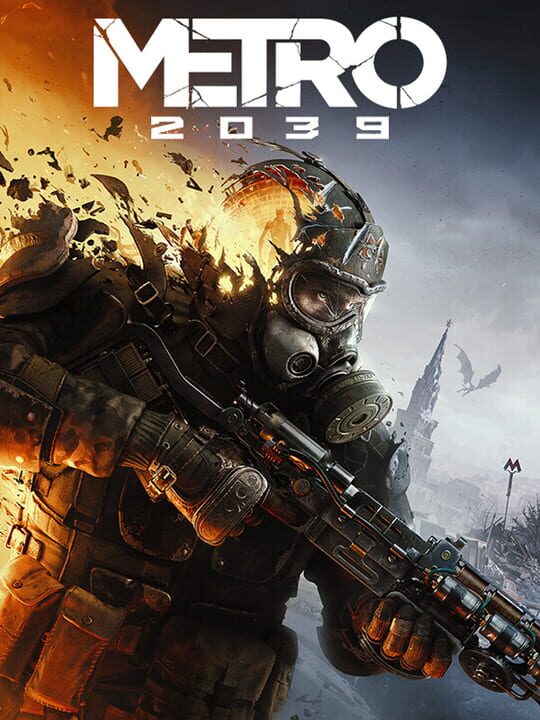
▲ Official Cover Art (Source: IGDB)
| Feature | Details |
|---|---|
| Game Title | Metro 2039 |
| Developer | 4A Games |
| Protagonist | The Stranger (Fully Voiced) |
| Release Window | Winter 2026 |
A New Voice in the Dark: The Stranger
The most immediate departure for Metro 2039 is the introduction of The Stranger, a fully voiced protagonist who replaces the traditionally silent Artyom. This shift significantly alters the player’s connection to the world, as we are no longer a blank slate but a witness to a crumbling mind. The Stranger is described as mentally troubled, suffering from grim hallucinations that blur the line between the supernatural and the trauma of survival. This narrative choice suggests that the gameplay will focus as much on internal struggles as it does on external threats.
Gameplay Mechanics and Horror Elements
Classic survival systems are making a triumphant, if terrifying, return in this installment. Players will once again have to manage the warning beeps of an air-monitoring wristwatch and the constant threat of cracked gas mask visors. The reveal trailer showcases a renewed emphasis on the toothy beasts lurking in the dark, but the real horror seems to stem from the environments themselves. Expect a high-stress resource management loop where every filter change could be your last as you navigate the ruins.
The Political Bite of Metro 2039
▲ Official Artwork (Source: IGDB)
Unlike its predecessors, Metro 2039 takes a sharp, uncompromising stance on real-world geopolitics through the lens of its fiction. The game introduces the Novoreich, a fascist regime that has unified the underground through a calculated campaign of misinformation and propaganda. This faction serves as a direct parallel to contemporary autocratic tyranny, specifically referencing the ongoing tragedies surrounding the invasion of Ukraine. 4A Games is using the medium of the FPS to explore the cost of securing a future under the weight of state-sponsored violence.
Collaborating with Dmitry Glukhovsky
The narrative weight is bolstered by the continued collaboration with Dmitry Glukhovsky, the creator of the Metro universe. Glukhovsky’s own experiences with the Russian judicial system—having been sentenced in absentia for his criticisms of the state—infuse the script with a sense of urgent authenticity. The game depicts harrowing scenes, such as the abduction of children for re-education, which mirrors documented Russian state policies. This adds a layer of intense realism that the Novoreich uses to justify its atrocities.
Pulse Gaming Perspective: Metro 2039 Redefines the Political Shooter
By moving away from the neutrality often found in triple-A shooters, 4A Games is delivering a project with actual skin in the game. The transition from the roaming exploration of Exodus back to the tight, psychological horror of the tunnels is a masterstroke for immersion. If the gunplay matches the narrative intensity, this could be the definitive survival horror experience of late 2026.
The return to Moscow feels like a homecoming, but the ruins are more dangerous and politically charged than ever before. Metro 2039 is shaping up to be more than just a shooter; it is a reflection of a studio’s reality and a bold statement on the state of the world. With its release set for this Winter, gamers should prepare for a journey that is as much about the darkness in the human soul as it is about the monsters in the dark.
Final Pulse Score: 9.2 / 10