
Mixtape has recently emerged as a vital case study for the future of digital game preservation, standing firm against the industry’s growing trend of disappearing titles. While many narrative-driven games succumb to the expiration of music rights, the team behind this neon-soaked adventure has taken an unprecedented step to ensure players never lose access to their purchase. The recent rumors suggesting the game would face a swift exit from digital storefronts have been officially debunked, marking a significant win for anyone who values long-term ownership of their digital library.

▲ Official Cover Art (Source: IGDB)
| Feature | Details |
|---|---|
| Developer | Beethoven and Dinosaur |
| Publisher | Annapurna Interactive |
| Release Date | May 2026 |
| Soundtrack Status | Perpetual Licensing (No Expiration) |
| Notable Artists | Iggy Pop, DEVO, Stan Bush |
The Battle for Digital Longevity in Mixtape
The core of the recent controversy surrounding Mixtape stemmed from a misunderstanding of how licensed music impacts a game’s lifespan. Typically, when a developer features iconic tracks, they sign a timed agreement that lasts five to ten years; once that clock runs out, the game is pulled from Steam, PlayStation, and Xbox stores to avoid legal repercussions. However, creative director Johnny Galvatron has confirmed that Beethoven and Dinosaur paid a premium for perpetual licenses, effectively future-proofing the experience for the next generation of gamers.
This proactive approach by the publisher, Annapurna Interactive, serves as a direct response to the alarming volatility of the digital marketplace. We have already witnessed the disappearance of Star Trek: Resurgence and nearly thirty Disney-themed titles since the start of this year alone. By securing the rights to tracks like Iggy Pop’s Candy and DEVO’s That’s Good indefinitely, the developers have ensured that the emotional resonance of the gameplay remains intact without the looming threat of a 404 error on its store page.
Why Music Licensing Usually Kills Classics and How Mixtape Escapes the Trap
A recent comprehensive study indicates that a staggering 87 percent of video games are effectively unplayable without resorting to secondary markets or piracy. For a game like Mixtape, which leans heavily on its curated 1980s and 90s aesthetic, the music is not just background noise; it is the mechanical heartbeat of the narrative. Losing those licenses would be equivalent to removing the dialogue from a traditional RPG, rendering the artistic vision incomplete and hollow.
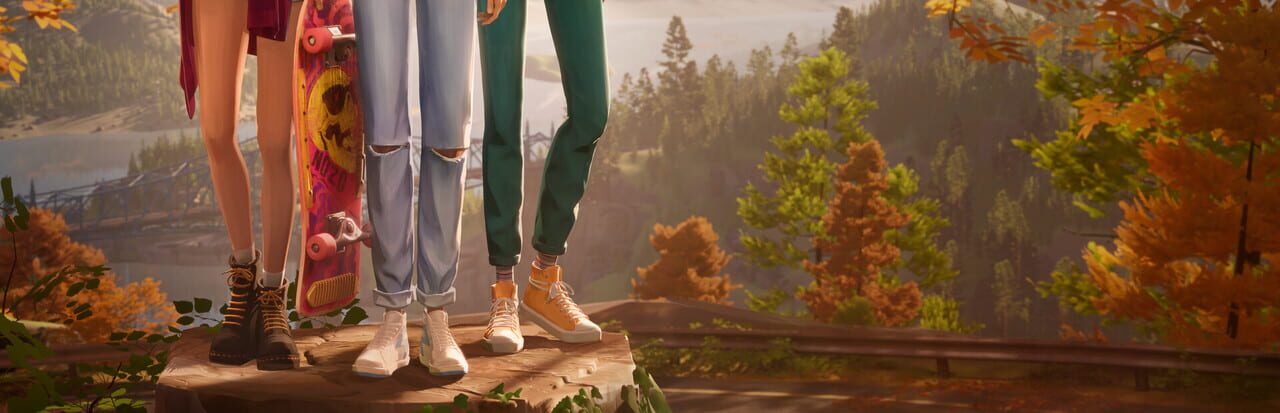
▲ Official Artwork (Source: IGDB)
From a player’s perspective, this commitment to perpetual licensing is a massive relief for the wallet. There is nothing more frustrating than wanting to revisit a favorite title only to find it has been vaporized due to a legal dispute over a three-minute pop song. By addressing these concerns early in the release cycle of May 2026, the creators have silenced the skeptics and set a high bar for other indie studios looking to leverage licensed media without sacrificing the game’s ultimate legacy.
A Curated Soundtrack that Defines the User Experience
The gameplay in Mixtape is often described as a heartwarming, beautiful journey that prioritizes atmosphere over complex inputs. While critics have noted that the game occasionally feels light on player agency, its strength lies in the synergy between the visuals and the legendary soundtrack. Whether it is the high-energy pulse of DEVO or the anthemic qualities of Stan Bush, each track has been meticulously integrated into the narrative flow. Knowing that these specific auditory triggers will remain in the game forever allows fans to invest emotionally without fear of the ‘Delisting Demon’ that has haunted titles like the original Alan Wake or the Forza Horizon series.
The industry is currently at a crossroads where digital ownership feels more like a long-term rental than a permanent acquisition. The decision to fight against this tide by paying for permanent music rights shows a deep respect for the community. It guarantees that the 74% review score the game earned reflects a permanent product, not a temporary spectacle that will eventually be stripped of its most evocative elements. As we move deeper into 2026, this model of ‘pay more upfront for perpetual access’ is exactly what the hardcore gaming community should be demanding from every major release.
Mixtape Just Proved That Digital Preservation is a Choice, Not an Accident
The senior journalist’s take is clear: by paying for perpetual licenses, the developers have removed the largest single point of failure for modern adventure games. This isn’t just about music; it’s about the sanctity of the player’s library and ensuring that art remains accessible. We need more studios to follow this ‘Beethoven and Dinosaur’ blueprint to stop the slow death of gaming history.
Final Pulse Score: 7.4 / 10