
Modern Warfare 4 is poised to redefine the extraction shooter landscape with a comprehensive reimagining of its DMZ mode, elevating it from a secondary experimental feature to a core gameplay pillar. By moving away from the half-baked mechanics of previous iterations, Infinity Ward is leaning into a more robust, narrative-driven experience that directly competes with the heavy hitters of the genre. This evolution suggests a commitment to long-term engagement, focusing on deep systems that reward tactical patience and squad coordination over the typical fast-paced arcade shooting the franchise is known for.

▲ Official Cover Art (Source: IGDB)
| Feature | Details |
|---|---|
| Developer | Infinity Ward |
| Release Date | October 23, 2026 |
| Platforms | Nintendo Switch 2, PlayStation 5, Windows PC, Xbox Series X |
| Primary Map | Hajin (South Korea Exclusion Zone) |
| Gameplay Category | Tactical Extraction Shooter |
The Narrative Shift and Environmental Storytelling in Modern Warfare 4
One of the most significant changes coming to Modern Warfare 4 is the integration of DMZ into a cohesive narrative universe. The primary setting is Hajin, a massive exclusion zone located in South Korea following a nuclear reactor meltdown, which also encompasses sectors in Russia and North Korea. This setting is not just a backdrop; it functions as a chronological continuation of the single-player campaign. This design choice ensures that every action within the DMZ mode contributes to the broader lore of the series, making the environment itself a central character in the unfolding mystery.
Unlike traditional extraction shooters that rely heavily on text-based lore delivered through NPC menus, Modern Warfare 4 emphasizes discovery and exploration. Players will find environmental clues and audio logs that unravel the secrets of the Hajin disaster in real-time. By prioritizing “storytelling through the environment,” the developers are attempting to solve the narrative stagnation often found in the genre, providing players with a tangible reason to revisit specific sectors of the map beyond just gathering high-value loot.
The mission structure has been expanded into three distinct categories: story missions, dynamic operations, and free roam. Story missions are high-stakes objectives, such as infiltrating an active military base or abducting injured high-value targets. To increase tension, the matchmaking system will prioritize grouping squads that are on the same mission. This creates a fascinating social dynamic where players must decide whether to cooperate to achieve a mutual goal or eliminate the competition to claim the rewards for themselves.
Advanced Combat Mechanics and Systems in Modern Warfare 4
Modern Warfare 4 introduces several gameplay innovations that modernize the tactical experience. A standout feature is the Grand Theft Auto-inspired wanted level system. As players engage in loud, aggressive combat against PvE forces like vehicle convoys and elite grunts, their star level increases, leading to more aggressive pursuit from AI enemies. This system encourages a stealthier approach, supported by new UI indicators that warn players when they are about to be spotted. Successfully navigating a match without raising your wanted level becomes a secondary objective for squads looking to exfiltrate with their gear intact.
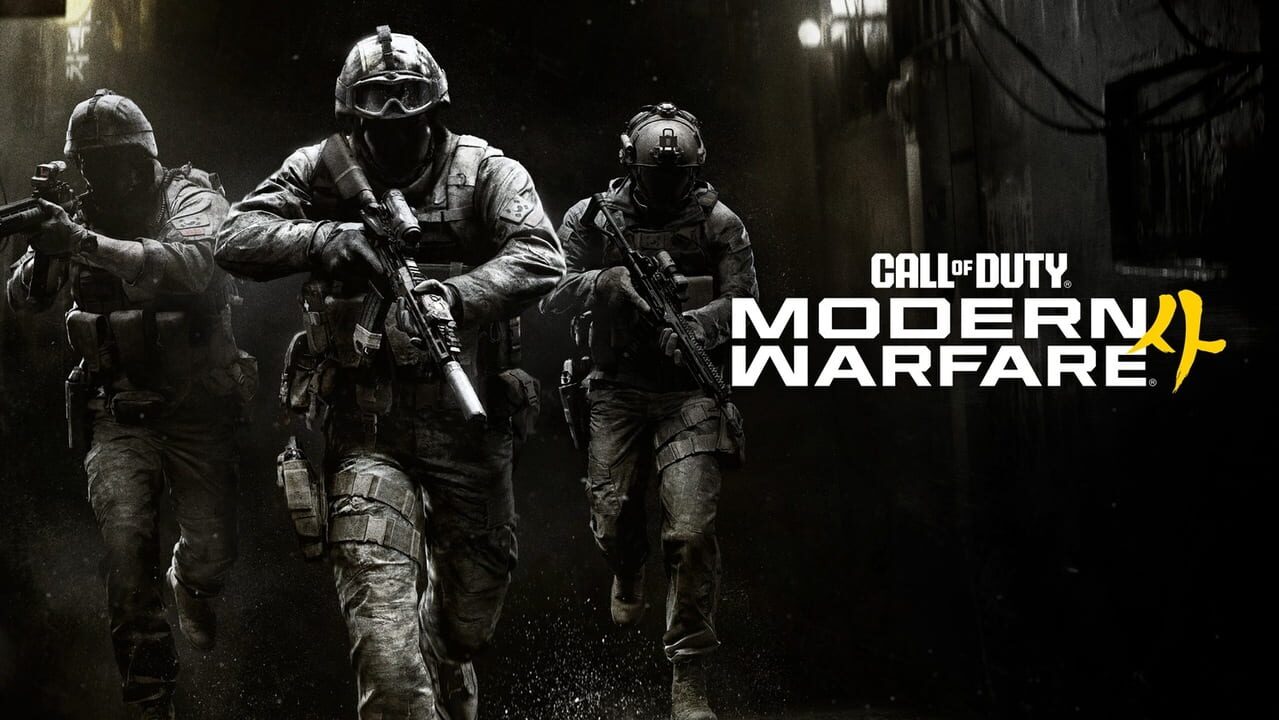
▲ Official Artwork (Source: IGDB)
The weather system in Hajin further complicates tactical planning. Matches can transition from light rain to torrential snow, with the intensity increasing as the timer counts down. These effects are not merely cosmetic; they impact visibility and audio cues, forcing players to adapt their movement and engagement strategies on the fly. This dynamic atmosphere, combined with the randomized steps required for dynamic operations, ensures that no two deployments feel identical, addressing the repetition issues that plagued earlier versions of the mode.
Character progression has also seen a significant overhaul through the introduction of operator trait trees. Each operator can be customized with specific skill sets, allowing players to build specialists for PvP combat, stealthy PvE infiltration, or high-damage assaults. The inclusion of a “MIA” mechanic adds a layer of risk management; if a soldier falls in battle, players can spend in-game currency to rescue them, preserving their earned trait points and experience. This system bridges the gap between the punishing nature of extraction games and the progression-heavy expectations of the modern player base.
Finally, the social and economic aspects of the game are anchored by the forward operating base and a new bounty system. The base acts as a hub where players can use a 3D printer to craft equipment from looted materials. Meanwhile, the bounty system tracks high-performance PvP players, assigning them a “wanted” status. Other players can pay a fee to reveal the locations of these infamous hunters, leading to high-stakes showdowns. This creates a self-sustaining ecosystem where the most skilled players become the most valuable targets on the map.
Modern Warfare 4 leverages tactical extraction to bridge the gap between narrative depth and hardcore survival.
The shift toward a structured narrative and randomized dynamic operations proves that Infinity Ward is moving beyond the simple ‘loot and scoot’ formula. By integrating a wanted level system and operator-specific trait trees, the game creates a high-stakes environment where stealth is just as viable as aggression. This reimagining positions DMZ as a serious contender to established genre leaders, offering a level of polish and mechanical synergy rarely seen in the extraction space.
Related Article: Modern Warfare 4 Reveal Details
Related Article: Modern Warfare 4 Korea DMZ Reveal
Final Pulse Score: 9.2 / 10