
The Elder Scrolls III: Morrowind has taken a massive leap in accessibility as a talented modder has successfully brought the legendary RPG directly to web browsers. Released by developer Virtastic as a 1.0 version on GitHub, the project known as OpenMW-Web allows players to experience the unforgiving island of Vvardenfell without the need for a traditional desktop installation. Utilizing the robust foundation of the open-source OpenMW engine, this web-based port represents a monumental milestone for retro gaming preservation and modern engine versatility.
▲ Official Cover Art (Source: IGDB)
| Project Name | OpenMW-Web |
| Developer | Virtastic |
| Engine Base | OpenMW (Open-source) |
| Target Platforms | Web Browsers (PC / Mobile) |
| Required Files | Local PC game installation files |
| Compatibility | Supports user-installed mods |
How OpenMW Web Translates The Elder Scrolls III: Morrowind Into A Web Browser
The technical achievement of running The Elder Scrolls III: Morrowind in a browser is rooted in the capabilities of OpenMW-Web. For players curious about the project, the developer has provided a playable web demo that drops users into a small town populated by NPCs, monsters, and guards. While the demo serves as an impressive proof of concept, unlocking the full game requires players to point the browser to their own locally installed PC game files. This unique approach bypasses significant legal hurdles by ensuring that copyright-protected assets are never hosted or distributed online by the developer.
By loading original assets directly from a local drive, players can experience the complete campaign of The Elder Scrolls III: Morrowind with impressive stability. Furthermore, OpenMW-Web maintains compatibility with existing user mods, allowing for a highly customized RPG experience right within a web browser. Players can expect some minor bugs and hiccups during play, which is almost a rite of passage for any legacy Bethesda title, but the core mechanics remain remarkably intact and playable.
The Broader Impact On The Elder Scrolls III: Morrowind Community
The release of OpenMW-Web is just the latest in a series of creative endeavors from a community that refuses to let The Elder Scrolls III: Morrowind fade into obscurity. Recently, the community witnessed other impressive technical feats, including a dual-screen mod designed specifically for handheld gaming systems like the AYN Thor, which perfectly mimics a retro dual-screen console layout. Other popular modifications have transformed the game’s interface to match classic MMORPGs like Final Fantasy XI, showing just how malleable the 2002 classic remains.
For players who prefer a modern visual upgrade, the ambitious Skywind project continues to make steady progress, rebuilding the classic RPG inside the engine of The Elder Scrolls V: Skyrim. Following the official release of the Oblivion remaster last year in 2025, anticipation remains high that Bethesda might eventually give the third entry an official modern facelift. Until then, these community-driven technical achievements ensure that Vvardenfell remains accessible in some of the most unconventional and creative ways possible.
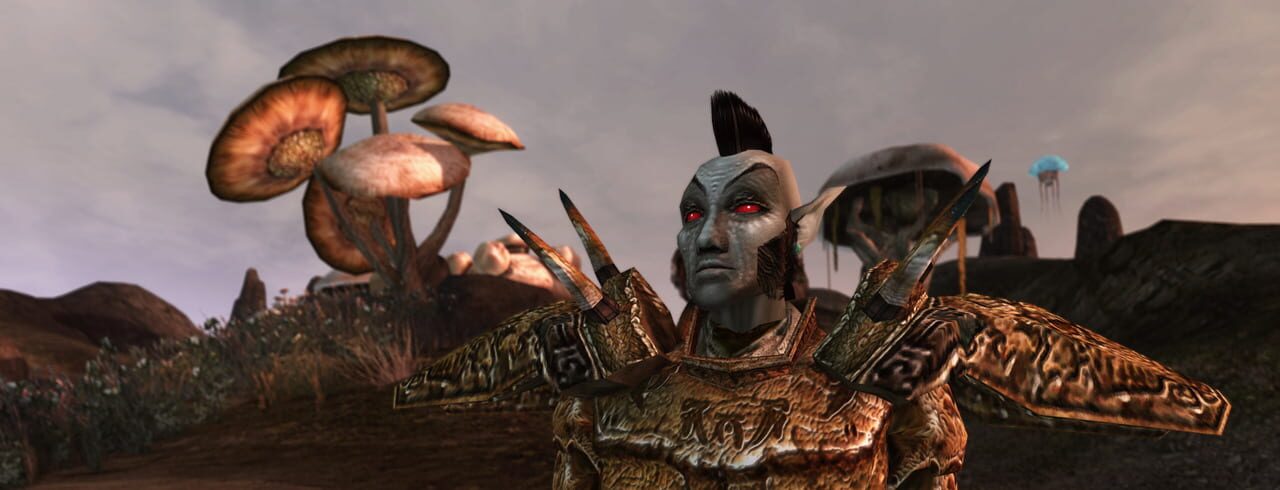
▲ Gameplay & Official Media (Source: IGDB)
Technical Challenges And Legal Workarounds
While playing The Elder Scrolls III: Morrowind in a browser sounds incredibly convenient, the reliance on local files means it is not a pure cloud gaming solution. Players must still own the PC version to enjoy the full experience, which limits instant accessibility for complete newcomers. However, this method is highly secure and legally sound, protecting the open-source project from potential copyright strikes. For veteran fans with game files ready, it provides a fascinating new way to jump into the classic RPG during quick breaks without launching heavy applications.
OpenMW-Web proves that The Elder Scrolls III: Morrowind is no longer bound by traditional platform limits
By leveraging WebAssembly and the robust open-source OpenMW engine, Virtastic has demonstrated that complex, open-world 3D RPGs of the early 2000s can comfortably live on the web. This development sets a massive precedent for retro game preservation, showing that local asset loading can legally bridge the gap between classic desktop software and universal web browsers. It changes how we think about legacy game archives and paves the way for other classic RPG engines to make the transition to modern web frameworks.
Final Pulse Score: 8.5 / 10