
A Nightmare on Elm Street is officially preparing to terrify a new generation of horror enthusiasts as Paramount secures the rights to adapt Wes Craven’s original masterpiece. This major cinematic resurrection will be handled by Paramount Primal, a specialized genre label led by J.D. Lifshitz and Raphael Margules, the creative minds celebrated for pushing modern horror boundaries with films like Barbarian. With members of the Craven estate actively producing, the return of Freddy Krueger represents a monumental shift that will inevitably ripple across the interactive entertainment landscape, revitalizing the asymmetrical survival horror genre that has long craved his full-fledged return.
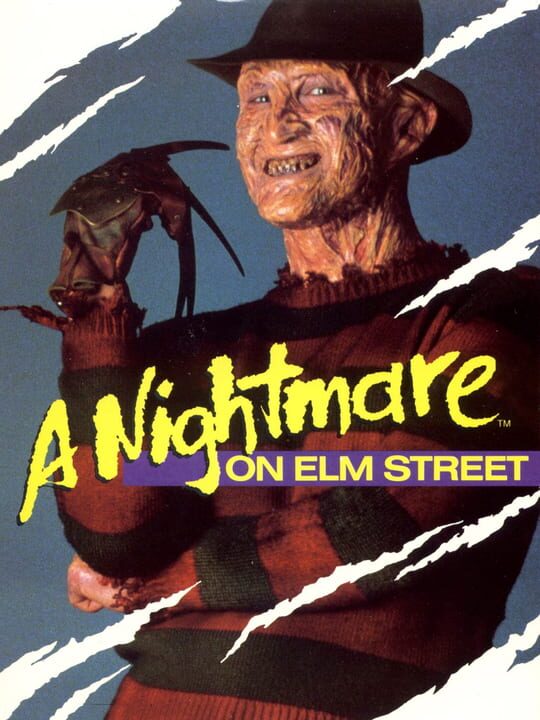
▲ Official Cover Art (Source: IGDB)
| Attribute | Detail |
| Project Type | Cinematic Reboot & Franchise Revival |
| Production Studio | Paramount Primal |
| Key Producers | Iya Labunka, Jonathan Craven, Marc Toberoff |
| Creative Lead | J.D. Lifshitz and Raphael Margules |
| IP Origin | Original Wes Craven 1984 Script |
The Sleep Deprivation Meta and Interactive Horror Mechanics
The return of the A Nightmare on Elm Street franchise offers game developers a perfect blueprint for refreshing stale asymmetrical multiplayer mechanics. Modern horror games rely heavily on physical pursuit, but Freddy Krueger’s lore introduces the terrifying concept of sleep deprivation and dream-state vulnerability. Incorporating these elements into modern survival gameplay would force players to manage an active fatigue meter, balancing the safety of the waking world against the inevitable, hallucination-filled nightmare realm where Freddy holds absolute, reality-bending power.
Integrating a revamped dream demon into current-generation game engines would allow for unprecedented environmental manipulation. Imagine playing an asymmetrical match where the map dynamically warps from a standard suburban home into a decaying boiler room based on your character’s level of exhaustion. This dual-reality mechanic would shake up the competitive meta, requiring survivors to actively look for adrenaline shots or environmental wake-up triggers, transforming standard hide-and-seek gameplay into a psychological battle for cognitive control.
Reclaiming the Throne in the Asymmetrical Horror Arena
For more than a decade, fans of A Nightmare on Elm Street have watched other legendary horror icons dominate the gaming space with standalone releases and high-profile crossovers. While licensing hurdles previously kept Freddy Krueger in a state of suspended animation, this major studio reboot is poised to unlock the intellectual property for ambitious new gaming adaptations. The involvement of Wes Craven’s estate, including his widow Iya Labunka and son Jonathan Craven, ensures that any future virtual adaptation will remain highly faithful to the terrifying, surrealist roots of the original 1984 vision.
With a rival 80s icon also undergoing a modern revival, the stage is set for a massive box-office and digital showdown. For gamers, this competitive resurgence is incredibly exciting, as it increases the likelihood of a high-budget, dedicated multiplayer experience. A fresh gaming adaptation utilizing the reboot’s updated aesthetics could deliver a polished, terrifying experience that focuses heavily on psychological dread, surreal physics, and creative environmental hazards rather than simple slasher tropes.
A Nightmare on Elm Street reboot provides the ultimate catalyst for psychological horror mechanics
The revival of Wes Craven’s brilliant dream-demon concept is exactly what the interactive horror genre needs to break free from repetitive loop-and-chase gameplay loops. By shifting the mechanical focus from physical evasion to cognitive stamina and dream-state navigation, a modern virtual adaptation can redefine survivor vulnerabilities. This project represents more than a cinematic comeback; it is a golden opportunity to establish a highly strategic, mind-bending multiplayer ecosystem.
Final Pulse Score: 9.0 / 10