
No Rest for the Wicked is the latest high-profile title to demonstrate the widening technical gap in the current console ecosystem, as its Xbox version faces an indefinite delay. While the highly anticipated action RPG has been refining its visceral combat and dark fantasy world in Steam Early Access since 2024, the transition to a full 1.0 release has hit a significant snag. This roadblock is not a result of platform exclusivity or marketing agreements, but rather a direct consequence of the hardware constraints presented by the Xbox Series S, forcing Moon Studios to prioritize other platforms for the October 2026 launch window.
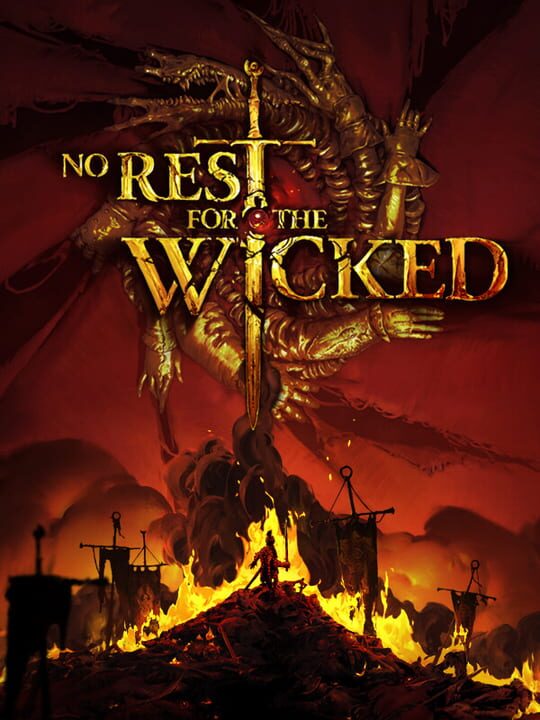
▲ Official Cover Art (Source: IGDB)
| Feature | Details |
|---|---|
| Game Title | No Rest for the Wicked |
| Developer | Moon Studios |
| PS5 1.0 Release Date | October 2026 |
| Xbox Release Status | Delayed (To Be Confirmed) |
| Target Platforms | PC, PS5, Xbox Series X/S, Switch 2 |
The Parity Problem: Why No Rest for the Wicked is Skipping Xbox in October
During the recent PlayStation State of Play, the gaming world received confirmation that No Rest for the Wicked would officially graduate to its 1.0 version on PlayStation 5 this October. This milestone marks a celebration of the game’s journey from Early Access to a complete experience, yet the absence of a synchronized Xbox launch has left many in the community frustrated. Studio founder Thomas Mahler has been transparent about the situation, explicitly citing the Xbox Series S as the primary culprit for the development friction. The requirement to maintain feature parity across both the Series X and the weaker Series S has proven to be a monumental task for the team.
Mahler’s recent interactions with the community have shed light on just how difficult the optimization process has become. In candid discussions, the director noted that the Series S is making the porting process “rough,” necessitating a period of intense optimization before the game can meet the studio’s quality standards on Microsoft hardware. The developer even went as far as comparing the technical specifications of the Series S to modern mobile hardware, suggesting that the memory and processing overhead required for the game’s complex physics and lighting systems are pushing the entry-level console to its absolute limits.
Moon Studios and the Growing Industry Trend of Hardware Friction
▲ Official Artwork (Source: IGDB)
The situation surrounding No Rest for the Wicked is not an isolated incident but rather part of a recurring pattern that has defined this console generation. We have previously seen major titles like Black Myth: Wukong suffer year-long delays on Xbox specifically because of memory management issues on the Series S. In that instance, the 10 GB of shared memory was cited as a major bottleneck for the dense environments and high-fidelity assets. Similarly, the award-winning Baldur’s Gate 3 required direct intervention from Microsoft engineers to resolve split-screen performance issues that the Series S simply couldn’t handle out of the box.
The Future of Multi-Platform Releases and Project Helix
As No Rest for the Wicked continues its push toward the October 1.0 launch on PS5, the broader implications for the Xbox ecosystem are impossible to ignore. Microsoft’s mandate that games must function with full feature parity across both the Series X and Series S is increasingly viewed by developers as a tether that slows down the release cycle. This friction is likely a driving force behind the rumors surrounding Project Helix, the next iteration of Xbox hardware. Under the leadership of CEO Asha Sharma, the company is facing immense pressure to decide whether to continue the dual-SKU strategy or return to a single, high-performance hardware target that doesn’t require such exhaustive, post-launch optimization.
For players currently invested in the Xbox ecosystem, the wait for No Rest for the Wicked serves as a sobering reminder of the costs of accessibility. While the Series S opened the door for many to enter the current generation at a lower price point, it is now resulting in a tangible delay of the most anticipated RPGs of 2026. Moon Studios has committed to shipping the game on Xbox only when it is “optimized like crazy,” a process that will also benefit the version slated for the Switch 2. Until then, the dark world of Isola Sacra remains a playground exclusive to PC and PlayStation users this fall.
No Rest for the Wicked underscores the widening rift between multi-platform ambitions and the Xbox Series S hardware ceiling.
The struggle to maintain feature parity on the Series S has transformed from a minor technical hurdle into a significant launch-day liability for ambitious action RPGs. As developers like Moon Studios are forced to prioritize intensive optimization for lower-spec hardware, the Xbox player base continues to pay the price through staggered release dates. This ongoing optimization crisis effectively forces a choice between platform accessibility and the immediate delivery of high-fidelity gaming experiences.
Related Article: Project Helix: The Xbox Memory Crisis Explained
Related Article: Xbox Exclusive Games Strategy Update
Final Pulse Score: 8.5 / 10