
Onimusha Way of the Sword arrives on September 3, 2026, giving action enthusiasts the ultimate excuse to immerse themselves in the rich world of classic samurai cinema. Stepping into the digital sandals of legendary master swordsman Miyamoto Musashi requires more than just sharp reflexes on a controller. Understanding the dramatic tension, intricate parry timing, and philosophical weight of Japanese chanbara storytelling elevates the entire gameplay experience. Before diving into Capcom latest supernatural epic, exploring the foundational films that shaped the aesthetic of the franchise provides critical context for every strike, stance, and demon encounter.
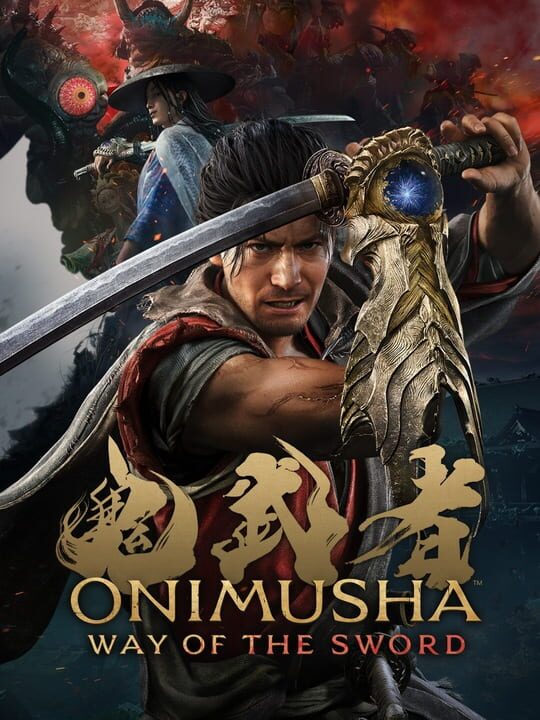
▲ Official Cover Art (Source: IGDB)
| Lead Character Inspiration | Miyamoto Musashi portrayed via Toshiro Mifune Likeness |
| Cinematic Archetype | Chanbara Swordsmanship and Dark Supernatural Fantasy |
| Primary Film Influences | Yojimbo, Sword of the Stranger, Ninja Scroll |
| Combat Meta Focus | High Velocity Parrying and Critical Counter Windows |
| Official Launch Date | September 3, 2026 |
Mastering the Blade Through Seminal Chanbara and Anime Classics
The combat architecture of Onimusha Way of the Sword relies heavily on precision dueling where split second timing separates victory from immediate defeat. To truly appreciate the blistering speed of sword exchanges, the 2007 animated masterpiece Sword of the Stranger stands as mandatory viewing. Produced by Studio Bones, the film features some of the most mechanically fluid and grounded sword choreography ever put to screen. Watching the nameless ronin deflect lethal thrusts mirrors the exact parrying discipline players need when confronting high tier demonic adversaries.
Equally essential to the visual identity of Onimusha Way of the Sword is Akira Kurosawa legendary 1961 classic Yojimbo. Toshiro Mifune portrayal of the cunning wanderer Sanjuro provides the precise physical template for Capcom protagonist model. Mifune shoulder rolls, calculated smirks, and sudden bursts of lethal violence establish the subtle swagger that defines Musashi digital presence. Analyzing his tactical positioning offers great insight into how Capcom frames spacing and posture during intense close quarters encounters.
Dark Nihilism and Supernatural Demonic Warfare
Not all samurai tales follow noble paths of honor, and The Sword of Doom from 1966 presents the chilling counterpoint to traditional bushido. The psychopathic swordsman Ryunosuke embodies ruthless precision, fighting with a detached, cold fury that mirrors the sinister aura of Musashi infamous rival Sasaki Ganryu. The stark cinematography and overwhelming tension illustrate the psychological toll of endless bloodshed, framing the darker narrative tones present throughout Capcom reimagined feudal world.

▲ Gameplay & Official Media (Source: IGDB)
When it comes to blending historical warfare with grotesque dark fantasy, Yoshiaki Kawajiri iconic 1993 film Ninja Scroll serves as the spiritual blueprint for the entire demon gauntlet experience. The film pitiless battles against monstrous adversaries sporting supernatural mutations directly parallel the boss design in Onimusha Way of the Sword. With a theatrical 4K restoration scheduled for October 2026, revisiting this dark fantasy milestone perfectly primes players for demonic soul harvesting and magical transformations.
Finally, exploring Hiroshi Inagaki acclaimed Samurai Trilogy from the mid 1950s provides crucial historical grounding for Musashi personal journey. Spanning his transformation from an undisciplined brawler to an enlightened warrior, these films lay the foundational rivalry leading toward the climatic duel at Ganryu Island. Approaching Capcom upcoming release with this cinematic library ensures players appreciate every narrative nuance and combat flourish built into the experience.
Cinematic literacy elevates modern hack and slash action mechanics into an art form.
Capcom deliberate reliance on Toshiro Mifune legacy proves that character presence relies heavily on physical posture and tactical stillness. Mastering Onimusha Way of the Sword requires players to internalize cinematic pacing rather than simply button mashing. Understanding the narrative weight of historical duels deepens the satisfaction of landing perfectly timed counter attacks.
Final Pulse Score: 9.2 / 10
Related Article: Onimusha Way of the Sword Preview Analysis
Related Article: Onimusha Way of the Sword Combat Mocap Breakdown