
The Persona franchise is officially making its way to the silver screen with a live-action television adaptation currently in active development at Netflix. This massive cross-media expansion marks a historic milestone for Sega and Atlus as they bring their signature urban fantasy RPG series to a massive global audience. The project has assembled a formidable production lineup, securing Christopher Monfette as both writer and showrunner. This development signals a highly ambitious effort to translate the dense, stylish world of high school life and supernatural dungeon crawling into a prestige television drama.
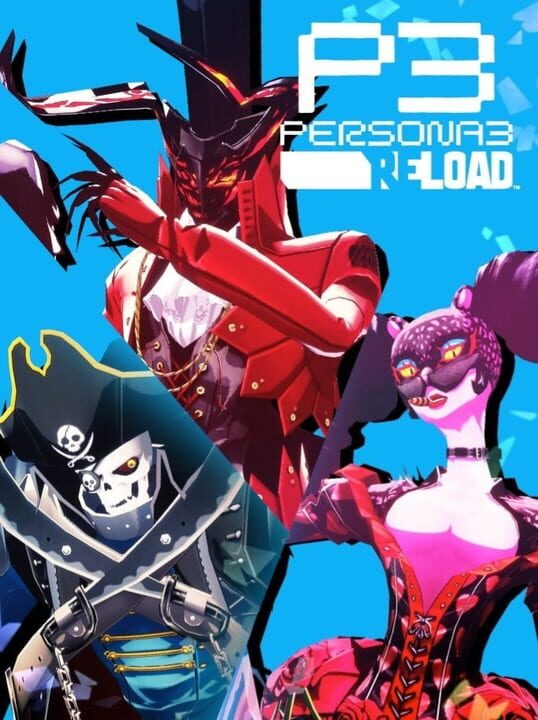
▲ Official Cover Art (Source: IGDB)
| Attribute | Detail |
| Showrunner & Writer | Christopher Monfette |
| Executive Producers | Shawn Levy, Robert Atwood, Dmitri M. Johnson, Michael Lawrence Goldberg, Timothy I. Stevenson, Toru Nakahara |
| Production Studios | 21 Laps, Story Kitchen, Sega |
| Current Project Status | Early Development |
| Source Material | Sega and Atlus RPG Franchise |
Translating the Iconic Urban Fantasy Worldview
Adapting a narrative as complex as the Persona series requires a deep understanding of what makes the games resonate with millions of players worldwide. The franchise is renowned for its dualistic structure, seamlessly blending the mundane realities of modern Japanese school life with highly stylized, psychological dungeon-crawling. Capturing this specific atmosphere on screen means balancing intense supernatural action with intimate character relationships. The production team must carefully navigate how they portray the cognitive realms without losing the grounded, human core of the high school cast.
With Story Kitchen and 21 Laps leading the charge, the series has a strong pedigree of handling complex genre material. Story Kitchen has a proven track record with Sega properties, having successfully supported the cinematic adaptations that proved video game films could be massive global hits. Meanwhile, the involvement of 21 Laps brings the executive expertise behind iconic supernatural dramas, ensuring the show will have the high production values needed to render complex psychological landscapes and stylish combat sequences effectively.
How the Persona Adaptation Can Bridge Gameplay and Narrative
One of the biggest hurdles in adapting the Persona games is translating the signature social link mechanics into a linear television format. In the games, players spend half their time building relationships with classmates and allies, which directly empowers their combat capabilities in the supernatural world. For the television series to capture the authentic feel of the games, the writing must treat these quiet, slice-of-life interactions with the same level of importance as the action-packed battles. This mechanic of social bonding as a source of strength is the true heart of the franchise.
The vast catalog of games, stretching from the classic entries to the massive success of the fifth installment and its royal expansion, offers an embarrassment of riches for the creative team. Whether the showrunners choose to adapt a specific story like the Phantom Thieves or craft an entirely original narrative within the universe, the core thematic focus must remain on overcoming personal trauma and societal pressure. This thematic resonance is exactly what has kept fans invested in the series for three decades, and it remains the perfect foundation for a compelling character-driven drama.
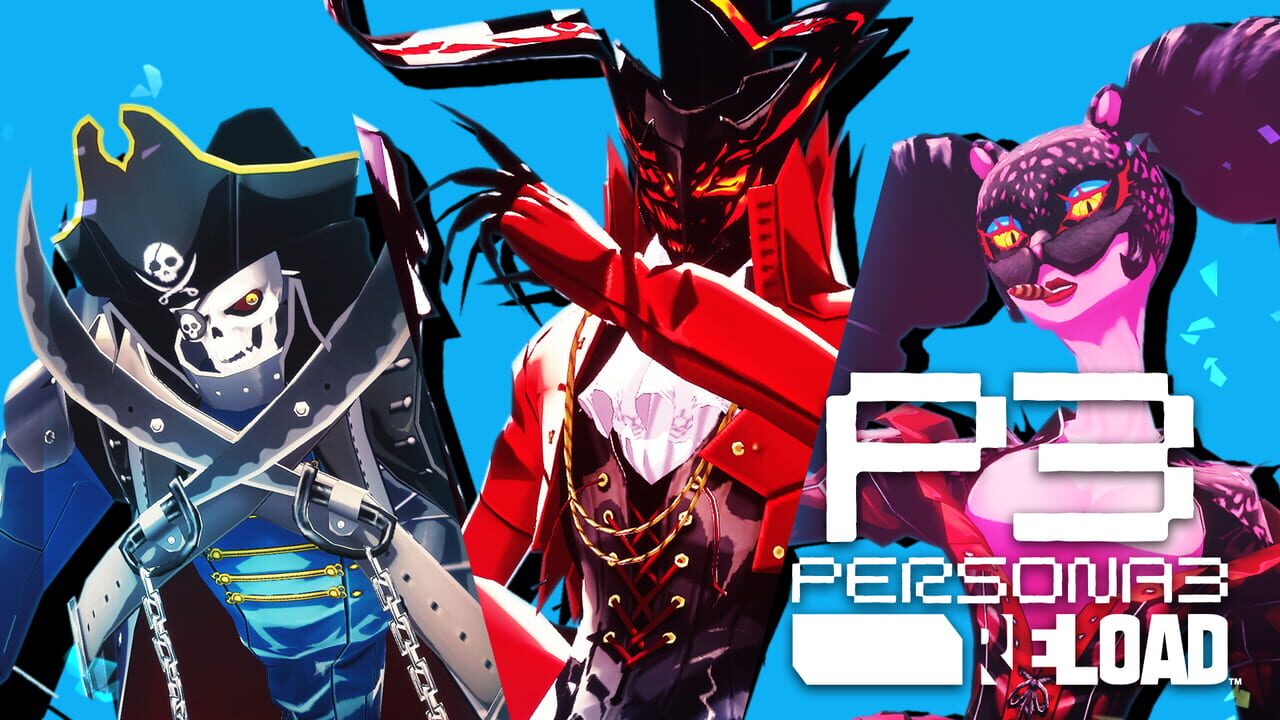
▲ Official Artwork (Source: IGDB)
Expectations for the Next Phase of Sega Adaptations
The timing of this announcement aligns perfectly with an incredibly busy period for fans of the franchise. With the recent high-profile reveal of the next major mainline entry at the Xbox Games Showcase and the highly anticipated return of the classic fourth entry scheduled for early next year, the brand is experiencing unprecedented momentum. Bringing this intellectual property to a mainstream television platform is a logical step in Sega’s broader strategy to expand their most beloved gaming franchises into global entertainment powerhouses.
While details regarding the cast, specific plot points, and release windows for this Persona adaptation remain tightly under wraps, the potential for this series is limitless. The franchise’s unique blend of jazz-infused style, heavy psychological themes, and relatable youth struggles makes it a perfect fit for a prestige television format. If the production can capture even a fraction of the style and emotional depth found in the games, viewers are in for a truly spectacular television event.
The critical challenge for the Persona live action series lies in its delicate thematic balance
For Netflix to succeed where other gaming adaptations have stumbled, the show must resist the urge to prioritize flashy CGI battles over the quiet, mundane character development that defines the franchise. The social simulator elements of the games are not filler; they are the narrative engine that makes the supernatural conflicts meaningful. If the writers can make high school exams and afternoon coffee chats as engaging as dungeon crawling, they will unlock the true magic of the series.
Final Pulse Score: 8.5 / 10