
PUBG: Blindspot, the free-to-play tactical shooter developed by Arc Team and published by Krafton, is being abruptly shut down after a mere two months in early access. Launched on February 5th, the game will cease service on March 30th, leaving players and industry observers questioning the dynamics behind such a swift discontinuation, especially given Krafton’s recent financial successes.
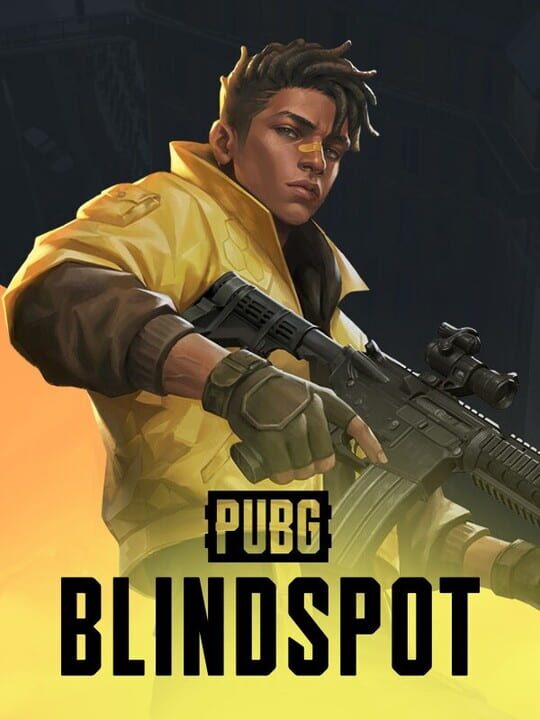
▲ Official Cover Art (Source: IGDB)
This decision comes despite the game garnering “mostly positive user reviews” on Steam and receiving an enthusiastic early assessment from critics who likened it to a “top-down Rainbow Six Siege with a bit of Hotline Miami.” The short lifespan of PUBG: Blindspot reflects a brutal reality in the modern gaming landscape, where even titles backed by major publishers can fail to find sustainable footing.
| Attribute | Detail |
|---|---|
| Game Title | PUBG: Blindspot |
| Developer | Arc Team |
| Publisher | Krafton |
| Genre | Free-to-play tactical shooter |
| Early Access Launch | February 5th |
| Shutdown Date | March 30th |
| Early Access Duration | ~2 months |
| User Reviews (Steam) | Mostly Positive |
The Abrupt End of PUBG: Blindspot: A Two-Month Saga
The swift decommissioning of PUBG: Blindspot underscores the intense pressures within the free-to-play (F2P) market. Arc Team’s representative, Sequoia Yang, stated in a Steam update that the team was “no longer able to sustainably provide the level of experience we set out to deliver through Early Access.” This corporate phrasing often points to a mismatch between development costs, player engagement, and projected revenue streams, especially critical for F2P titles that rely on long-term monetization.
Unlike traditional paid games, F2P titles like PUBG: Blindspot require a constantly growing and highly engaged player base to be viable. A steady influx of new players and a robust retention rate are essential for the cosmetic sales or battle passes that drive revenue. Without these, even a game with a solid core concept and positive initial feedback can quickly become a financial drain, making early cuts a necessity for publishers.
The game’s brief existence mirrors other recent industry casualties, albeit in an even more accelerated fashion. Firewalk’s *Concord*, for instance, lasted three weeks before Sony pulled the plug, leading to the closure of its development studio. While Arc Team hopes to “regroup” and return with “new experiences,” the fate of PUBG: Blindspot serves as a stark reminder of the unforgiving nature of a crowded market.
Krafton’s Contradiction: Record Revenue vs. Canceled Futures
The shutdown of PUBG: Blindspot creates a perplexing narrative when viewed against the backdrop of Krafton’s financial health. The publisher recently announced record annual revenues, surpassing $2 billion for the first time in 2025, largely thanks to the enduring success of *PUBG: Battlegrounds*. This flagship title continues to be a top performer on Steam, maintaining a consistent presence among the most-played games.

▲ Official Artwork (Source: IGDB)
This raises a critical question: why would a highly profitable publisher, with a cash cow like *PUBG: Battlegrounds*, pull the plug on a spin-off with “mostly positive reviews” after just two months? One likely answer lies in internal expectations and the cold, hard calculus of return on investment. As a “younger cousin” to a titan, PUBG: Blindspot likely faced immensely high internal benchmarks for player acquisition, engagement, and monetization.
The statement from Arc Team, emphasizing “player experience,” could also be a diplomatic way of indicating that player numbers simply weren’t high enough to sustain the project’s ambitious goals. Krafton has also been on a cost-cutting spree, even offering voluntary layoff programs amidst talk of an “era of AI transformation.” This suggests a company focused on optimizing resources and ruthlessly prioritizing projects that demonstrate immediate and significant commercial viability.
Pulse Gaming Perspective: PUBG: Blindspot’s Early Demise and the F2P Reality
The rapid shutdown of PUBG: Blindspot, despite positive feedback and a financially robust publisher, highlights the cutthroat nature of the free-to-play market. Success for these titles isn’t just about quality; it’s about exponential growth and sustainable monetization from day one, or they risk being deemed unsustainable in a competitive, cost-conscious industry.
The Volatile Free-to-Play Landscape
The F2P model, while offering low barriers to entry for players, presents monumental challenges for developers and publishers. Games must not only attract but also retain a massive audience, continually offering new content and engaging monetization opportunities. This environment makes it incredibly difficult for new titles, even those with established IP connections, to break through unless they demonstrate overwhelming momentum early on.
The case of PUBG: Blindspot illustrates that even positive initial reception may not be enough if the underlying player acquisition and retention metrics don’t align with a publisher’s long-term financial projections. Developers must now contend with an industry that demands instant success, or at least a clear path to it, making early access a high-stakes proving ground rather than a forgiving development period.
The Future of the PUBG Universe Beyond Blindspot
While PUBG: Blindspot failed to establish itself, Krafton still has other irons in the fire for the PUBG universe, notably *PUBG: Black Budget*. This upcoming first-person extraction shooter with time-warp elements represents a different attempt to expand the franchise. The failure of Blindspot might lead Krafton to be even more selective and demanding regarding the commercial prospects of future spin-offs, consolidating resources on what they deem most promising.
The lesson here for the broader industry is clear: a strong foundational IP and a financially sound publisher are no guarantees of success for every new venture. Each game must independently prove its worth in a saturated market, especially when employing the demanding free-to-play model.
For more insights into the competitive gaming landscape and publisher strategies, visit the official PUBG: Blindspot Steam page. The feedback and support from players, as Yang noted, will continue to inform future development efforts for Arc Team.
about other Krafton projects and the evolving F2P market.
Final Pulse Score: 8.2 / 10