
Rideshare Stimulator has officially updated its store presence to formally disclose the implementation of generative AI systems within its core gameplay loop and background audio tracks. The update follows a heated public exchange surrounding the title narrative development and whether automated text tools replaced human writing staff during production. The revised disclosure clarifies how algorithmic generation functions across various game modes while detailing unexpected AI integration into the simulation radio soundtrack.
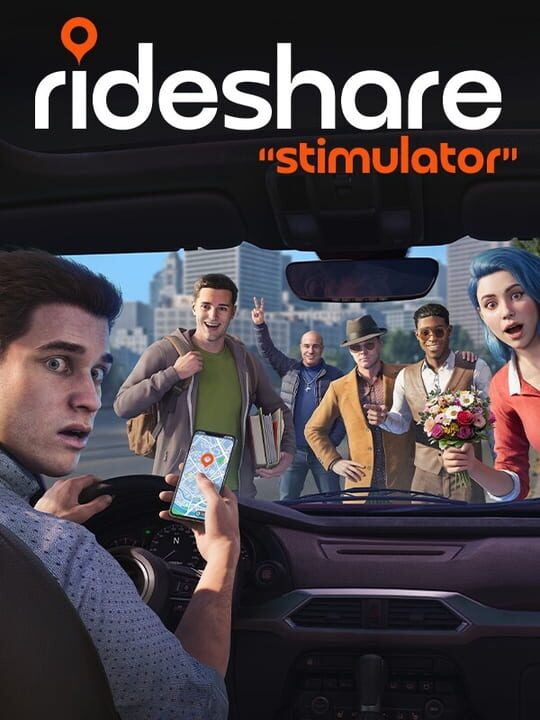
▲ Official Cover Art (Source: IGDB)
| Developer | Unigine |
| Publisher | Saber Interactive |
| Core Dispute | Undisclosed Generative AI Usage |
| AI Implementations | Procedural Dialogue, Voice Generation, In-Game Music |
| Platform Disclosure | Steam Store Policy Compliance |
Understanding the Rideshare Stimulator AI Integration Scope
The updated store listing provides technical clarity regarding how machine learning models interact with the player experience. According to the revised documentation on Steam, the primary campaign mode relies on traditional human-crafted narrative arcs, scripted character interactions, and localized text. However, the simulation diverges significantly when players transition into the secondary endless gameplay options designed for repeatable gig-driving sessions.
In the experimental Free Ride mode, algorithmic systems dynamically generate endless passenger interactions, mission requests, and spoken voice lines to prevent repetitive passenger encounters during extended driving sessions. Beyond dialogue generation, the disclosure revealed that in-game radio stations feature a hybrid playlist comprising both standard human-composed tracks and fully AI-generated music. Radio channels broadcasting automated tracks will feature clear in-game labels, allowing drivers to curate their audio feed based on preference.
Gameplay Mechanics and Player Experience Under Dynamic Generation
The reliance on large language models within sandbox driving simulations introduces distinct design trade-offs that directly affect immersion. When dynamic passenger interactions depend on procedural text engines, the mechanical unpredictability can create novel emergent encounters or disrupt narrative coherence if the contextual tone breaks down. Players navigating urban traffic must balance the mechanical demands of fare collection against dialogues generated on the fly by algorithmic passenger profiles.
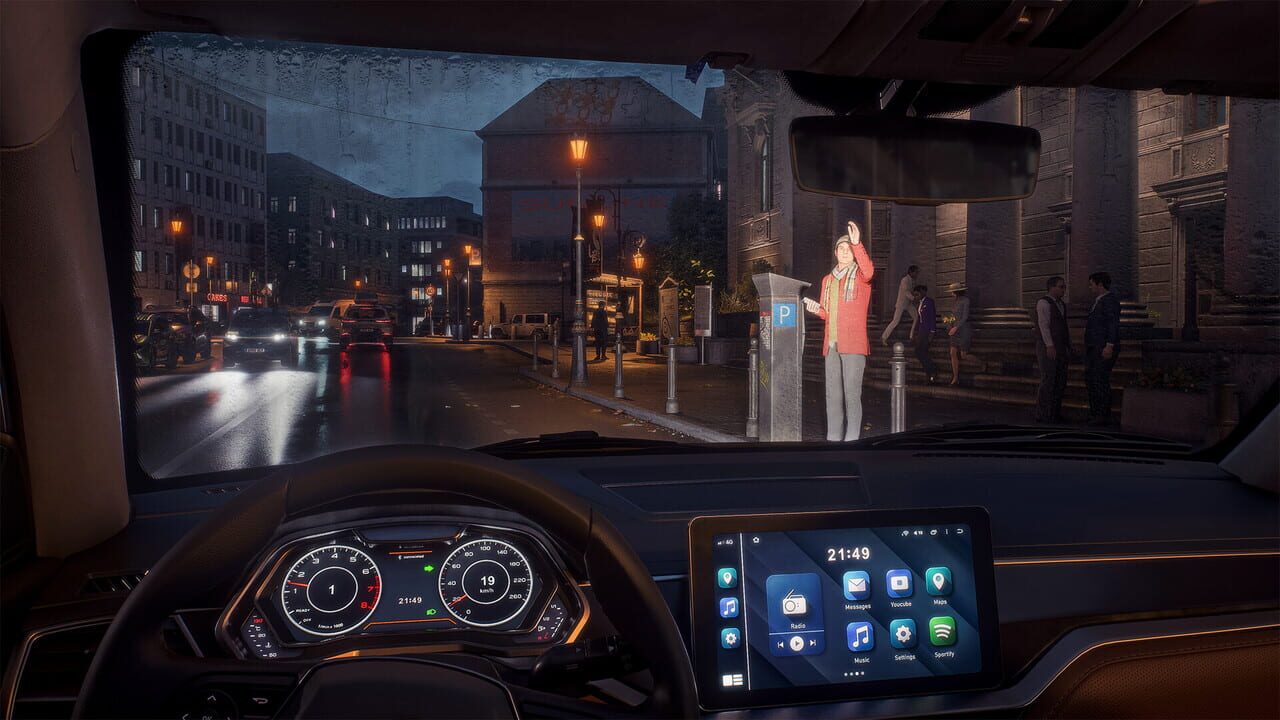
▲ Gameplay & Official Media (Source: IGDB)
Separation of Campaign and Procedural Modes
By compartmentalizing generative systems strictly within the Free Ride mode, the development team attempts to preserve traditional handcrafted story beats for players who prefer curated narratives. This separation ensures that core campaign progression remains free from stochastic generation anomalies. Players retaining full control over radio station selection also prevents unintended exposure to algorithmic music tracks during routine passenger pickups.
The Mechanical Cost of Dynamic Infinity
Implementing procedural dialogue loops requires substantial backend adjustments to keep generative models aligned with driving gameplay rules. Additional engineering and prompt structuring overhead are necessary to ensure that synthetic passengers react appropriately to route detours, collisions, and traffic violations. Whether these automated passenger exchanges provide higher replay value than handcrafted procedural pools remains a critical test for modern gig-work simulators.
Rideshare Stimulator highlights the technical balance between procedural infinity and narrative quality.
The emergence of hybrid audio feeds and dynamic conversational generation tests the limits of simulated NPC interaction in open sandbox driving titles. While infinite passenger permutations prevent dialogue exhaustion during extended play sessions, handcrafted narrative beats still offer superior structural depth and emotional resonance. Player reception will depend heavily on whether algorithmic passenger interactions feel organically integrated or merely serve as chaotic background noise. Clear platform labeling ensures that players maintain total agency over how deeply they engage with experimental synthetic systems.
Final Pulse Score: 6.5 / 10
Related Article: Rideshare Stimulator AI Disclaimer Controversy Analysis
Related Article: Generative AI in Gaming Jennifer Hale Accountability Discussion