
Roblox is breaking out of its walled garden with the announcement of the Roblox Everywhere initiative, an ambitious technological shift designed to let creators export their individual projects into dedicated standalone apps across PC, console, and mobile platforms. Instead of forcing players to launch the central hub client to access specific custom experiences, creators will soon be able to distribute their games as independent executables powered by underlying platform infrastructure. This move radically redefines how high-fidelity community creations reach broader audiences across mainstream digital storefronts.
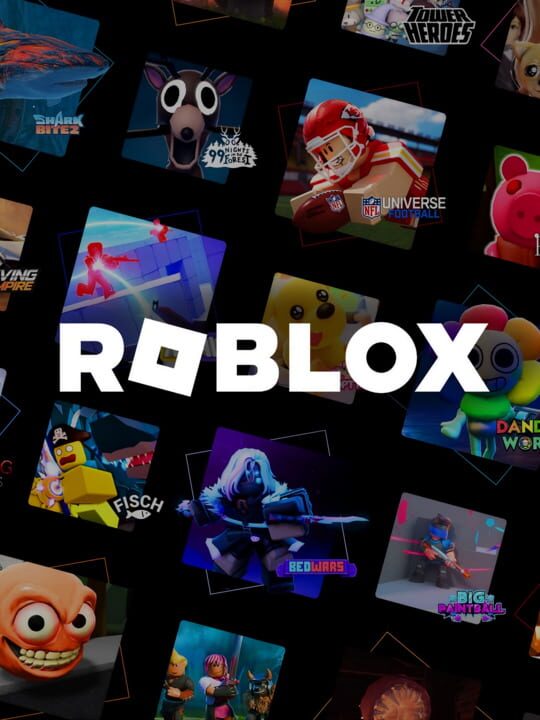
▲ Official Cover Art (Source: IGDB)
| Initiative Name | Roblox Everywhere |
|---|---|
| Export Targets | PC, Console, Mobile Standalone Apps |
| Cross-Play Support | Enabled by Default with Hub Client |
| Browser Integration | Direct Play via Chrome (More to Follow) |
| Offline Mode | Singleplayer Support Without Active Network |
| Storefront Goals | Testing with Select Developers and Platforms |
Breaking the Ecosystem Boundary with Standalone Game Distribution
For years, the core limitation of building within the engine was platform confinement, trapping complex projects inside a singular discovery browser alongside casual mini-games. The Everywhere framework alters this dynamic by allowing developers to package experiences into discrete binaries that can theoretically land on traditional storefronts like Steam, Epic Games Store, and console marketplaces. By handling backend authentication, netcode synchronization, and multiplayer matchmaking underneath the hood, the platform provides technical horsepower while granting developers genuine autonomy over storefront presence and branding.
Cross-play integration remains entirely seamless under this new architecture. Standalone client users will automatically connect to existing server instances, ensuring that active multiplayer lobbies remain populated regardless of whether a player logs in through a dedicated desktop executable or the standard mobile app. This unified matchmaking layer avoids fragmenting the player base, preserving community engagement across diverse hardware environments without requiring manual network configuration from players.
Browser Access and Offline Singleplayer Expand Player Accessibility
Alongside standalone application exports, the technical roadmap introduces native browser access and dedicated offline execution. Direct browser streaming, rolling out initially on Chrome before expanding to other browsers, eliminates installation barriers entirely for quick play sessions. Players jumping into short multiplayer matches or casual puzzle titles will no longer need to maintain dedicated client installations on secondary machines, dramatically lowering the entry threshold across budget hardware and work laptops.
The addition of offline functionality represents a long-awaited design breakthrough for singleplayer architects. Historically, every experience required an active network connection to authenticate assets and execute server scripts, rendering story-driven adventures unplayable during network outages. The forthcoming offline protocol allows singleplayer campaigns, atmospheric exploration titles, and precision platformers to run entirely client-side without ping reliance or active internet connectivity, granting developers the freedom to craft traditional offline gaming experiences.

▲ Gameplay & Official Media (Source: IGDB)
Shifting Developer Perspectives and Mainstream Viability
This technical evolution addresses long-standing perception barriers surrounding community-created titles. Advanced first-person shooters and deep role-playing games built within the engine often struggle to attract traditional core gamers who avoid the standard hub application. Releasing as independent executables provides these serious development teams the visual identity and marketplace credibility necessary to compete directly with mid-tier commercial releases on mainstream gaming platforms.
Roblox transforms from a restrictive application hub into a versatile backend game engine for multiplatform distribution.
By detaching individual titles from the launcher, creators gain direct access to traditional marketplace storefronts while retaining cross-play matchmaking. The inclusion of offline singleplayer and native browser streaming broadens user accessibility, allowing complex community projects to compete directly against conventional indie releases on equal footing across every modern gaming platform.
Final Pulse Score: 8.8 / 10