
Shovel Knight is a name synonymous with the perfection of 2D side-scrolling, but recent revelations suggest that the blue-clad hero was nearly ready to make the jump into three dimensions much sooner than anticipated. As the industry looks toward the next phase of indie evolution, it has come to light that a 3D iteration of the franchise was deep in production before being put on hold to ensure the quality of other projects. This transition from pixels to polygons represents a significant shift for a studio that built its reputation on 8-bit nostalgia, signaling an ambitious roadmap for the future of the brand.
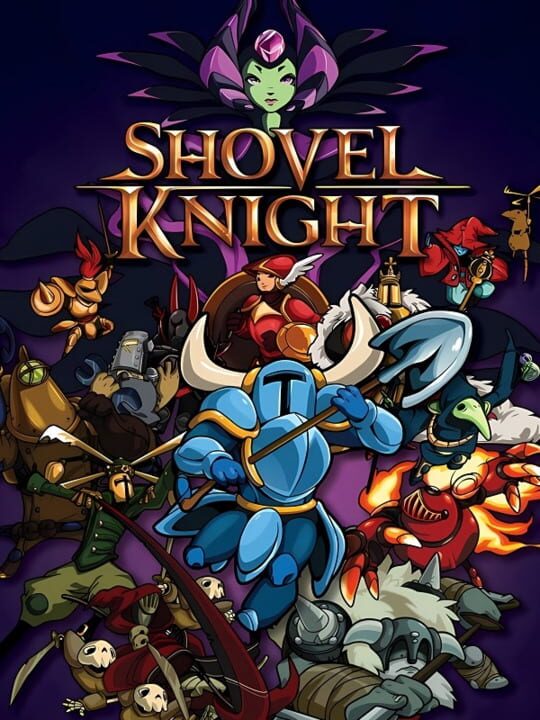
▲ Official Cover Art (Source: IGDB)
| Project Name | Development Status | Primary Focus | Release/Status |
|---|---|---|---|
| Mina the Hollower | Completed | Top-down Action Adventure | Released (May 2026) |
| Shovel Knight 3D | Paused (50% Complete) | 3D Platforming/Action | Future Project |
| Studio Structure | Unified | Single-team Focus | Ongoing Strategy |
The Structural Evolution and the 3D Shovel Knight Vision
The decision to pause a project that was described as halfway through development and not far from being showable is a rare move in an industry often driven by rapid release cycles. This 3D Shovel Knight project, which internally drew comparisons to the 64-bit era of platformers, was being developed alongside other titles before the studio decided to consolidate its resources. The focus shifted entirely to ensuring that current releases met the high bar set by their predecessors, emphasizing the studio’s commitment to quality over quantity. This “all hands on deck” approach meant that while the 3D vision was temporarily shelved, it remains a highly viable candidate for the studio’s next major undertaking.
From a mechanical perspective, moving a character defined by a pogo-shovel jump into a 3D space presents unique design challenges. The precision required for Shovel Knight gameplay must be translated into an environment with an added axis of movement. Analysts suggest that the work already completed on the project likely covers the fundamental physics and character controller, meaning that when the project eventually resumes, it could move toward completion much faster than a brand-new IP. This strategic reserve of content allows the studio to maintain a pipeline of high-quality titles without the risks associated with starting from zero.
Mina the Hollower as the Catalyst for Growth
While the 3D platformer waited in the wings, the recent launch of Mina the Hollower has served as a critical benchmark for the studio. Priced at $20, the title was positioned as a make-or-break project, testing the viability of the developer’s expansion into new genres. The game has already garnered critical acclaim, with reviewers praising its depth and rewarding it with scores as high as 90%. This success on platforms like the Steam Deck has validated the decision to focus on a single, high-polish experience rather than splitting the team across multiple concurrent developments.

▲ Official Artwork (Source: IGDB)
The Cultural and UX Value of Unified Development
The internal philosophy of keeping a unified team rather than splitting into multiple smaller units is a defining characteristic of the studio’s current era. While other major developers have found success with multi-team structures, the preference here is for a shared creative vision where every developer contributes to the same goal. This unity was particularly important during the late stages of development for recent titles, where the “cooking” phase allowed the team to find a rhythm that significantly improved the final product’s feel and polish.
For the players, this means that any future Shovel Knight experience will benefit from the collective expertise of a team that has spent years refining their internal tools and collaboration methods. The goal is to reach a state where development is a perpetual, fluid process, potentially shortening the long gaps between major releases. The 3D project represents more than just a new perspective; it is a test of how a studio built on retro aesthetics can adapt its core identity to modern hardware and player expectations without losing the soul of the franchise.
Looking ahead, the prospect of a 3D Shovel Knight is one of the most anticipated possibilities in the indie space. With the project already being halfway finished, the groundwork is laid for a reveal that could happen as soon as the current post-launch support cycles conclude. The move to 3D is not just a change in graphics, but a total reimagining of how the iconic shovel-play interacts with a more complex world, promising a meta-shift for fans who have mastered every inch of the 2D world.
The 3D Shovel Knight transition is the ultimate test of indie brand scalability.
By pausing development at the halfway mark, the studio avoided the common pitfall of over-extension, ensuring that their current flagship title reached elite status first. The 3D project now sits as a refined, low-risk asset that can be deployed to capitalize on the studio’s peak momentum. For gamers, this means the eventual leap to 3D will likely feel like a polished evolution rather than a clunky experimental departure, maintaining the precision physics that made the original 8-bit adventure a masterpiece.
Final Pulse Score: 9.5 / 10