
Shroom and Gloom enters the roguelike landscape with an inventive twist on the deckbuilding formula that immediately separates it from standard dungeon crawlers. Players descend into deeply textured, spore-choked underground passages rendered in heavy comic book linework, navigating a world where grotesque fungal lifeforms dictate survival. The project steps away from conventional single-deck structures to establish an interconnected mechanical loop centered around culinary survival, environmental manipulation, and strategic card play.
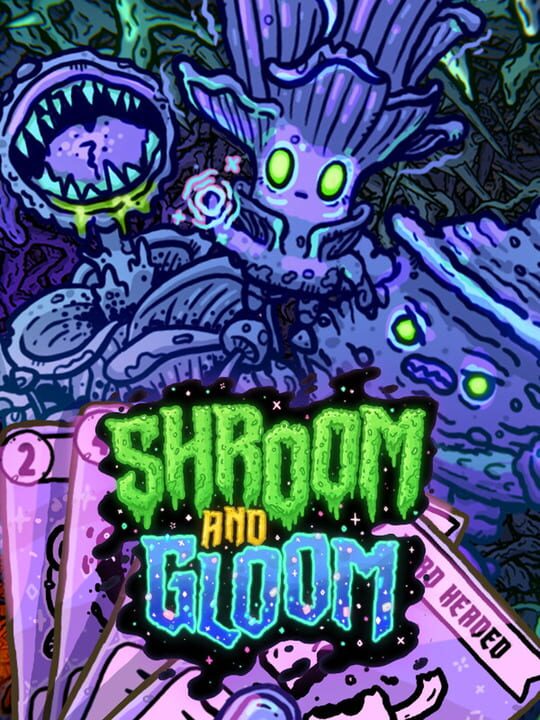
▲ Official Cover Art (Source: IGDB)
| Game Title | Shroom and Gloom |
| Release Model | Early Access |
| Genre | Roguelike Deckbuilder |
| Platform | PC |
| Key Mechanic | Dual Deckbuilding System |
| Playable Classes | Five Distinct Characters |
Dual Deck Architecture in Shroom and Gloom
The core strategic hook of Shroom and Gloom rests entirely on its dual deck system, which divides player actions into combat execution and environmental survival. Rather than forcing defensive, offensive, and utility cards into a single shuffled pile, the title provides two independent decks that govern distinct phases of the dungeon crawl. Combat cards focus on direct offensive pressure, applying status effects, generating gunk piles, and toasting hostile fungal enemies for subsequent harvesting.
The exploration deck shifts the mechanical focus toward dungeon sustainability and map traversal. These utility cards allow adventurers to interact with background elements, set up survival camps, uncover rare resources, and brew restorative soups from harvested foes. This separation removes the typical frustration of drawing utility cards during lethal combat rounds while forcing players to carefully balance both resource pools to survive deeper descents.
Branching Paths and Character Diversity
Exploration routes in the game present distinct thematic and mechanical challenges across multiple branching paths. Players can steer their expedition through traditional subterranean caverns choked with organic rot or venture into paths that introduce unsettling sci-fi aesthetic elements. Each biome introduces unique hazard profiles and monster behaviors that test both combat preparedness and exploration deck efficiency.
To support varied playstyles, the early access release features five distinct playable characters. While each roster option approaches dungeon management differently, players must master the intricate balance between combat damage and campsite crafting to conquer escalating difficulty tiers. This progression structure rewards deliberate deck refinement over erratic card drafting.
Atmospheric Presentation and Mechanical Depth
Visually, Shroom and Gloom stands out through an intentionally grubby, hand-drawn art style packed with intricate background details. The tactile presentation reinforces the claustrophobic tension of first-person dungeon crawling, framing every monster encounter and campfire meal with striking comic book flair. The distinct visual identity complements the methodical pace of gameplay, making inventory management and card synergies feel rewarding.

▲ Gameplay & Official Media (Source: IGDB)
The early access launch on Steam provides an engaging foundation for roguelike enthusiasts seeking strategic complexity. By separating direct combat from survival actions, the game solves persistent pacing issues common in standard deckbuilders. As the development cycle unfolds, balance updates and content expansions will determine how deeply these dual systems can evolve over extended runs.
Shroom and Gloom Redefines Resource Economy Through Split Decks
The decision to split exploration and combat into isolated decks eliminates traditional draw variance bottlenecks. By turning defeated foes into combustible culinary resources, the title integrates survival survival loops directly into tactical card play. This design choice gives every run sustained momentum across disparate dungeon biomes.
Final Pulse Score: 8.4 / 10