
Silent Hill Townfall represents a bold new direction for the legendary psychological horror franchise by transporting its signature atmosphere to the rugged coast of Scotland. Developed by the specialists at Screen Burn, this title pivots away from the traditional American gothic tropes to embrace the isolation of the fictional town of St. Amelia. Set in 1996, the game centers on Simon Ordell, a man perpetually trapped in a cycle of waking up on the damp docks of the town. This shift in setting provides a fresh canvas for horror, utilizing the natural mystery of the Scottish Highlands to create a world that feels both hauntingly beautiful and profoundly dangerous.
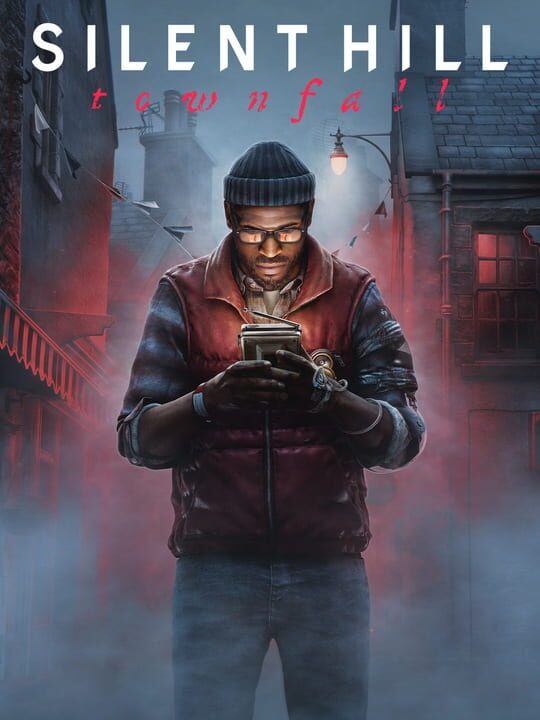
▲ Official Cover Art (Source: IGDB)
| Developer | Screen Burn |
| Protagonist | Simon Ordell |
| Setting | St. Amelia, Scotland (1996) |
| Primary Mechanic | CRTV Portable Television Tuning |
| Visual Aesthetic | Analog Video Distortion |
| Combat Style | Tactical Melee and Stealth Focus |
The Visual Identity and Localized Authenticity of Silent Hill Townfall
One of the most striking aspects of Silent Hill Townfall is its commitment to visual and cultural authenticity. The development team has gone to extraordinary lengths to capture the specific dinge of white coastal walls blasted by years of North sea rain. To enhance the immersion, the game uses an analog horror aesthetic that was achieved by running footage through real-world vintage video equipment before re-importing it into the game engine. This creates a fuzzy, distorted texture that perfectly mirrors the 1996 time period. For players, this means the environment isn’t just a backdrop; it is a tangible, grimy world that feels like a lost VHS tape found in the basement of a coastal cottage.
The town of St. Amelia itself functions as a character, balancing the line between a picturesque postcard location and a nightmare. Walking through the narrow streets in the rain and fog evokes a specific sense of dread that is unique to the Silent Hill series. The architecture is frighteningly accurate, capturing the mundane details of Scottish life that make the supernatural incursions feel even more jarring. This level of detail extends to the puzzles, which are deeply rooted in the technology of the era, moving beyond simple key-and-lock mechanics into more tactile, equipment-based challenges.
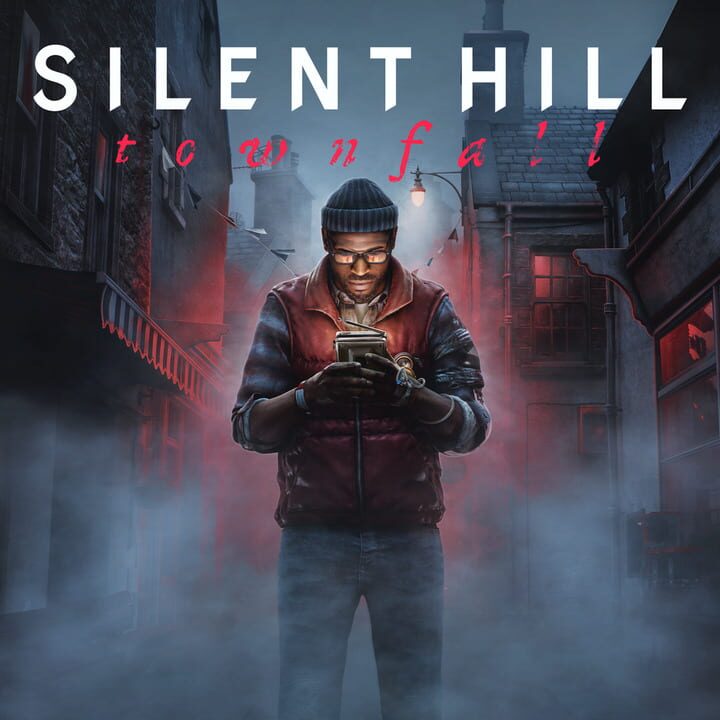
▲ Official Artwork (Source: IGDB)
Mastering the CRTV Mechanic and Survival Horror Loop
The central gameplay mechanic in Silent Hill Townfall revolves around a portable CRTV unit that Simon carries. This device is not merely a gimmick; it is the player’s primary interface for interacting with the paranormal. By tuning the frequencies on the portable television, players can uncover hidden video fragments, receive cryptic messages from unknown entities, and even reveal the outlines of monsters lurking in the fog. This mechanic builds on the legacy of tactile puzzle-solving seen in previous Screen Burn titles, where tinkering with old tech is integrated directly into the narrative progression.
A standout example of this specialized puzzle design involves a search for a leckie card—a pre-paid electricity card historically used in Scotland. This requirement to restore power to a location by finding a specific local utility card demonstrates how the developers are using cultural specifics to ground the horror in reality. It forces the player to explore authentically rendered newsagents and high streets, locations that feel safe during the day but become labyrinthine deathtraps after dark. The unpredictability of these environments is further heightened by the enemy AI, which does not follow fixed patrol paths, making stealth a tense and dynamic experience.
Combat Dynamics and Enemy Encounters in St. Amelia
While Silent Hill Townfall emphasizes stealth, combat remains a brutal and necessary last resort. The enemies encountered in the demo, such as a deformed figure with an axe embedded in its skull, are relentless and hit with significant force. This encourages a gameplay meta where players must carefully weigh the risks of engagement against the limited resources available. The melee system is designed to make every hit feel impactful, but it is clear that the game prioritizes the psychological tension of being hunted over action-oriented combat. This ensures that the series stays true to its roots as a survival horror experience where the player is constantly on the defensive.
Silent Hill Townfall leverages cultural specificity and analog technology to redefine the franchise for a new generation
The decision to ground the game in the specific cultural and technological landscape of 1990s Scotland is a masterstroke in world-building. By replacing traditional horror tropes with tactile mechanics like the CRTV and the leckie card, Screen Burn has created a survival horror loop that feels grounded and physically real. The unpredictable AI movement and the focus on analog distortion suggest a high-fidelity experience that values atmosphere over simple jumpscares. This localized approach is exactly what the series needs to maintain its relevance in the current gaming landscape.
Final Pulse Score: 9.0 / 10
Related Article: Silent Hill Townfall Release Setting Analysis
Related Article: Hopetown Gameplay Mechanics and Dev Insights