
Silent Hill: Townfall is officially leading the charge in a new era for the legendary horror franchise, proving that the series’ core identity is no longer shackled to a single geographical location in Maine. Following the high-impact trailer revealed during the June 2, 2026, State of Play livestream, it is clear that the developers are leaning into a global perspective of psychological dread. This shift represents a bold departure from tradition, yet early indications suggest it may be the most faithful evolution of the series’ themes we have seen in decades.
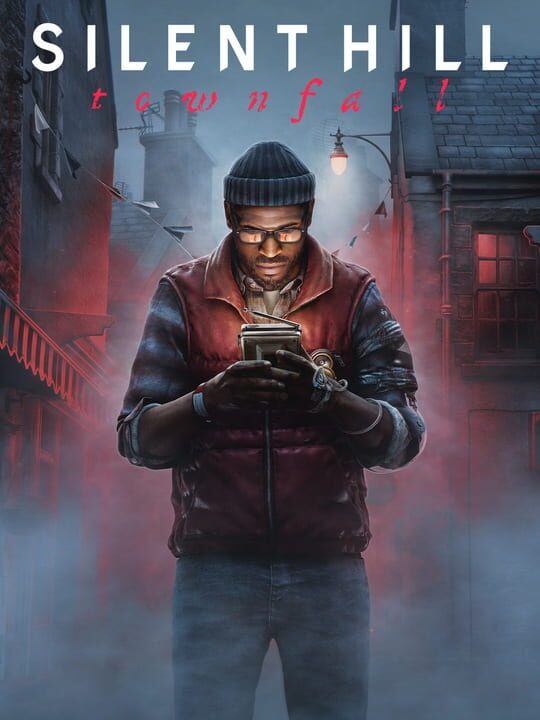
▲ Official Cover Art (Source: IGDB)
| Feature | Details |
|---|---|
| Game Title | Silent Hill: Townfall |
| Developer | Annapurna Interactive / Screen Burn |
| Publisher | Konami |
| Setting | St. Amelia, Scotland |
| Key Mechanics | Analog CRTV Signal Detection / Psychological Horror |
| Internal Clock Status | Trailer Released June 2, 2026 |
The Evolution of Horror in Silent Hill: Townfall
The latest footage for Silent Hill: Townfall transports players to the isolated Scottish island of St. Amelia, a setting that feels as claustrophobic and spiritually heavy as the fog-choked streets of the original town. While the scenery has changed, the fundamental architecture of the nightmare remains intact. The trailer showcases a community burdened by dark secrets and a protagonist named Simon who appears to be unravelling under the weight of his own psychological strain. This shift to an international locale reinforces the idea that the supernatural phenomena once thought to be localized to Maine are actually a form of psychological contagion.
What makes the Scottish setting so compelling is how it utilizes the local environment to mirror the internal state of the characters. Much like how previous entries used the resort town to manifest guilt and grief, St. Amelia provides a rugged, ancient backdrop for the Otherworld to manifest. The grotesque creatures glimpsed in the darkness carry the same symbolic weight fans expect, suggesting that the development team deeply understands the series’ penchant for manifesting personal trauma into physical horrors. The visual fidelity on current-generation hardware like the PlayStation 5 Pro ensures that the transition between the foggy reality and the rusted Otherworld is more seamless than ever.
Transmitting Terror via Analog Tech
One of the most intriguing elements introduced in the Silent Hill: Townfall footage is Simon’s CRTV. This handheld analog television serves as a modern riff on the iconic radio carried by Harry Mason in the original 1999 title. In this iteration, the device appears capable of detecting and visually rendering horrors that exist just beyond the edge of human perception. This mechanic bridges the gap between the franchise’s lo-fi roots and contemporary gameplay, forcing players to look through a distorted screen to find the truth hidden within the environment.
Why Silent Hill: Townfall Proves the Town is a State of Mind
For years, fans debated whether the franchise could survive without its namesake location, but the success of other recent titles has already answered that question. Silent Hill f, which took the series to 1960s Japan, recently secured an impressive 86% positive rating by proving that atmosphere and symbolism are more important than a specific zip code. Silent Hill: Townfall follows this successful blueprint by acknowledging that the town itself is merely a vessel. Whether it is the cherry blossom-themed nightmares of Germany in The Short Message or the cult-influenced shadows of South Ashfield in the fourth installment, the series is at its best when it treats horror as a psychological state.
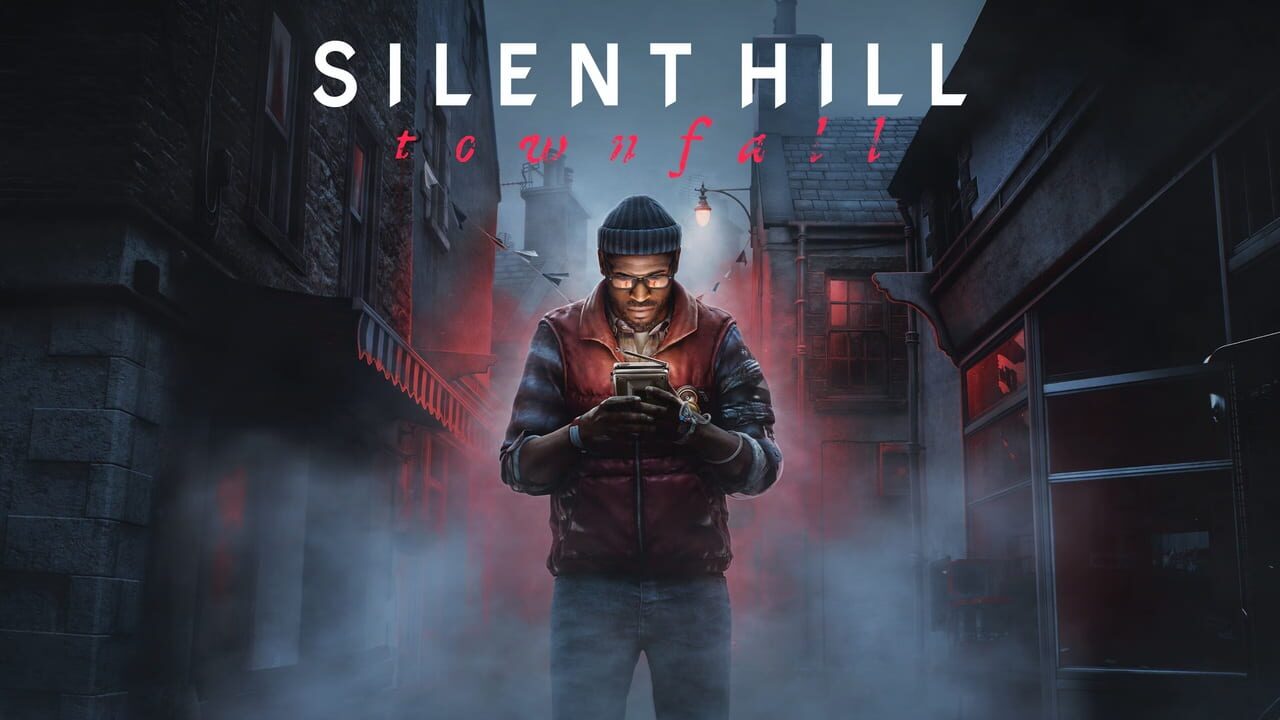
▲ Official Artwork (Source: IGDB)
By moving to Scotland, the developers are effectively expanding the mythology. We are seeing a pattern where something reaches out from the void to pull vulnerable people into a fog of their own making. In Townfall, this seems to be facilitated through mysterious broadcasts, suggesting that the eldritch influence of the cult or the town’s power can be transmitted through technology. This evolution keeps the franchise relevant in an age where digital and analog signals define our reality, ensuring that the fear remains intimate and immediate for the player.
Breaking the Curse of the Past
Despite previous stumbles in the franchise’s history—ranging from questionable film adaptations to lackluster experimental titles—the current trajectory feels focused and ambitious. Silent Hill: Townfall does not seek to simply recreate the events of the second game; instead, it furthers the core ideas of the series. The emphasis on unique, personalized monsters and a heavy reliance on atmospheric storytelling suggests that Konami is finally allowing creative partners to take the risks necessary to revitalize the brand. Following the fog into St. Amelia might be the best decision the series has made in twenty years.
Silent Hill: Townfall proves that atmospheric dread transcends geographic boundaries.
By shifting the focus to a Scottish archipelago, the developers are doubling down on the “psychological contagion” theory that has simmered in the franchise since the fourth installment. The use of analog tech like the CRTV suggests a more tactile, invasive form of horror that exploits our modern reliance on screens, effectively bridging the gap between the 90s aesthetic and current psychological anxieties. This isn’t just a spin-off; it is a vital evolution that treats the series’ identity as a psychological condition rather than a mere physical destination.
Related Article: Silent Hill 2 Remake Sales Milestone Analysis
Related Article: Unbound Inc Shift Up Horror Game
Final Pulse Score: 8.8 / 10