
Splatoon Raiders represents a fascinating evolution in Nintendo design philosophy, revealing how a project can completely pivot mid-development to preserve its foundational mechanical identity. Originally conceived as a solo spin-off of the highly popular Salmon Run co-op mode, early development focused on translating a four-player cooperative experience into a satisfying single-player loop. To compensate for the lack of teammates, developers initially structured the title as a classic tower defense experience, letting players place static defenses to manage enemy waves. However, early playtests proved that this hands-off strategy directly clashed with the kinetic, high-mobility action that franchise veterans expect.
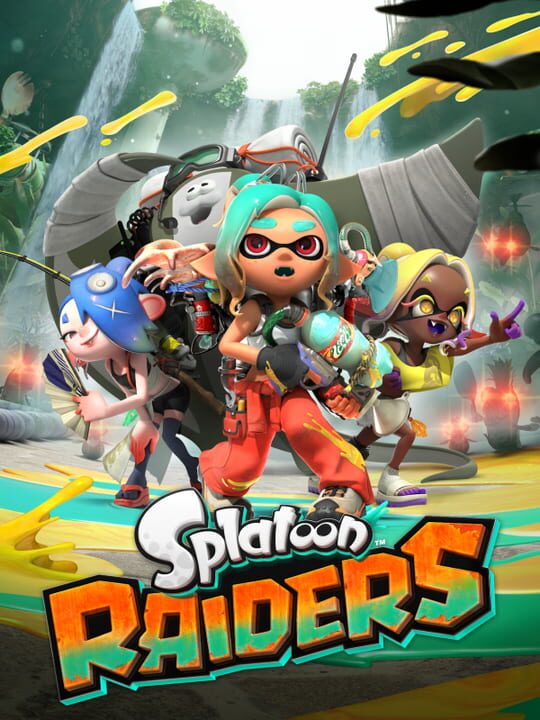
▲ Official Cover Art (Source: IGDB)
| Lead Director | Yoshihiko Ito |
| Project Producer | Seita Inoue |
| Initial Concept | Tower Defense with Sentry Traps |
| Core Mechanics | Dynamic Gadgets and Solo Action |
| Primary Platform | Nintendo Switch |
Why Splatoon Raiders Scrapped its Fortress Building Prototype
In the early stages of prototyping, the design team attempted to solve the difficulty of solo Salmon Run matches by introducing placeable automated traps. Director Yoshihiko Ito revealed in an official Nintendo Ask the Developer interview that the prototype featured sentry guns and stationary devices meant to thin out the incoming hordes of Salmonids while players watched from safety. While this resolved the mechanical balance issues of solo play, it introduced an unexpected design crisis because the gameplay quickly lost its essential identity. Instead of actively paint-swimming, leaping, and engaging in frantic combat, players spent their time building fortresses and passively observing the battle unfold.
Producer Seita Inoue, who served as art director for the mainline trilogy, noted that the core magic of the series has always relied on the physical synergy between the player, gyro controls, and rapid ink navigation. When the gameplay shifted toward stationary structures, that crucial tactile connection vanished. The team realized that the essence of the franchise requires players to execute a massive variety of inputs in short order, such as diving into ink, repositioning, and managing active weapons. Without these core pillars, the initial prototype felt alien, prompting a drastic change in creative direction.
Transitioning From Static Traps to Dynamic Gadgets
Recognizing the lack of kinetic energy in the tower defense model, the developers initiated a major pivot to turn Splatoon Raiders into a highly active solo experience. Instead of hiding behind static defenses, players were given an array of high-mobility gadgets designed to empower aggressive, solo playstyles. These newly introduced gadgets allow players to launch themselves high into the air, hover over danger, or crash forward with heavy momentum. The mechanical pivot was a defining moment for players diving into Splatoon Raiders, shifting the balance back toward intense personal mechanical skill.
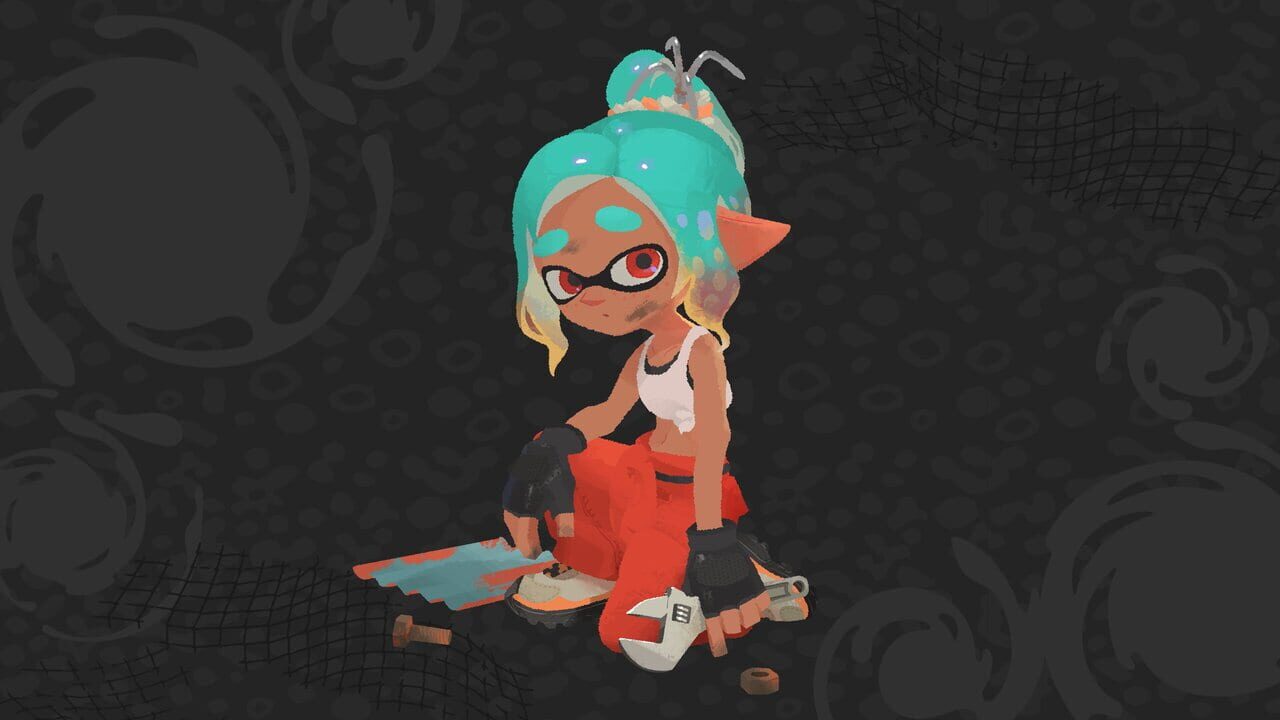
▲ Official Artwork (Source: IGDB)
The resulting gameplay is incredibly intense, forcing players to manage multiple tools simultaneously on screen. The final release shifts the focus back to mechanical mastery and constant physical movement, demanding quick decision-making rather than passive defensive setup. Our official review of Splatoon Raiders highlights this transition, characterizing the game as a highly engaging and relentless single-player experience. The final design proves that sacrificing the original tower defense framework was essential to preserving the raw spirit of the franchise.
The Success of Splatoon Raiders Proves that Kinetic Feel Outweighs Genre Novelty
By abandoning the passive fortress-building prototype, Nintendo demonstrated an uncompromising commitment to kinesthetic gameplay loop integrity. This decision highlights a crucial industry lesson: a spin-off should never sacrifice the sensory signature of its parent franchise just to fit a new genre mold. Forcing high-mobility mechanics into a static tower defense game would have alienated core fans, whereas shifting to dynamic gadgets successfully expanded the series into a robust, solo-friendly direction.
Final Pulse Score: 8.5 / 10
Related Article: Splatoon Raiders Single Player Gameplay Details Explored
Related Article: Remembering the Splatoon 2 March 2017 Leak and Development Path