
Spyro the Dragon is finally heading toward a native PC release thanks to a highly sophisticated community-driven decompilation project that bypasses traditional emulation. In recent years, PC gamers have seen several classic console masterpieces rebuilt natively to outstanding results. While modern gamers have enjoyed the high-definition remake collection on Steam, retro purists have long clamored for a way to play the 1998 PlayStation classic in its original form on modern monitors. Now, talented developers are bridging that gap by reconstructing the game from the ground up, promising native performance on modern operating systems without relying on artificial intelligence upscaling.
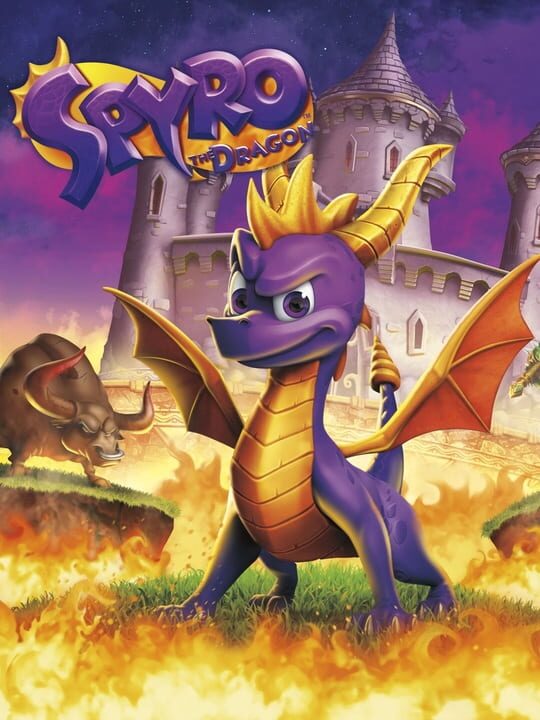
▲ Official Cover Art (Source: IGDB)
| Project Name | Spyro the Dragon PC Port |
| Target Platform | Windows 11 Native |
| Key Features | 60 FPS Widescreen Perspective Correct Textures |
| Decompilation Status | 88 Percent Functions Complete |
| AI Policy | Strictly Zero AI Implementation |
The Technological Rebirth of a PlayStation Icon
The underlying magic behind this port is a hybrid framework combining decompilation and recompilation, specifically utilizing the OpenPETE project designed by independent developers. Last year, a collective known as The Moby Collective initiated the massive task of reverse-engineering the original code of Spyro the Dragon. Their progress is incredibly impressive, having already successfully decompiled eighty-eight percent of the game’s functions and fifty-eight percent of its raw bytes into readable source code. This meticulous approach allows the port to run natively on Windows 11, avoiding the performance overhead and input latency typically associated with console emulators. For players, this means instantaneous response times and absolute precision during challenging platforming sequences.
Technical Improvements Upgrading Spyro the Dragon for Modern Monitors
By rewriting the classic platformer for modern hardware, developers can eliminate the technical limitations inherent to the original PlayStation hardware. This native port comfortably hits sixty frames per second, though internal testing has shown the engine running at a blistering three hundred and twenty frames per second on high-refresh-rate gaming monitors. Additionally, the project implements true widescreen support and perspective-correct textures. Most notably for retro enthusiasts, it removes the infamous polygon wobble, a visual artifact caused by the original console’s lack of a floating-point unit. This provides an incredibly smooth and clean aesthetic that honors the original art direction of Spyro the Dragon while delivering a viewing experience suited for current-generation displays.
Preserving Retro Authenticity Without Modern Shortcuts
A major talking point surrounding this project is the developer’s explicit stance against using artificial intelligence tools during development. In an era where automated upscaling often smudges hand-crafted retro textures and strips away artistic intent, the commitment to handcrafted refinement ensures that the nostalgic visual integrity remains fully intact. While the port is currently playable, it is still very much a work in progress. Early testers report that the build suffers from visual artifacting, minor camera flashes, and some awkward camera movements that could trigger motion sickness. However, with the release of the official game Spyro: A Realm Beyond scheduled for 2027, retro fans will likely have this perfect native port of the original Spyro the Dragon in their hands much sooner than expected, offering a pure time-capsule experience.
A landmark victory for game preservation ensures Spyro the Dragon avoids the pitfalls of lazy modernization
By avoiding generative AI upscaling and focusing on clean, native recompilation, this fan-made project proves that authentic preservation is always superior to automated filters. Gamers get the best of both worlds: the pixel-perfect gameplay of 1998 paired with the high-refresh-rate responsiveness of 2026 gaming hardware.
Final Pulse Score: 8.5 / 10