
Star Wars Zero Company demonstrates how high-stakes tactical combat can deliver a more profound roleplaying experience than traditional branching dialogue trees. By forcing players to live with the permanent loss of fully voiced, narrative-heavy squadmates, developer Bit Reactor bridges the gap between turn-based squad tactics and cinematic character arcs. The risk of losing a companion forever reframes every strategic blunder into an authored tragedy that belongs uniquely to the player.
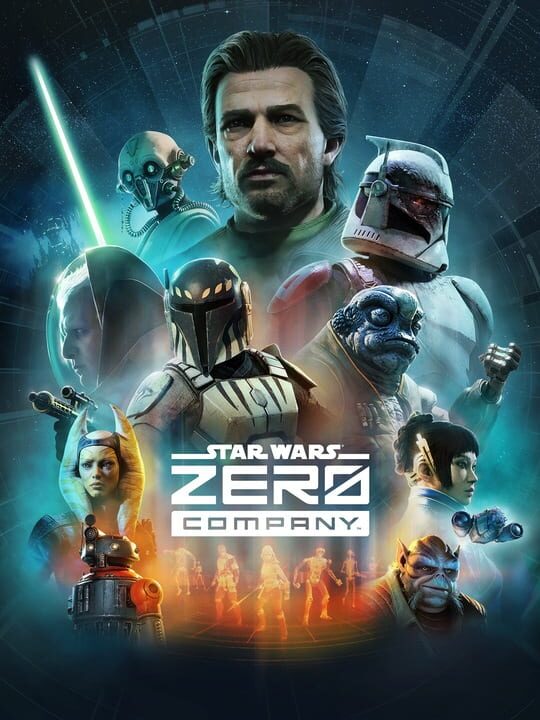
▲ Official Cover Art (Source: IGDB)
| Developer | Bit Reactor |
| Genre | Turn-Based Tactics Tactical RPG |
| Core Narrative Mechanic | Companion Permadeath System |
| Base Progression Loop | Hub Management and Galaxy Operations |
| Companion Focus | Fully Voiced Narrative Subplots |
The Mechanical Fusion of Turn-Based Tactics and Narrative Stakes
The operational rhythm in Star Wars Zero Company will feel immediately familiar to fans of hub-based tactical adventures. Players navigate their base of operations, upgrade critical tech, converse with unique squadmates, and deploy across a galactic map into deadly combat zones. However, where most mainstream roleplaying games protect their primary cast behind plot armor, this title introduces severe consequences for careless command decisions on the battlefield.
The underlying permadeath system operates on a strict mechanical threshold. If an operator falls in combat three times without receiving necessary medical rehabilitation in the medbay, that operative is lost permanently. This is not merely a stat penalty or a temporary absence; their unique presence, fully voiced interactions, and personal subplots vanish from the remainder of the campaign.
How Permadeath Elevates Star Wars Zero Company Beyond Traditional RPGs
In standard roleplaying titles, consequence is largely dictated by authored dialogue choices or binary moral dilemmas. While these systems provide structured branching, they often lack the immediate, visceral tension generated by systemic gameplay systems. Star Wars Zero Company circumvents this limitation by allowing combat performance to directly dictate narrative availability, ensuring that surviving a difficult mission feels personally earned.
Characters like the clone trooper Trick showcase the emotional power of this design philosophy. Experiencing Trick personal journey requires tactical precision and meticulous battlefield preservation, transforming standard combat into a fight for narrative preservation. When companion survival is tied directly to positioning, cooldown management, and tactical foresight, every successful extraction carries genuine emotional weight that scripted cutscenes rarely match.
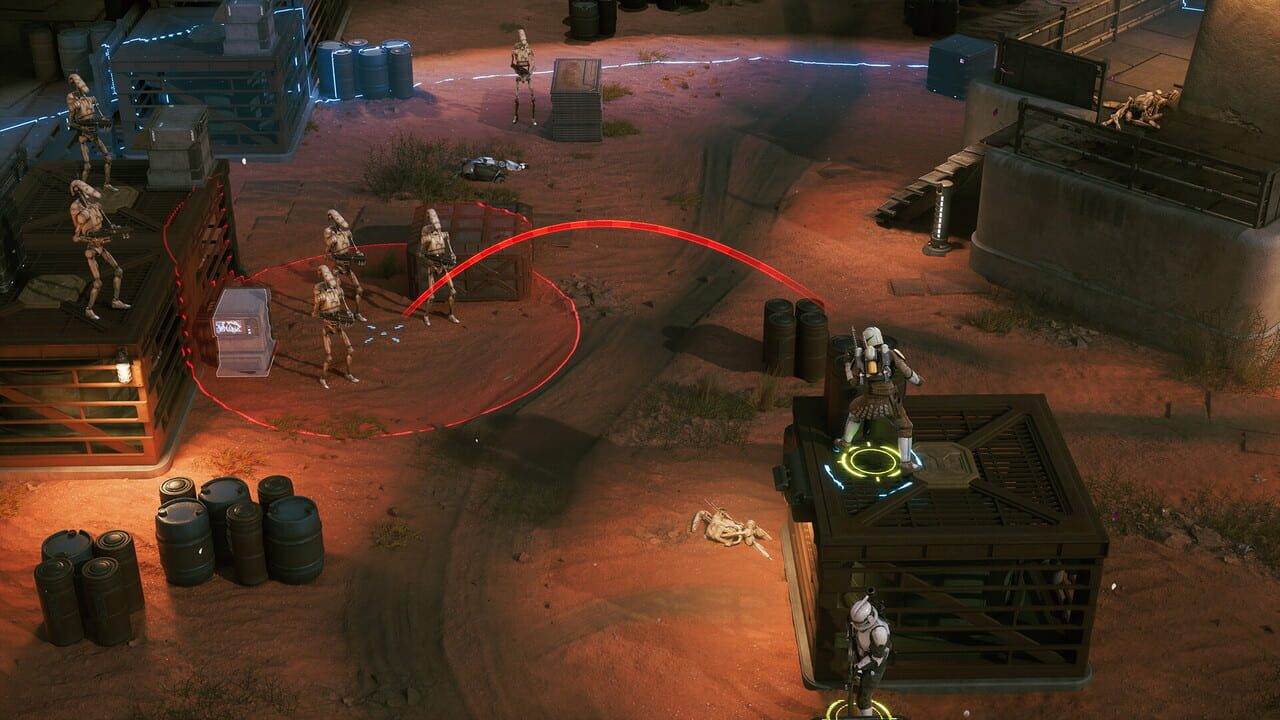
▲ Gameplay & Official Media (Source: IGDB)
The Evolution of Systemic Storytelling
While genre classics have toyed with permadeath before, few have matched the triple-A production values and narrative integration seen here. Bit Reactor balances authored writing with systemic uncertainty, creating a rare gameplay loop where mechanical mastery preserves narrative depth. Moving forward, expanding companion reactivity within non-combat hub operations could elevate these dynamic relationships even further.
Star Wars Zero Company proves tactical mortality enhances roleplaying authenticity
Integrating permanent mortality into fully realized story characters bridges mechanical mastery and narrative consequence. The looming danger of losing key allies during tactical engagements delivers higher personal investment than static dialogue trees. Bit Reactor sets an essential precedent for systemic storytelling in tactical roleplaying design.
Final Pulse Score: 9.0 / 10
Related Article: Star Wars Zero Company Review Tactical Gameplay