
Stardew Valley continues to stand as a titan of the life-simulation genre, proving that a player-first philosophy is not just a moral victory but a sustainable business model. Earlier this year, the community celebrated the game’s 10th anniversary, a milestone that highlights the incredible longevity of a title built by a single dedicated developer. While modern gaming is increasingly defined by battle passes, cosmetic shops, and recurring subscription fees, the creator of this farming phenomenon, Eric Barone, has reaffirmed his commitment to keeping the experience pure and free of predatory monetization.
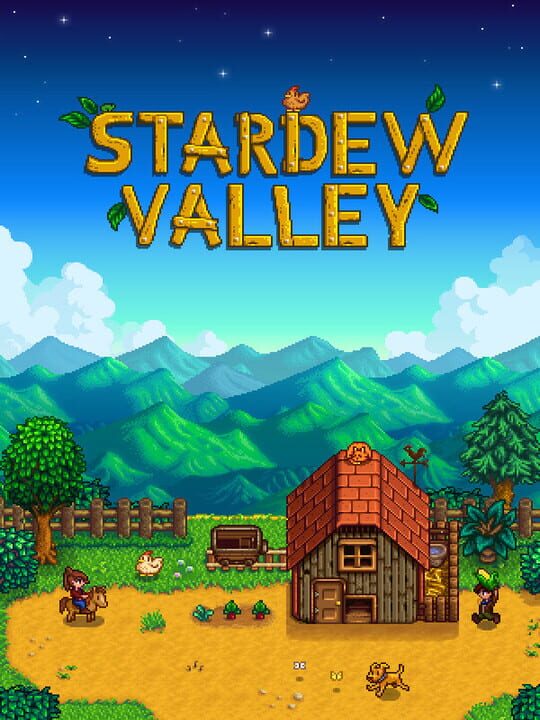
▲ Official Cover Art (Source: IGDB)
| Feature | Status |
|---|---|
| Microtransactions | None / Zero |
| Latest Major Update | Version 1.6 |
| New Content Cost | $0.00 (All updates free) |
| Developer | ConcernedApe (Eric Barone) |
| Release Anniversary | 10 Years (2016-2026) |
The Philosophy of Player Respect Over Profit
The core success of Stardew Valley stems from a deep-seated respect for the user base that many AAA studios have forgotten. Eric Barone has been vocal about his personal happiness being tied directly to the admiration and respect of his community rather than the amount of money he can extract from them. In a landscape where “whales” are hunted and engagement is measured by daily login rewards, this stance is refreshingly radical. Barone views the relationship between developer and player as a sacred bond, suggesting that chasing the dollar is far less fulfilling than maintaining the magic of the game world.
By refusing to implement even minor microtransactions, Barone ensures that the immersion of the game remains intact. There is no immersion-breaking store button or prompts to buy premium currency to speed up crop growth or unlock rare furniture. This lack of financial pressure allows the gameplay mechanics to breathe, fostering a environment where progress feels earned rather than bought. This psychological freedom is likely why the game continues to attract new players a decade after its initial launch.
Why Stardew Valley Rejects Modern Monetization
The rejection of modern monetization in Stardew Valley is not merely a marketing tactic; it is an extension of the game’s own narrative themes. The story begins with a player escaping a soul-crushing corporate job at JojaCorp to find a more authentic, natural way of living. Introducing microtransactions would mirror the very corporate greed the game critiques. Barone has noted that the world’s increasing complexity makes the simplicity of Pelican Town even more valuable as an escape, and adding digital storefronts would compromise that sanctuary.
▲ Official Artwork (Source: IGDB)
The Legacy of the 1.6 Update and Beyond
Throughout its history, Stardew Valley has received six massive content updates, the most recent being the substantial 1.6 patch. This update was not a small hotfix but a complete expansion of the game’s ecosystem, adding a new farm type known as Meadowlands, complete with chewy blue grass that animals adore. It also introduced bonus chickens and an extensive list of quality-of-life improvements that could have easily been sold as paid DLC in any other game. Instead, these additions were provided at no extra cost to every owner of the game.
Even with this lack of recurring revenue from current players, the game remains a financial juggernaut. It has sold tens of millions of copies globally and even outperformed established franchises like Call of Duty on major platforms during its peak years. The revenue generated from base sales, combined with side projects like the official cookbook, international concert tours, and high-quality merchandise, proves that a game does not need to nickel-and-dime its audience to be incredibly profitable. This success story serves as a beacon for independent developers worldwide.
Ultimately, the goal for Stardew Valley has always been to deliver a sense of wonder. Barone describes this as a magical feeling, akin to watching the sun set over a horizon—an ethereal experience that is difficult to quantify but easy to recognize. By keeping the wallet out of the equation, the focus remains entirely on the emotional and mechanical satisfaction of building a life on the farm. As we look toward the future of the genre, the industry would do well to study how this game has maintained its integrity for over ten years.
Stardew Valley sets the gold standard for long-term player retention via social capital
By prioritizing the admiration of the community over immediate financial extraction, Eric Barone has built a brand loyalty that is virtually unbreakable. The free 1.6 update served as a massive content injection that revitalized the player base without creating the resentment typically associated with paid season passes. This strategy proves that high-quality, free updates generate more value through word-of-mouth and long-tail sales than aggressive monetization ever could in the indie space.
For more information on the game and its history, you can visit the official Stardew Valley website.
Final Pulse Score: 10 / 10