
Starfield stands as the final milestone for one of the most recognizable faces in the gaming industry, Pete Hines. After nearly twenty-five years of serving as the voice of Bethesda Softworks, Hines recently opened up about the heavy emotional and professional toll his final years at the company took on him. While many fans associate his departure with a simple retirement following a major launch, the reality involves a much deeper struggle to protect the creative soul of the studio behind some of the most complex RPGs ever made.
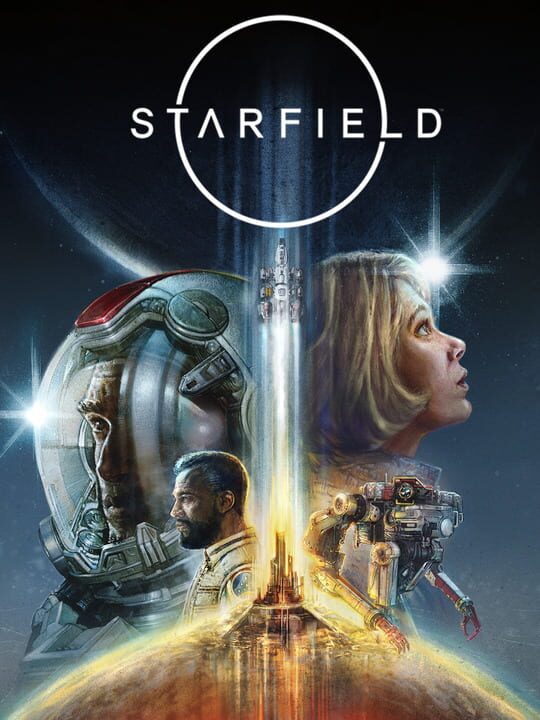
▲ Official Cover Art (Source: IGDB)
During a candid interview with Firezide Chat Gaming, Hines revealed that his decision to step away was rooted in a sense of powerlessness. He described a scenario where he felt unable to perform his core duty: protecting the developers and the unique culture that Bethesda had cultivated over decades. For players who have spent hundreds of hours in the Settled Systems, these behind-the-scenes shifts are more than just industry gossip; they represent a potential change in the DNA of how these massive worlds are built and maintained.
| Key Detail | Information |
|---|---|
| Game Title | Starfield |
| Subject | Pete Hines (Former VP of Marketing/PR) |
| Departure Year | 2023 |
| Key Collaborator | Todd Howard |
The Impact of Management Shifts on the Starfield Experience
The tension within Bethesda seemingly escalated following the massive Microsoft acquisition in 2020. Hines alluded to a period where he saw the studio being damaged and broken apart, using strong words like mistreated and abused to describe the atmosphere. For the gaming community, this raises alarms about the future of creative independence. When a studio known for its specific, often buggy but highly ambitious complexity is brought under a stricter corporate umbrella, the player-centric experimentalism often suffers.
▲ Official Artwork (Source: IGDB)
Hines was particularly transparent about the delays involving Starfield. He admitted that he had planned to leave a full year before he actually did, but every time Todd Howard delayed the game for polishing, Hines felt obligated to stay. This loyalty to the project and to Howard himself is perhaps the only reason the transition didn’t happen sooner. It suggests that the version of the game we ultimately played was shepherded by a leadership team that was effectively holding the line against external pressures that Hines felt were damaging the studio’s efficiency.
The Bethesda Complexity: Why It Matters to You
One of the most passionate points made by Hines was a defense of Bethesda’s technical philosophy. He argued that the studio deserves more respect for tackling levels of game complexity that other developers, including those behind titles like Red Dead Redemption 2, typically avoid. In the context of Starfield, this means a world where thousands of items have physics, persistent locations, and interlocking systems that allow for emergent gameplay. If the internal structure of the studio is being broken apart, gamers might see a future where these risky, complex systems are streamlined into safer, more generic experiences.
Maintaining a well-run, efficient publisher environment was Hines’ primary goal. He noted that before the changes, Bethesda was among the most efficient in the industry. The fear now is that the loss of veteran leadership who are willing to fight for a developer’s specific vision could lead to a decline in the unique jank-and-joy balance that makes Bethesda games a staple of the RPG genre. We are already seeing shifts in how ZeniMax subsidiaries report directly to Xbox leadership, a move that happened almost immediately after Hines walked out the door.
Pulse Gaming Perspective: Protect the Starfield Legacy at All Costs
The departure of Pete Hines isn’t just a corporate exit; it is a warning siren that the creative shield protecting Bethesda’s ambitious, systemic gameplay has been compromised. If the studio’s internal culture is genuinely being damaged, the deep, player-driven complexity we expect from future updates and expansions may be at risk.
As we look toward the future of the franchise, the insights shared by Andy Chalk at PC Gamer remind us that the games we love are the products of specific humans fighting for their vision. Hines’ exit marks the end of an era where marketing and development were aligned in their defense of Bethesda’s quirks. Now, it is up to the remaining veterans like Todd Howard to ensure that the spirit of the studio isn’t completely absorbed into a corporate machine that prioritizes safe metrics over systemic ambition.
Ultimately, the saga of Pete Hines and the launch of Starfield serves as a cautionary tale for the industry. It highlights the friction between massive corporate acquisitions and the preservation of a studio’s unique identity. Whether Bethesda can maintain its status as a premier developer of complex worlds without its long-time protector remains to be seen, but the community will certainly be watching every patch and expansion for signs of that fading magic.
Final Pulse Score: 7.5 / 10