
The Steam Beta Leak has exposed over a dozen terabytes of historical gaming data, uncovering an unprecedented look into PC game development spanning from 2003 through 2013. This massive repository contains virtually everything uploaded to the platform across its foundational decade, ranging from retail masters to unreleased internal test builds that were never intended for public distribution. For preservationists, modders, and hardcore PC enthusiasts, this sudden uncovering offers an unfiltered look into the mechanical evolution of legendary franchises and cancelled experimental projects.
| Archive Span | 2003 to 2013 Repository Data |
|---|---|
| Estimated Size | 12 to 13 Terabytes |
| Exposure Cause | Unprotected Legacy Storage Directory |
| Key Valve Builds | Portal 2 Betas, Left 4 Dead, CS GO, F-Stop |
| Third Party Builds | Mirror Edge 2007, Dragon Age, Spore, Batman |
Unearthing Hidden Valve Prototypes and Cut Gameplay Concepts
The contents uncovered inside the Steam Beta Leak provide invaluable insights into how iconic gameplay systems were iterated and refined behind closed doors. Among the most significant discoveries are early builds of Valve classics, including prototype sequences for Portal 2, pre-release branches of Left 4 Dead, and testing builds for Counter-Strike Global Offensive. The archive even houses developmental assets related to F-Stop, Valve cancelled experimental camera puzzle project that inspired mechanics across later internal experiments.
Early gameplay researchers dissecting the archive have already surfaced cut cinematic intros, developer debugging commands, and unused physics interactions. These raw artifacts reveal how developers balanced movement acceleration, level pacing, and engine rendering pipelines before reaching commercial gold status. Furthermore, persistent hints of early Half-Life developmental tests provide rare technical context on how Source engine toolsets evolved during the late 2000s.
Spillover into Third Party Development Histories
Beyond first-party Valve titles, the historical scope of the Steam Beta Leak encompasses major third-party releases from key industry publishers. Early depot listings confirm the presence of unreleased testing builds for titles such as Dragon Age Origins, early developmental milestones of Batman Arkham Asylum, and mid-development iterations of Vampire The Masquerade Bloodlines. Unfiltered codebases like these show the iterative trial-and-error that defined multiplatform game development during the seventh console generation.
Action and platforming enthusiasts have also identified early 2007 prototypes for Mirror Edge, alongside pre-release testing builds of Call of Duty 4 Modern Warfare and EA Spore. Exploring these early builds highlights cut locomotion mechanics, unfinished user interfaces, and omitted sandbox systems that developers pruned prior to retail certification. Such findings demonstrate how optimization constraints shaped final game balances and systemic rules across the wider PC ecosystem.
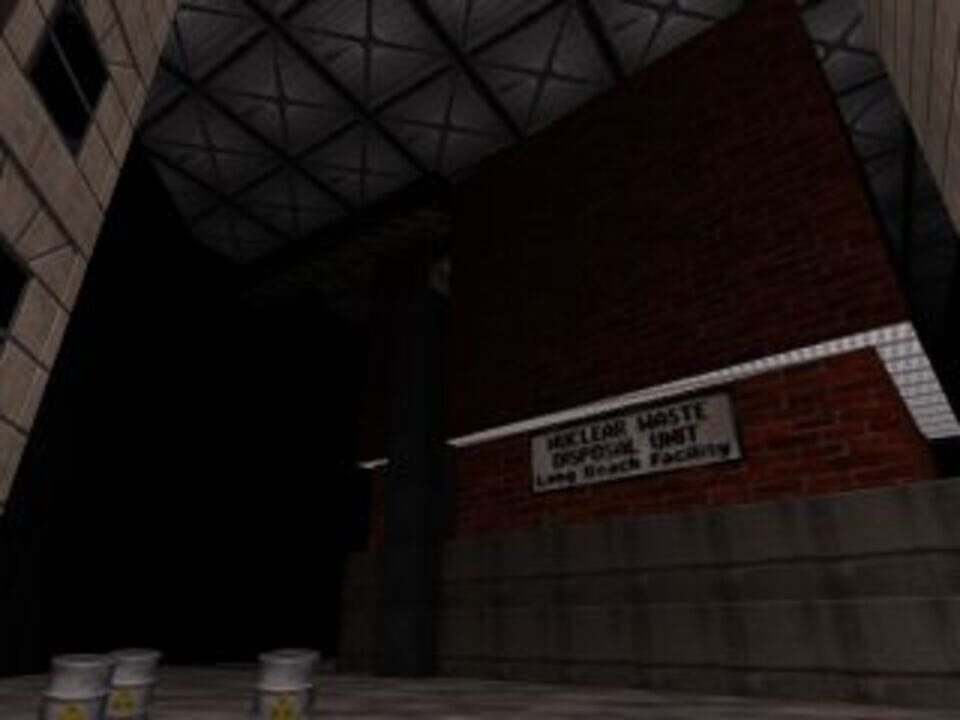
▲ Gameplay & Official Media (Source: IGDB)
Technical Exposure and Community Dissection
Unlike conventional modern data breaches driven by external intrusions, this historical exposure stems from unprotected legacy server configurations that remained accessible after infrastructure migrations in 2013. Because the directory retained public availability without authentication barriers, the decade-long repository was preserved in its raw depot structure. Independent researchers and archival communities have begun systematically cataloging thousands of individual packages to reconstruct uncompiled assets and analyze historical gameplay mechanics.
As modding communities analyze these developmental branches, many are discovering uncompressed sound files, alternate multiplayer balance numbers, and prototype level layouts. These discoveries are expected to fuel community preservation patches, engine modifications, and deeper retrospectives on how classic mechanical frameworks matured during the transition into digital storefront dominance.
The Steam Beta Leak establishes an extraordinary technical foundation for video game preservation.
Accessing raw, uncompressed prototypes from 2003 to 2013 provides unprecedented clarity on iterative design philosophies and engine optimization techniques. Rather than relying on developer recollections, researchers can directly analyze the code, physics balancing, and cut mechanics that shaped modern PC gameplay design. This treasure trove offers immense historical value for understanding game development pipelines.
Final Pulse Score: 9.2 / 10