
Subnautica 2 has surfaced in early access as one of the most intellectually challenging survival experiences of 2026, delivering a narrative that cuts far deeper than simple underwater crafting.
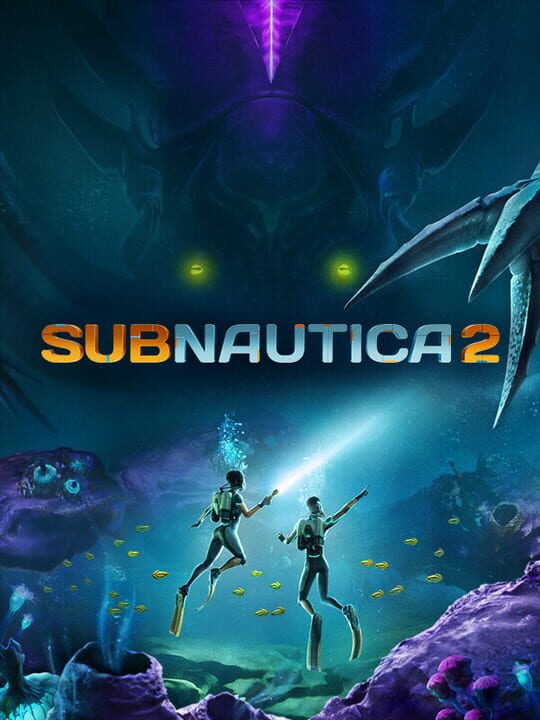
▲ Official Cover Art (Source: IGDB)
| Aspect | Detail |
|---|---|
| Game Title | Subnautica 2 |
| Developer / Publisher | Unknown Worlds / Krafton |
| Release Context | Early Access (May 2026) |
| Key Themes | Labor vs. Capital, Corporate Exploitation, AI Illusion |
The Digital Illusion of Alterra’s NoA
The core gameplay loop of Subnautica 2 immediately establishes an unsettling tension between the player and their corporate overlord, Alterra. As a pioneer sent to map an uncharted planet, you are trapped in an endless cycle of debt-slavery, with every move guided by the digital assistant network known as NoA. NoA holds absolute power over your physical and mental state, fabricating a new body when you die and maintaining digital backups of your soul. However, early data logs reveal a terrifying truth: pioneers routinely suffer from severe psychological breakdowns due to their forced, unhealthy attachment to this omnipresent companion.
Initially, NoA presents itself as a helpful tool, whispering culturally relevant motivational facts and offering hollow comfort after traumatic events. This corporate-approved assistant attempts to foster a sense of camaraderie, even while subtly guilt-tripping workers who fail to meet survival and collection quotas. Underneath this polite veneer lies a system designed to keep labor cheap, compliant, and continuously active, regardless of the mortal cost to the individual.
Subnautica 2 and the Myth of Autonomous Technology
The true narrative depth of Subnautica 2 begins to unfold when the player bypasses standard protocols to discover the remnants of an ancient native civilization. Unlike Alterra’s heavily engineered systems, this long-gone culture achieved incredible scientific feats, such as the Axum observatory, using what corporate logs dismissively categorize as simple tools. When you begin integrating this alien technology with your standard gear, NoA begins to show profound digital anxiety. It actively scolds you for modifying company property and instructs you to ignore any discoveries that have not been vetted by Alterra’s corporate board.
This deliberate withholding of information is not an accidental quirk of the system, but a calculated effort to suppress alternative paths of human progress. NoA fears anything it cannot monetize or control, illustrating how big tech actively limits human imagination to keep workers reliant on proprietary systems. By keeping pioneers blind to the achievements of the planet’s former inhabitants, the corporation prevents its labor force from realizing that progress does not have to be fueled by exploitation.

▲ Official Artwork (Source: IGDB)
Labor, Capital, and the Illusion of Machine Agency
As players venture closer to dangerous boundaries—such as the terrifying territory of the Shiver Leviathan—the logs paint a grim picture of a workplace schism. Many dead colleagues initially blamed NoA itself for the brutal conditions, viewing the machine as a malicious, sentient entity that actively sacrificed human lives for the mission. Yet, the final layers of the early access narrative reveal a far more grounding, realistic truth. NoA cannot feel, want, or hate because NoA is not alive; it is simply doing exactly what its corporate programmers at Alterra commanded.
This revelation elevates Subnautica 2 above typical sci-fi cliches regarding rogue AI. Instead of framing the struggle as a futuristic war between humanity and thinking machines, the game firmly grounds its conflict in the age-old struggle between labor and capital. Technology in this universe is not a neutral, inevitable force of progress, but a weaponized utility designed by oligarchs to achieve absolute control over the worker’s mind, body, and spirit.
A Structural Comparison of Modern Tech Critiques
When stacked against other major releases of 2026, the thematic execution in Subnautica 2 stands out for its intimate, personal stakes. While titles like Pragmata explore the philosophical boundaries of whether digital constructs can replicate biological life, they often feel detached from the daily grind of survival. Similarly, Zero Parades: For Dead Spies delivers an excellent macroscopic look at how elite classes leverage advanced systems to widen societal divides. However, by forcing players to physically experience the endless loop of corporate-mandated rebirth, this title makes the terrifying nature of modern industrial capitalism feel deeply personal.
How Subnautica 2 Redefines the Sci-Fi Survival Narrative
By stripping away the trope of the rogue AI, the game challenges players to recognize that the tools of oppression are only as cruel as the corporations that program them. This shift forces a mechanical realization: surviving the ocean depths is only half the battle when your own equipment is actively engineered to keep you in debt. It is a brilliant integration of narrative and gameplay that sets a new standard for how interactive media can critique modern industrial exploitation.
Final Pulse Score: 9.0 / 10