
The Lost Wild is positioning itself as a revolutionary shift in the survival horror genre, challenging players to survive in a world where they are no longer the apex predator. Developed by Great Ape Games, a studio comprised of industry veterans, this title moves away from the traditional power fantasies found in many dinosaur-centric games. Instead of arming players to the teeth, the experience emphasizes stealth, environmental awareness, and a profound respect for the creatures inhabiting its mysterious archipelago. By leveraging the expertise of creative minds who previously defined the horror landscape, the project aims to deliver a level of immersion that feels both primal and terrifyingly modern.
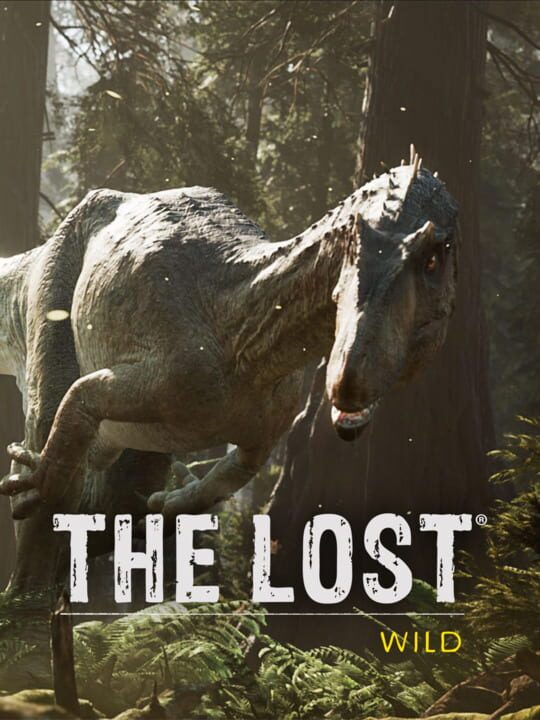
▲ Official Cover Art (Source: IGDB)
| Feature | Details |
|---|---|
| Developer | Great Ape Games |
| Creative Director | Gary Napper |
| Protagonist | Saskia |
| Platforms | PlayStation 5 |
| Release Window | 2027 |
| Genre | Survival Horror / Stealth |
The Design Philosophy Behind The Lost Wild
Much of the anticipation surrounding this title stems from the involvement of Gary Napper, whose work on previous landmark horror titles has deeply influenced the mechanics of this project. The core design philosophy focuses on restraint and the psychological weight of the unknown. Unlike games that rely on scripted jump scares, the horror here is systemic. The dinosaurs are treated as believable animals with their own instincts and behaviors rather than mere monsters. This creates a dynamic environment where the player’s safety is never guaranteed, and every encounter requires careful observation of the creature’s mood and intent.
This approach to horror design means that the dinosaurs are unpredictable. One moment, a predator might be focused on its own prey, and the next, it might sense your presence in the undergrowth. The sense of dread is amplified because the player is often left to their own imagination, wondering where the next threat will emerge. By allowing the world and its systems to breathe, the game creates a high-stakes atmosphere where the lack of traditional weaponry forces a deeper connection with the survival mechanics and the environment itself.
Why Players Must Respect the Creatures in The Lost Wild
A central pillar of the experience is the idea that players should feel like they shouldn’t fight back, even when faced with extreme danger. This moral and mechanical friction is intended to foster a sense of “respect” for the dinosaurs as living beings within a complex ecosystem. As Saskia, you are an outsider on an island of scientific ruins, navigating a food chain where humans have no inherent authority. This shift in perspective is a bold departure from the status quo, aligning with a growing appetite for experiences that prioritize vulnerability and cleverness over brute force.
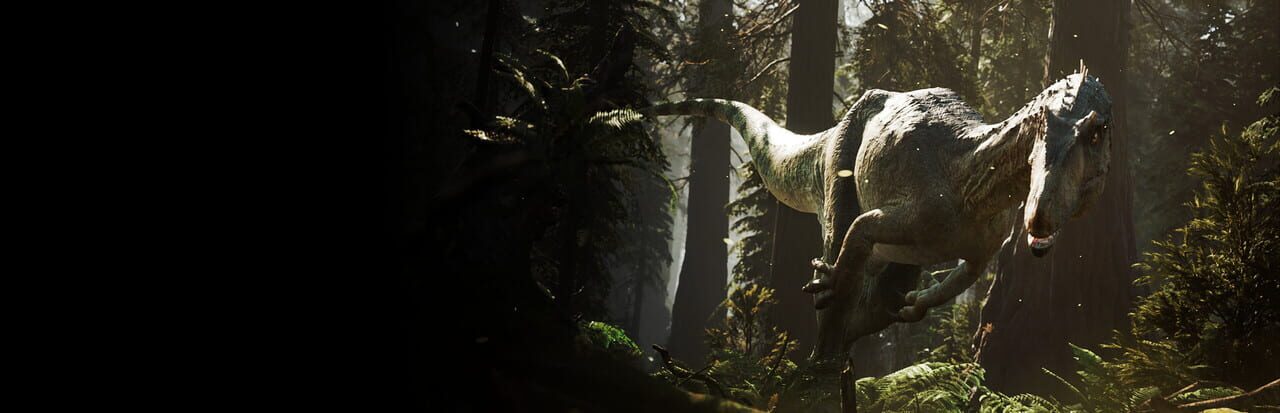
▲ Official Artwork (Source: IGDB)
Mastery of Stealth and Environmental Tools
In the absence of a lethal arsenal, players must master the art of distraction and environmental manipulation to navigate the archipelago. The game offers a wide variety of prehistoric life, from pack hunters and massive building-sized predators to smaller, more inquisitive species that might shadow your movements. Every dinosaur type presents a unique challenge that requires a specific tactical response. For instance, using the terrain to break line of sight or creating noise to lure a predator away from a critical path becomes essential for progression. This emphasis on non-lethal interaction ensures that the tension remains high throughout the journey.
The Terrifying Realism of Prehistoric Predators
The visual and behavioral fidelity of the animals in this world is a testament to the developer’s commitment to realism. One of the most chilling examples seen in recent updates is the terrestrial behavior of the Quetzalcoatlus. Rather than being confined to the skies, this massive creature stalks misty woodlands on all fours, subverting player expectations and creating a unique form of terrestrial dread. By treating these animals as systemic entities with unpredictable AI, the game ensures that no two playthroughs feel identical. This biological realism makes the world feel alive and reinforces the player’s role as a fragile visitor in an ancient, unforgiving landscape. For more information on the game’s direction, you can visit the Official PlayStation Update.
The Lost Wild transforms the dinosaur subgenre into a sophisticated psychological experiment.
By stripping away the ability to kill, the game forces players to engage with AI as living creatures rather than targets. This mechanical empathy, combined with the proven tension-building techniques of veteran horror designers, suggests an experience that will prioritize atmosphere and dread over cheap thrills. It is a bold move that could finally provide the mature, high-stakes dinosaur survival experience that the industry has been missing for years.
Related Article: Alien Isolation 2 Teaser Analysis
Related Article: Subnautica 2 Non-Violence Gameplay Update
Final Pulse Score: 8.8 / 10