
The Mound: Omen of Cthulhu is set to challenge cooperative horror fans by blending the tense, level-based pacing of Left 4 Dead with the high-stakes risk of modern extraction shooters. Developed by the eccentric Chilean studio Ace Team, this historical nightmare transports players to 17th-century South America. Stepping into the mud-stained boots of Spanish explorers, players must navigate a dense, hostile jungle teeming with supernatural dread. The core gameplay loop hinges on survival, greed, and a deteriorating sense of reality that threatens to tear cooperative squads apart from the inside out.
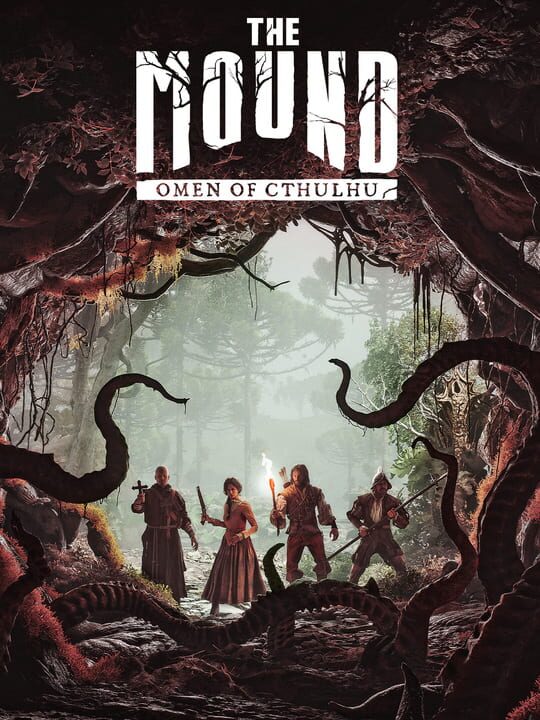
▲ Official Cover Art (Source: IGDB)
| Developer | Ace Team |
| Publisher | Nacon |
| Genre | Cooperative Extraction Shooter |
| Release Date | July 15, 2026 |
| Target Platform | PC (Steam) |
How The Mound: Omen of Cthulhu Rewrites Lovecraftian Lore
While classic cosmic horror usually lingers in dusty New England libraries or foggy coastal towns, this project relocates the dread to colonial South America. By adapting H.P. Lovecraft’s original novella, which was set in 1920s Oklahoma, the developers have crafted a completely unique historical setting. Players operate from a central galleon ruled by an avaricious captain, launching dangerous rowboat expeditions to the mainland in search of gold, relics, and essential resources like Dihuene mushrooms. This historical framing adds a layer of colonial hubris to the gameplay, as the characters’ blind greed directly triggers the wrath of the ancient sleeping jungle.
The developer’s cultural background adds genuine weight to this historical shift. Having previously crafted highly surreal worlds, the team is uniquely positioned to handle the bizarre geometries and grotesque biology of cosmic horror. Furthermore, their perspective as a South American studio allows them to reframe the typical Eurocentric explorer narrative with a healthy dose of historical irony, making the characters’ desperate struggle for survival feel both earned and incredibly atmospheric.
Sanity Mechanics and Left 4 Dead Influence in The Mound: Omen of Cthulhu
At its heart, the gameplay of The Mound: Omen of Cthulhu relies on a dynamic, reactive environment that behaves like an active antagonist. Much like the AI Director that governed the pacing of Valve’s classic zombie shooter, the jungle in this game functions as a sleeping presence. Quiet, stealthy exploration keeps the threat manageable, but loud firefights, lingering too long, and aggressive harvesting will wake the environment up. Once awakened, the map transitions into a chaotic gauntlet where the dead rise, giant bats swarm players, and ancient wrigglebeasts stalk the party from the shadows.
▲ Official Artwork (Source: IGDB)
What truly elevates the tension beyond standard cooperative shooters is the insidious sanity system. As exposure to cosmic corruption deepens, players experience severe visual and auditory hallucinations that directly impact gameplay. You might see solid ground where a teammate sees a deadly spike pit, or find yourself shooting at a lunging monster, only to realize you have accidentally struck down your squad’s priest. This erosion of shared reality forces players to constantly communicate and second-guess what they see on their screens, turning simple navigation into a psychological puzzle.
Navigating the Risks of a Troubled Launch Window
Despite the incredible promise of its gameplay mechanics, the title faces some external headwinds leading up to its release. Its publisher filed for insolvency earlier in February, raising questions among the community about post-launch support and marketing reach. However, with a playable demo currently available on Steam, the sheer mechanical creativity on display suggests that the game has the raw appeal to find a dedicated audience of cooperative shooter enthusiasts who crave something far more complex than simple target practice.
The Mound: Omen of Cthulhu challenges cooperative trust through psychological hallucination mechanics
By forcing players to experience different realities on the same map, the game brillianty weaponizes the extraction genre’s natural paranoia. This mechanical execution of cosmic madness ensures that teamwork is not just about firepower, but about deciphering what is real in a shifting, hostile landscape.
Final Pulse Score: 8.2 / 10