
The Sinking City 2 shifts the franchise away from open world investigation into a focused survival horror experience set within H. P. Lovecraft atmospheric 1920s universe. Developed as an evolution of its ambitious predecessor, the sequel trades sprawling urban exploration for tight corridors, puzzle-filled interiors, and deliberate combat encounters. Players step into the shoes of occult adventurer Calvin Rafferty as he navigates a flooded Arkham to save his comatose partner Faye Bennett. While this mechanical pivot solves several pacing issues that plagued the original title, it also brings a distinct set of trade-offs that reshape the identity of the series.
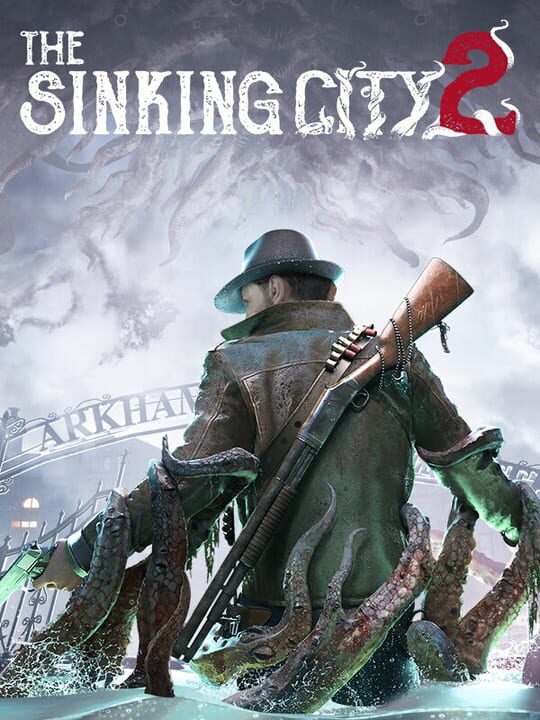
▲ Official Cover Art (Source: IGDB)
| Attribute | Detail |
|---|---|
| Developer | Frogwares |
| Genre | Survival Horror |
| Setting | 1920s Flooded Arkham |
| Protagonist | Calvin Rafferty |
| Campaign Length | Under 15 Hours |
| Core Inspiration | Classic Survival Horror Mechanics |
From Sprawling Detective Sandbox to Tight Survival Horror in The Sinking City 2
The transition in The Sinking City 2 from an overstretched detective sandbox to constrained survival horror represents a decisive design pivot. The original entry struggled under the weight of repetitive urban layouts and diluted tension across vast flooded streets. By stripping away mundane motorboat travel and empty filler, this sequel channels classic survival horror fundamentals. Players navigate tight, atmospheric environments ranging from decaying urban ruins to eerie hospital corridors, dealing with acute resource scarcity and puzzle locks at every turn.
Combat receives a notable upgrade with snappy, responsive controls, dedicated dodge mechanics, and tactical enemy manipulation. Players can bait grotesque worm-puppeted corpses into charging, sidestep incoming blows, and punish recovery windows with melee strikes to conserve precious handgun rounds. Gone are the clunky stealth mechanics and sanity meters that cluttered the original release. Calvin stands his ground against eldritch abominations, streamlining the moment-to-moment gameplay loop into pure, reactive survival encounters.
Inventory Management and Investigation Mechanics in The Sinking City 2
Resource management plays a central role throughout the campaign, utilizing a grid-based inventory system where every item demands valuable real estate. Players must constantly weigh the necessity of heavy weaponry against crucial healing supplies, crafting components, and oversized quest keys. While the tension of safe room item storage creates genuine stakes, the crafting system occasionally feels like needless filler. Finding raw chemicals and herbs to combine into medicine often clutters bags without adding significant strategic depth to the resource economy.
Investigation elements have also been dramatically reconfigured. The detective heritage that once defined the franchise is largely minimized, reducing the signature Mind Palace mechanic to an intuitive clue-linking tool for opening combination safes and solving environmental puzzles. Calvin is an occult adventurer rather than a forensic detective, meaning players spend less time piecing together complex murder cases and more time managing ammunition against horrifying mutated threats across claustrophobic interiors.
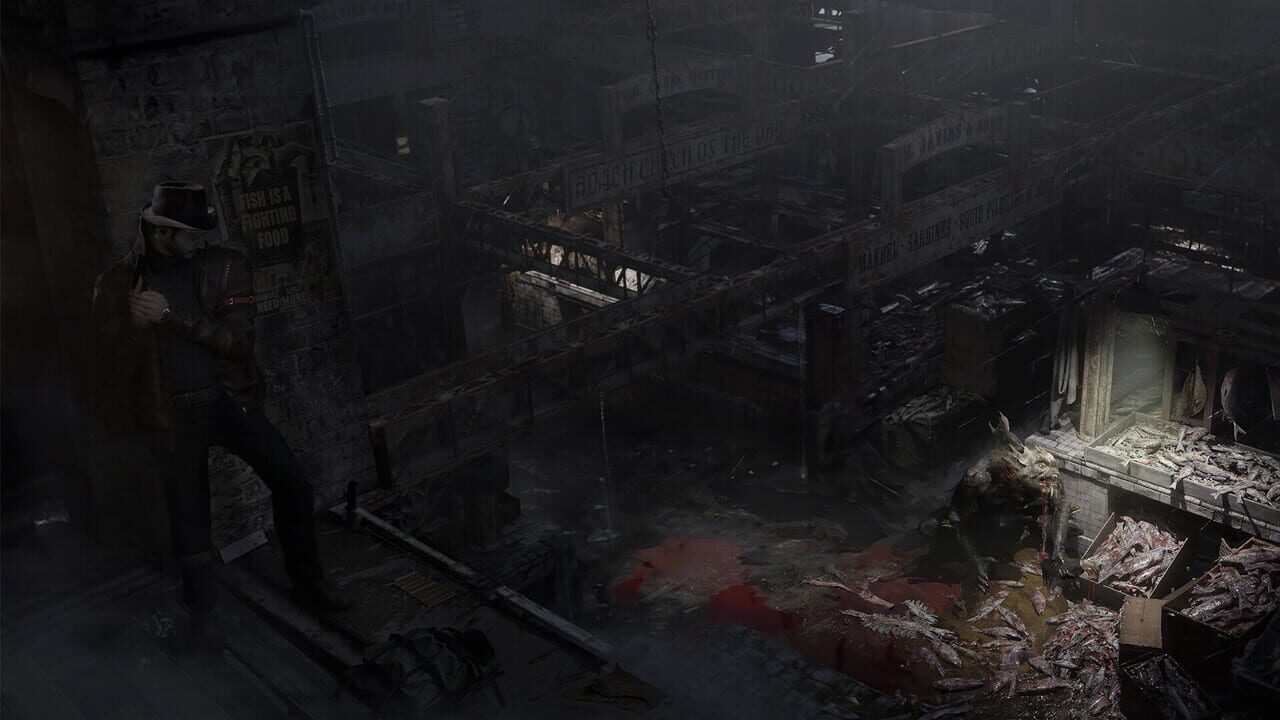
▲ Gameplay & Official Media (Source: IGDB)
Linear Progression and Campaign Pacing
Where The Sinking City 2 falters is in its structural momentum and narrative payoff. After an engaging opening act navigating flooded Arkham by boat, the game quickly transitions into linear interior levels, completely locking off previous districts. Players are unable to return to explore missed side quests or uncover deeper lore regarding surviving NPCs left behind in the floodwaters. Furthermore, the brief glimpses into the supernatural Dreamlands leave lingering narrative threads unresolved before rushing toward an abrupt conclusion that wraps in under 15 hours.
The Sinking City 2 establishes a tighter mechanical foundation but cuts exploration short
By pivoting toward established survival horror conventions, the sequel successfully eliminates the pacing bloat that hindered the original release. The refined combat, grid management, and eerie 1920s atmosphere deliver satisfying genre thrills across constrained corridors. However, sacrificing deep investigative mechanics and prematurely abandoning its flooded city limits the game from reaching its full Lovecraftian potential.
Final Pulse Score: 7.2 / 10
Related Article: The Sinking City 2 Survival Horror Analysis