
The Witcher Remake has officially entered a temporary holding phase while production dependencies align with the broader technology stack established for the franchise. Developer Fool s Theory has temporarily integrated its remake pipeline into the core development cycle of the next mainline entry, ensuring both projects share cutting-edge assets, combat systems, and world-building frameworks. This calculated pause guarantees that the reimagining of Geralt s first adventure will leverage the full power of modern rendering pipelines rather than relying on interim tech.
▲ Official Cover Art (Source: IGDB)
| Attribute | Production Detail |
|---|---|
| Current Status | Temporarily On Hold for Pipeline Alignment |
| Primary Developer | Fool s Theory |
| Overarching Supervisor | CD Projekt Red |
| Core Engine Architecture | Shared Next-Gen Pipeline |
| Expected Window | Post-2028 Timeline |
Shared Engine Pipelines Shift Production Priorities
The decision to halt active iteration on The Witcher Remake stems directly from fundamental engineering dependencies. Rather than building bespoke assets and locomotion systems in isolation, Fool s Theory is dedicating key personnel to supporting the next mainline entry while simultaneously finalizing content for the upcoming Wild Hunt expansion. By contributing directly to core franchise tech, the studio ensures that every environmental shader, combat physics module, and quest scripting tool engineered for the next generation can be ported seamlessly into the classic title s remake.
Building an open-world role-playing experience requires robust streaming architecture and modernized world traversal mechanics. Because the original adventure featured rigid area zoning and restrictive combat pacing, rebuilding the kingdom of Temeria as a contiguous landscape demands substantial engineering investment. Pausing early content construction allows the team to avoid costly structural redesigns later, ensuring all environmental and quest assets match the mechanical density players expect from contemporary role-playing epics.
Technical Foundations Tied to Future Installments
Engineering synergy across multiple massive role-playing projects represents a pragmatic shift in production methodology. Fool s Theory is actively mastering the specialized toolsets and automated scripting systems currently being forged for the broader saga. This hands-on collaboration ensures that when full development resumes on The Witcher Remake, the development team will possess complete fluency with modern rendering pipelines, optimized streaming tech, and advanced character deformation models.
This shared technical baseline eliminates the friction often encountered when external studios attempt to modernize legacy combat mechanics. The original adventure relied on timed rhythmic clicking and rigid stance switching, systems that require total modernization rather than simple graphical enhancements. By inheriting responsive combat mechanics and traversal systems directly from the overarching production pipeline, the reimagined classic will deliver fluid swordplay and impactful magical combat that feels natively modern.
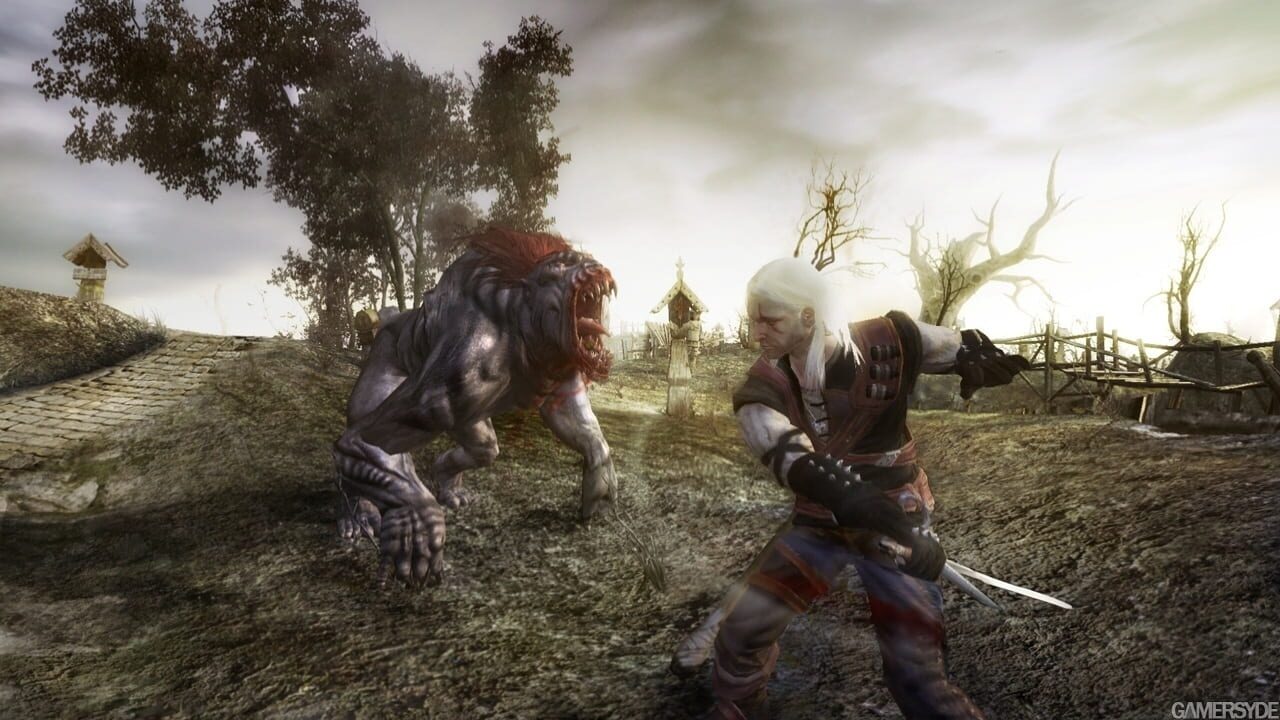
▲ Gameplay & Official Media (Source: IGDB)
Gameplay Reconstruction and Long Term Franchise Roadmap
With the next mainline chapter currently targeting a 2028 debut, realistic expectations place The Witcher Remake beyond that initial release window. This prolonged timeline serves the mechanical design well, granting developers ample headroom to excise outdated systems while dramatically expanding iconic locations like the Vizima outskirts and the swamp ruins. Transforming these fragmented zones into a dynamic, seamless sandbox demands sophisticated memory management and intelligent non-player character schedules.
Rather than rushing an unpolished iteration to market, this strategic alignment protects the experiential value of Geralt s origins. Players can anticipate a fully realized ecosystem featuring organic wildlife behavior, responsive weather interactions, and complex monster hunting investigations that match modern systemic standards. The pause reflects a commitment to structural excellence, ensuring the final release stands shoulder to shoulder with the franchise s absolute finest entries.
Shared production architecture ensures The Witcher Remake avoids technical debt and outdated design
Aligning modern toolsets with overarching franchise development prevents redundant engineering and elevates mechanical polish. While this delays the return to Vizima past 2028, the resulting open-world exploration and revamped combat mechanics will deliver a truly modern role-playing experience.
Final Pulse Score: 8.5 / 10