
Thief is a name that carries immense weight in the halls of stealth gaming history, yet few realized how close the industry came to a complete reimagining of the franchise by the masters of the immersive sim. While the shadows of the City have remained largely silent over the last decade, recent deep-dives into development history reveal that the team at Arkane Studios was once positioned to revive the legendary Thief franchise. This intersection of design philosophies represents one of the most significant ‘what-if’ scenarios in modern gaming, ultimately leading to the creation of the Dishonored series when the original licensing deals shifted. For those who value mechanical depth and emergent gameplay, the prospect of a modern Thief game developed by the architects of Dunwall remains a tantalizing piece of lost history.
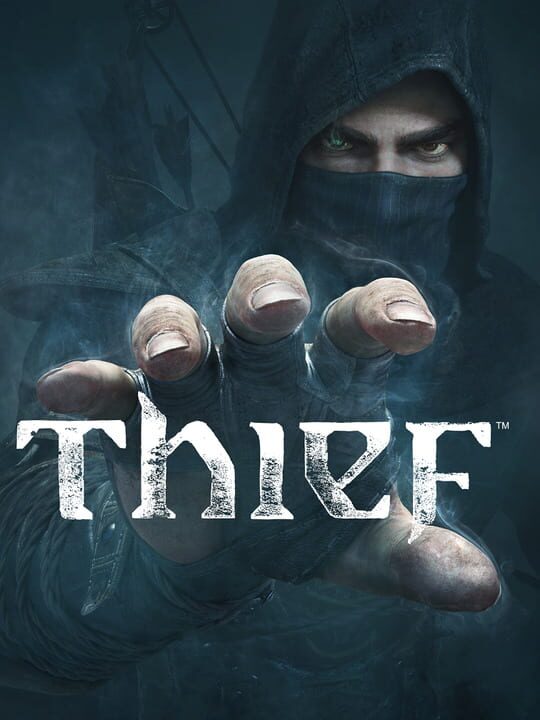
▲ Official Cover Art (Source: IGDB)
| Feature | Details |
|---|---|
| Project Origin | Original Pitch for Thief 4 / Blade Runner |
| Key Creative Leads | Raphael Colantonio and Harvey Smith |
| Spiritual Outcome | Dishonored (Released 2012) |
| Latest Genre Successor | Thick as Thieves (Released May 2026) |
| Legacy Influence | Immersive Sim Design and Verticality |
The Intersection of Thief and Dishonored Mechanics
The core DNA of Arkane’s design philosophy is fundamentally linked to the non-linear progression found in the original Thief games. During the early stages of their partnership with Bethesda, the studio was presented with two massive bags of ‘catnip’: the chance to work on either a Blade Runner title or a new entry for the master burglar, Garrett. While the directors were split on their personal preferences, the pitch for a new stealth-focused epic was built on the foundation of player agency and environmental interaction. This creative tension eventually channeled into what we now know as Dishonored, but the initial intent was to lean even harder into the purist stealth mechanics of the late 90s.
Even though the project transitioned into an original intellectual property, the recruitment of Stephen Russell—the iconic voice of Garrett—for later roles proved that the studio never truly let go of its inspirations. The way sound propagation and light levels function in these titles is a direct evolution of the systems pioneered in the early days of the genre. Had the pitch for Thief 4 proceeded as originally intended, we likely would have seen a much more grounded, atmospheric take on the series that prioritized the ‘ghost’ playstyle over the high-chaos combat options that eventually defined Arkane’s later works.
Why the Arkane Pitch for Thief Matters Today
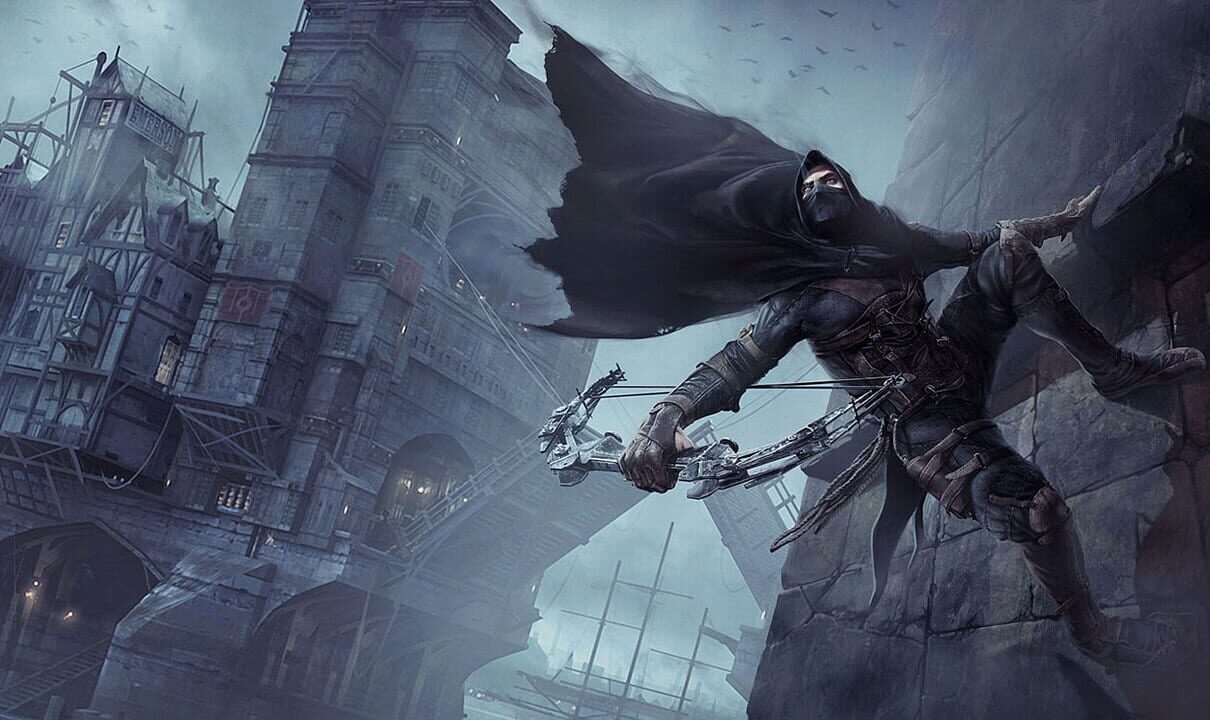
▲ Official Artwork (Source: IGDB)
Looking back from May 2026, the ripple effects of this lost pitch are still felt throughout the stealth meta. The actual fourth entry in the series, developed by other teams, was often criticized for its restrictive level design and lack of the ‘soul’ that defined the first two masterpieces. In contrast, the freedom offered in Arkane’s level design is exactly what fans were clamoring for in a true sequel. The revelation that an ‘amazing pitch’ existed suggests that the technology of the time was finally ready to realize the complex verticality and systemic interactions that the original developers could only dream of in the software rendering era.
Analyzing the Modern Stealth Landscape
The current market in 2026 shows a persistent hunger for these types of experiences, as evidenced by the release of Thick as Thieves earlier this month. While new developers are attempting to fill the void, they often struggle to match the tight mechanical loops and world-building of the masters. If the Thief pitch had been greenlit, it might have solidified the stealth genre as a AAA powerhouse rather than the niche, albeit beloved, category it currently occupies on high-end hardware like the PlayStation 5 Pro and modern PC rigs.
The Legacy of the Master Burglar
The transition from a licensed project to a new world allowed the developers to experiment with supernatural abilities and the Chaos system, but it also meant leaving behind the specific gothic-industrial atmosphere of the City. A true successor to Thief requires a specific blend of vulnerability and empowerment that is rarely achieved. As we analyze the state of immersive sims today, the Arkane pitch stands as a reminder that the best games often come from a place of deep reverence for the past, even when they are forced to forge a new path forward.
The legacy of Thief continues to shape the stealth meta
The revelation of Arkane’s lost pitch confirms that the transition from classic stealth to modern immersive sims was intentional rather than accidental. While we lost a direct sequel, the genre gained a more flexible framework in Dishonored. As we navigate the current 2026 gaming landscape, the demand for high-fidelity shadow mechanics remains the primary driver for innovation in stealth-focused titles.
Final Pulse Score: 9.2 / 10