
Tiny Tina’s Wonderlands Sequel development assets have surfaced online, offering players an unexpected glimpse into the ambitious fantasy looter shooter projects previously brewing behind closed doors. Work-in-progress materials showcasing unreleased builds from partner studio Lost Boys Interactive suggest that Gearbox actively explored expanding its chaotic tabletop spin-off alongside a long-dormant tactical shooter franchise. The discovery provides rare insight into early mechanical experiments and world design before major studio realignments altered project trajectories.
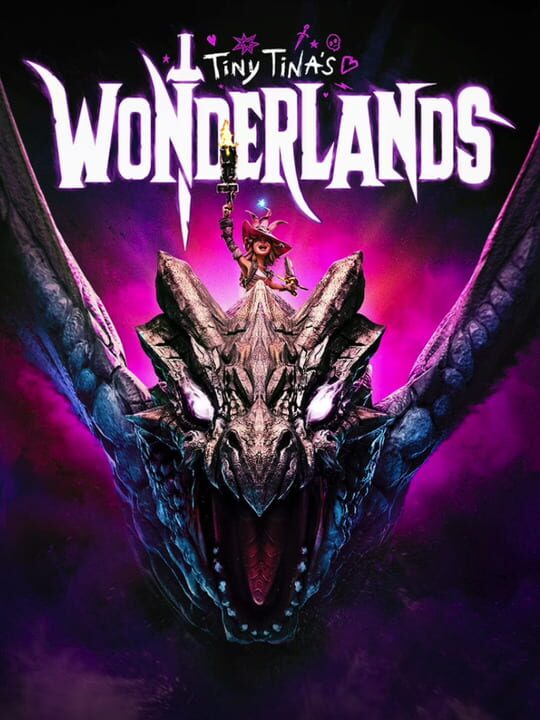
▲ Official Cover Art (Source: IGDB)
| Project Status | Unannounced Early Build Leak |
| Primary Genre | Fantasy Looter Shooter |
| Development Support | Lost Boys Interactive |
| Franchise Lineage | Borderlands Universe |
| Target Platforms | PC and Current-Gen Consoles |
Fantasy Looting Evolution in the Tiny Tina’s Wonderlands Sequel
When the original spin-off debuted, it carved out a distinct identity by replacing traditional grenade slots with cooldown-based spellcasting and introducing multi-class character builds. Following that critical and commercial reception, anticipation around a potential Tiny Tina’s Wonderlands Sequel grew significantly among players seeking deeper role-playing customization. The newly surfaced developmental assets highlight early exploration into expanded fantasy biomes, distinct enemy archetypes, and refined melee weapon systems designed to bridge the gap between first-person shooting and action RPG combat.
Technical frameworks within the leaked materials indicate that the Tiny Tina’s Wonderlands Sequel aimed to push dynamic spellcrafting synergies even further. Rather than treating fantasy elements as mere visual reskins of standard sci-fi ordinances, early design philosophies emphasized branching skill interactions and environmental status effects. Players who loved the chaos of combining elemental enchantments with high-velocity gunplay would have found a substantially broadened loot pool focused on hybrid combat builds.
The Fate of Tactical Combat and Classic Franchises
Alongside the fantasy spin-off materials, unreleased assets for a new Brothers in Arms entry also emerged, reigniting discussions around tactical squad-based combat in modern gaming. Unlike the frantic, damage-number-heavy combat loop of looter shooters, Brothers in Arms historically prioritized authentic historical squad commands, flanking maneuvers, and suppressive fire mechanics. Seeing developmental footprints for both titles highlights how studio teams balanced high-fantasy experimentation with grounded military tactics across different development pipelines.
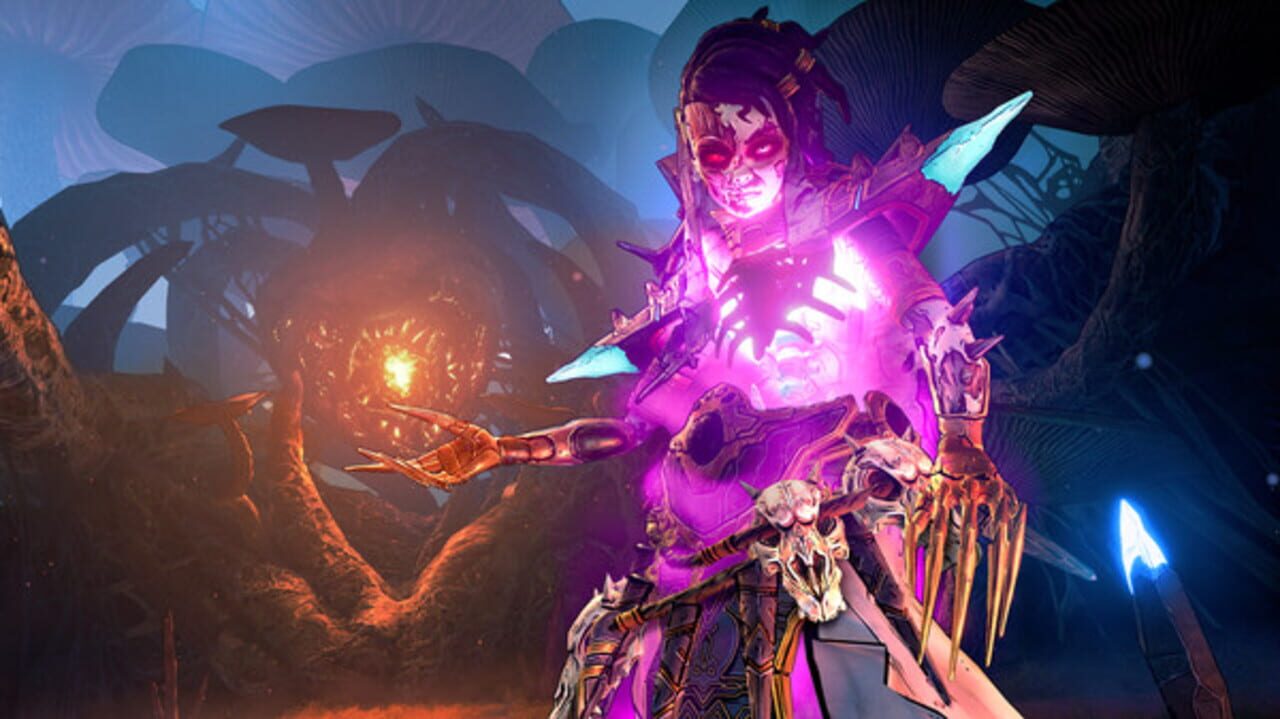
▲ Gameplay & Official Media (Source: IGDB)
The simultaneous appearance of these projects underscores how rapidly production priorities shift across modern development cycles. When secondary projects encounter structural shifts or refocusing around primary releases like Borderlands 4, experimental spin-offs frequently face shelving or total conceptual overhauls. For players, discovering these unreleased builds serves as a bittersweet look at tactical squad gameplay and magical looter mechanics that never made it to the final polish stage.
What Leaked Assets Reveal About Future Spin-Off Potential
Even if these specific prototype builds never see commercial store shelves, the leaked concepts behind the Tiny Tina’s Wonderlands Sequel demonstrate that player interest in hybrid fantasy shooters remains exceptionally high. Modern gaming audiences continually reward mechanics that break away from formulaic gunplay, favoring creative systems like customizable Chaos Chambers and modular class synergies. The core ideas developed during these early stages frequently find new life in future downloadable expansions or spiritual successors.
As development pipelines adjust to current-generation hardware demands, the creative experiments showcased in these early builds will likely influence how future collaborative studios approach cooperative shooter design. Whether Gearbox revisits tabletop fantasy mechanics down the line or repurposes squad command AI, these uncovered assets prove that ambitious gameplay innovation was actively underway behind the scenes.
The gameplay legacy of the Tiny Tina’s Wonderlands Sequel highlights the high demand for hybrid fantasy mechanics.
While early production builds often disappear during major studio reorganizations, the gameplay experiments seen here prove that fantasy magic and looter shooter gunplay remain a winning formula. If Gearbox chooses to revisit these concepts, refining spell synergies and melee builds will be vital to matching player expectations. Fans of unconventional spin-offs can only hope these creative systems find life in upcoming projects.
Final Pulse Score: 8.0 / 10