
Tomb Raider Catalyst has seemingly slipped its planned release window and is now targeting a launch in 2028. This unexpected timeline shift emerged during a recent discussion regarding the publisher’s upcoming portfolio strategy. The game, which serves as the highly anticipated fourteenth mainline entry in the legendary franchise, was previously slated for a 2027 arrival. Players tracking the franchise must now recalibrate their expectations as the release pipeline shifts to accommodate a more spaced-out launch calendar for the iconic heroine’s next adventures.
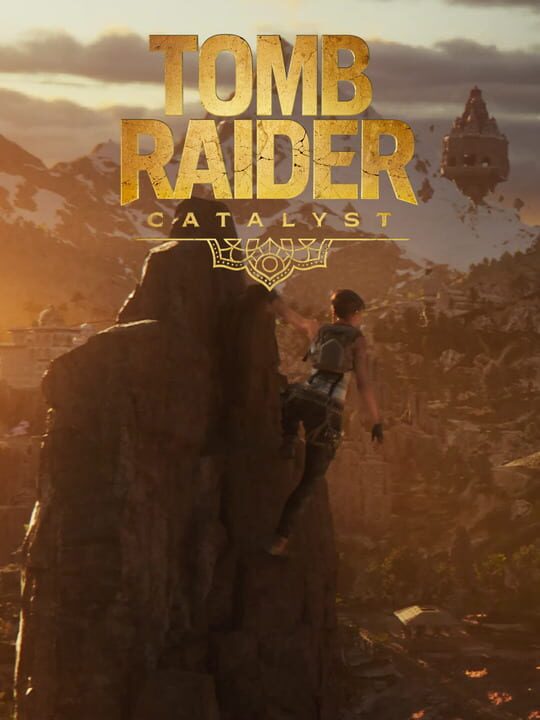
▲ Official Cover Art (Source: IGDB)
| Attribute | Detail |
| Main Title | Tomb Raider Catalyst |
| Developer | Crystal Dynamics |
| Publisher | Amazon Games |
| Setting | Northern India |
| Chronological Position | Sequel to Tomb Raider: Underworld (2008) |
| Current Release Target | 2028 |
| Sister Title | Tomb Raider: Legacy of Atlantis (February 12, 2027) |
Tomb Raider Catalyst Postponed as Publishing Strategies Shift
The sudden shift in timing was brought to light by the general manager of gaming at Amazon, who confirmed that the next major installment will follow in 2028. This represents a significant adjustment from previous official communications that pointed toward a solid 2027 release window. This delay ensures that the title will not crowd the launch of the other major project currently in active development. By staggering these massive projects, the publisher aims to give each game the breathing room required to capture the community’s full attention.
For dedicated fans of the franchise, this means a longer wait to experience the next true evolution of Lara Croft’s journey. Crystal Dynamics, which has spearheaded the mainline series since 2006, is directing its full creative energy into crafting a premium experience that honors the legacy of the older games. This extra year of development will likely be utilized to refine the complex traversal mechanics and cinematic presentation that define modern gaming. For the player’s wallet, this extended timeline also means a slower, more deliberate rollout of high-quality releases rather than a rushed onslaught of competing titles.
How Northern India Shapes Tomb Raider Catalyst
The narrative and geographical focus of Tomb Raider Catalyst takes players straight into the rugged landscapes of Northern India. Serving as a direct narrative sequel to the 2008 classic ‘Tomb Raider: Underworld’, the game is poised to recapture the isolation and ancient mystery that defined that era of the franchise. The vertical terrain of the Himalayas and the dense, ruin-filled valleys of the region offer a perfect playground for advanced climbing mechanics and environmental puzzles. Players can expect a return to intricate, multi-layered tomb designs that require analytical thinking and precise platforming rather than simple combat encounters.
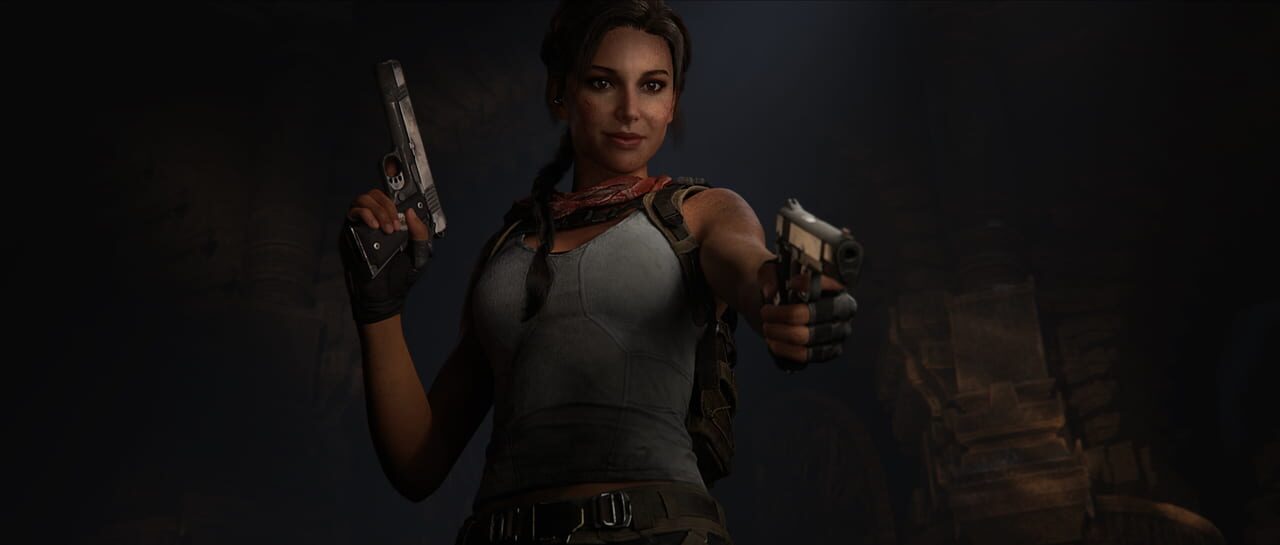
▲ Gameplay & Official Media (Source: IGDB)
This geographical setting also introduces unique survival elements, where the harsh climate and unpredictable terrain become active obstacles. By positioning the game as a direct sequel to Underworld, Crystal Dynamics is signaling a return to the classic lore and athletic gameplay style that characterized the mid-2000s era. This design philosophy contrasts sharply with the recent survival trilogy, promising a blend of nostalgia and modern design. Players who appreciated the grand scale of the older games will find this transition back to the roots of the series highly rewarding.
The Staggered Release Strategy of the Franchise
Before players can dive into the vast landscapes of Tomb Raider Catalyst, they will first experience a different side of the franchise. The reimagining of the original adventure, titled ‘Tomb Raider: Legacy of Atlantis’, is scheduled to launch on February 12, 2027, after facing its own development delays. This collaborative effort between Crystal Dynamics and Flying Wild Hog will serve as the perfect appetizer, reintroducing classic level design to current generation hardware. With the first game locked for early 2027, pushing the second major title to 2028 prevents internal competition and ensures sustained community engagement.
This dual-release strategy highlights a massive commitment to the intellectual property, showcasing a desire to capture both nostalgic fans and newcomers. While some gamers might feel disappointed by the extra wait, a polished release in 2028 is infinitely better than a rushed launch that fails to live up to the high standards of the franchise. The extra development time will ensure that the hardware is pushed to its absolute limits, delivering breathtaking visuals and seamless loading times. Ultimately, the patience of the community will likely be rewarded with two highly polished, distinct experiences across consecutive years.
Tomb Raider Catalyst delay secures vital polishing time for a monumental sequel
The decision to stagger the upcoming franchise releases into consecutive years protects both projects from cannibalizing their respective player bases. By launching the classic reimagining in early 2027 and holding this major sequel until 2028, the developers gain the necessary runway to perfect the complex Northern Indian environments. This measured approach ensures players receive a highly optimized, bug-free experience that fully utilizes modern hardware capabilities.
Final Pulse Score: 8.5 / 10