
Tomodachi Life: Living the Dream is currently reshaping the landscape of social media gaming trends as it makes its highly anticipated debut on the Nintendo Switch. While the Japanese giant is historically known for its stringent family-friendly guidelines, this latest iteration of the surreal life simulation series appears to be breaking the mold. By allowing players a surprising amount of creative freedom, Nintendo has inadvertently created a marketing machine that thrives on the chaotic and the unfiltered.
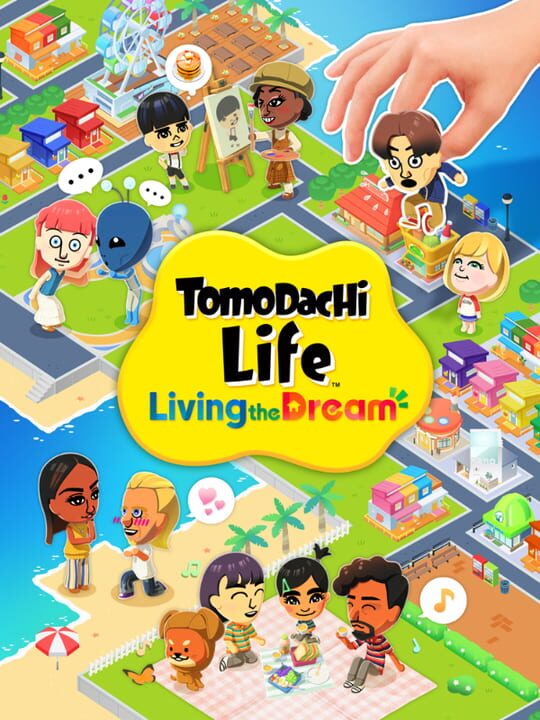
▲ Official Cover Art (Source: IGDB)
The core appeal of the franchise has always been its unpredictability, a trait that shines brighter than ever in this new entry. Tomodachi Life: Living the Dream functions as a hybrid between the architectural freedom of The Sims and the charming community vibes of Animal Crossing, all powered by the distinct personalities of Mii avatars. Since the release of the demo, the internet has been flooded with user-generated content that highlights the game’s willingness to step back and let the players lead the narrative.
| Feature | Details |
|---|---|
| Game Title | Tomodachi Life: Living the Dream |
| Platform | Nintendo Switch |
| Genre | Life Simulation / Surreal Sim |
| Viral Drivers | TikTok, YouTube, Uncensored User Input |
Analyzing the Viral Surge of Tomodachi Life: Living the Dream
What differentiates this release from its 2014 3DS predecessor is the current digital ecosystem. In the decade since the original game’s release, platforms like TikTok have become the primary drivers of gaming success. Tomodachi Life: Living the Dream is perfectly optimized for short-form video content, featuring absurd interactions, rap battles, and bizarre Mii mishaps that demand to be shared. The game’s permissive nature regarding custom dialogue and character designs has turned it into a digital playground for the ‘terminally online’ generation.
Industry analysts have noted that the lack of heavy-handed censorship is the game’s greatest asset. In an era where many first-party titles are sanitized to the point of losing their personality, Nintendo’s decision to allow for more ‘risqué’ or childish humor has resonated deeply with the fan base. This hands-off approach encourages players to push the boundaries of the Mii creator, resulting in organic, grassroots marketing that no traditional advertising campaign could replicate.
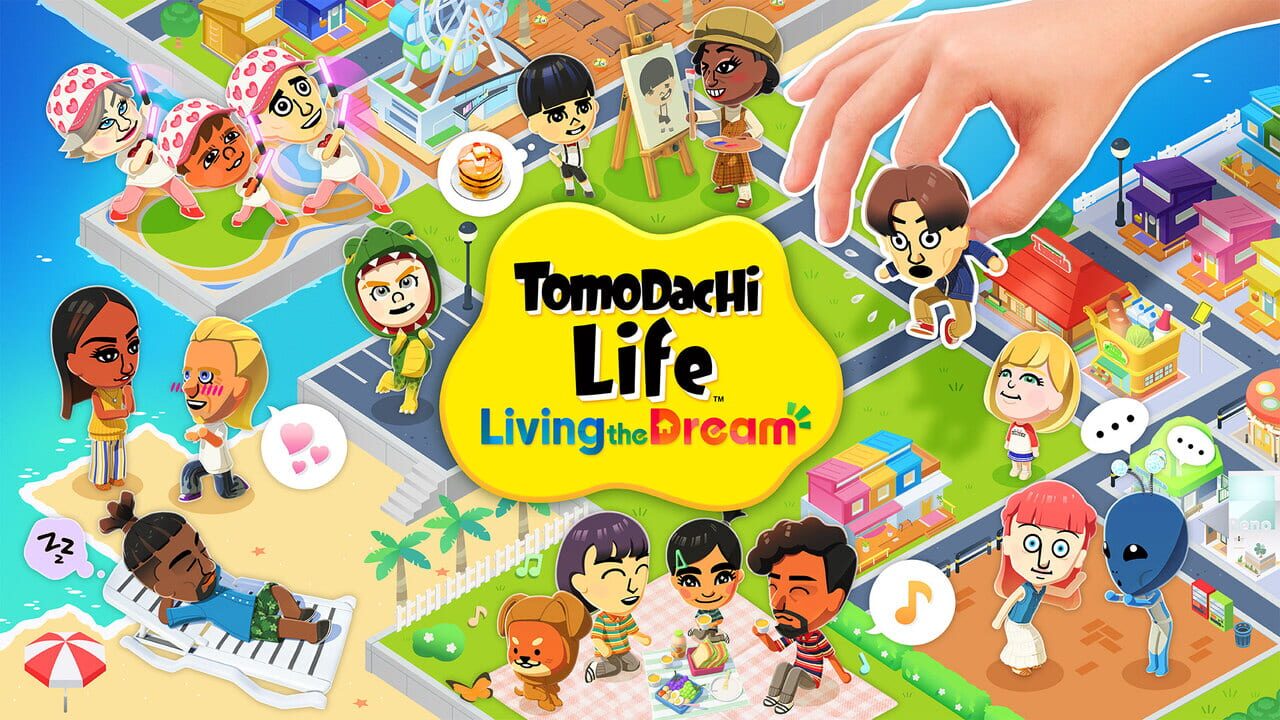
▲ Official Artwork (Source: IGDB)
The Power of Low-Fidelity Authenticity
Interestingly, the viral success of Tomodachi Life: Living the Dream isn’t coming from high-end capture cards or 4K trailers. Instead, many of the most popular clips are recorded manually via smartphones, capturing the Nintendo Switch screen directly. This low-fidelity aesthetic adds a layer of authenticity to the content, making the humor feel more immediate and relatable. It proves that a game’s soul and mechanical freedom are far more important for virality than sheer graphical prowess.
Furthermore, the deep character customization ensures that every player’s experience is entirely unique. Whether it is recreating famous celebrities or manifesting internal memes into the Mii format, the game provides the tools for high-engagement storytelling. As more players gain access to the full version of Tomodachi Life: Living the Dream, we expect to see an even greater diversification of content across social media channels.
Pulse Gaming Perspective: Why Tomodachi Life: Living the Dream Wins
Nintendo has finally realized that the weirdness of its community is a feature, not a bug. By providing a robust simulation framework and stepping out of the way, they have allowed the players to become the primary architects of the game’s cultural footprint. This represents a significant shift in Nintendo’s publishing strategy that could influence future titles.
As the industry looks toward the summer season, the momentum behind this title shows no signs of slowing down. For players looking to experience the madness themselves, visiting the official Nintendo website provides the latest updates on the demo and full release schedule. The sheer volume of content being generated suggests that this will not just be a niche hit, but a mainstream phenomenon that defines the late-lifecycle of the Switch.
The success of this title serves as a reminder that player agency is the most valuable currency in modern gaming. When developers trust their audience to be creative, the results are often more innovative and successful than any scripted experience. For more in-depth coverage on Nintendo’s evolving strategies, .
Final Pulse Score: 9.2 / 10