
Vampire Survivors has reached a sudden and unexpected crossroads in its expansion strategy as developer Poncle signals a potential retreat from its most high-profile partnership to date. Just hours after the initial hype surrounding an official crossover with the battle royale giant Fortnite, the indie studio expressed significant hesitation. The friction stems from a fundamental philosophical divide regarding the integration of generative artificial intelligence in game development, a move that has sent shockwaves through the creative community. For a title that built its massive success on distinct, hand-crafted charm and clear player-first ethics, the prospect of being associated with automated asset creation has prompted an immediate internal review.
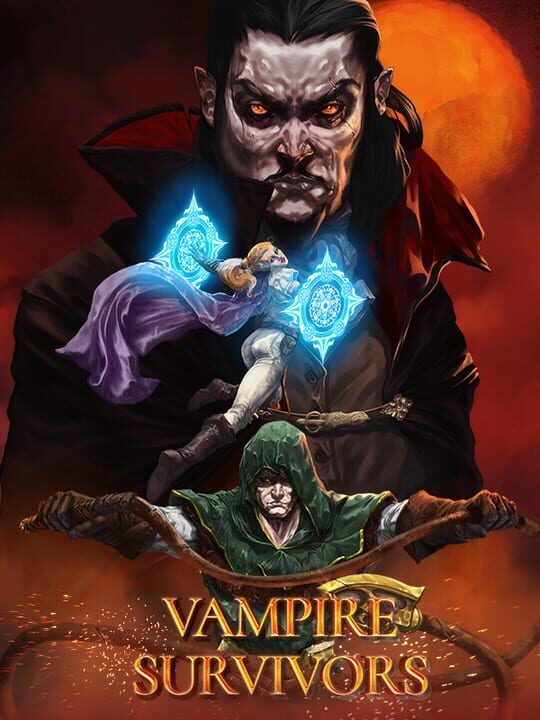
▲ Official Cover Art (Source: IGDB)
| Attribute | Detail |
| Developer | Poncle |
| Collaboration Partner | Epic Games |
| Core Conflict | Generative AI Asset Creation |
| Affected Platforms | Fortnite Ecosystem |
| Current Status | Under Review / Potential Cancellation |
The Ethics of Automation in the Vampire Survivors Ecosystem
The controversy ignited following a series of technical demonstrations at Unreal Fest, where the capabilities of the latest engine iterations were showcased. Specifically, the reveal of experimental plugins integrating large language models like Claude and Gemini directly into the development pipeline has raised alarms for studios that prioritize human-driven artistry. Vampire Survivors has always stood as a testament to what a small, dedicated team can achieve through iterative design and community feedback. By contrast, Epic Games has positioned these new AI tools as productivity multipliers intended to handle time-consuming manual tasks, such as lighting adjustments and object placement within complex scenes.
For Poncle, the concern is less about the technical efficiency and more about the precedent it sets for the industry. A recent video demonstration showing how artists are utilizing generative AI to concept characters and environments for the battle royale suggests that assets for future collaborations could be partially or entirely generated by algorithms. This sits in direct opposition to the indie ethos that defines the Vampire Survivors brand. The developer confirmed on public forums that they are currently reviewing the collaboration, stating that the recent news regarding AI usage to create game assets is the primary driver for this sudden pause in momentum.
How Generative AI Shifts the Player Experience and Value
From a hardcore gamer perspective, the inclusion of AI in the creative process changes the perceived value of digital collectibles. When players invest in a crossover skin or a themed map, there is an underlying expectation of creative intent. If the Vampire Survivors aesthetic—known for its retro-pixel brilliance and specific visual humor—is processed through an AI filter to fit the Fortnite world, it risks losing the very soul that made it a global phenomenon. We have seen similar pushback in other communities where AI-generated content felt like a shortcut rather than a genuine expansion of the game world.
▲ Official Artwork (Source: IGDB)
The technical roadmap for Unreal Engine 5.8 and the eventual transition to Unreal Engine 6 further complicate this partnership. With features like Lumen Lite for faster illumination and advanced terrain tools being touted alongside AI plugins, the barrier between human creativity and machine-generated content is blurring. While these tools might help massive teams maintain a grueling live-service schedule, they create a friction point for partners who view game development as an inherently human craft. If Poncle decides to pull out, it could set a major precedent for other indie darlings like the recently announced Control Resonant or Sonic Racing crossovers, potentially leading to a fractured ecosystem where developers must choose between massive exposure and their creative integrity.
The Practical Impact on Gameplay and Visual Consistency
Beyond the ethical debate, there is the practical concern of visual consistency. Vampire Survivors relies on a very specific, readable chaos. AI-assisted design often struggles with the nuanced quirks that define indie art styles, frequently resulting in a polished but generic look that can feel out of place. If the collaboration moves forward, players might find themselves looking at assets that technically meet the specifications but lack the hand-drawn personality of the source material. This tension between the speed of AI and the quality of human artistry is the defining battle of the 2026 gaming landscape, and Poncle is currently standing on the front lines.
Vampire Survivors demonstrates that indie integrity remains a powerful counter-force to the industry-wide push for AI-driven automation.
The potential cancellation of this crossover highlights a growing rift between platform holders who prioritize scale and developers who prioritize the human element of design. As generative AI becomes a standard feature in Unreal Engine, we expect more boutique studios to scrutinize their partnership contracts to ensure their intellectual property is not being fed into or generated by machines. This is not just a PR move; it is a defensive play to protect the long-term value of original creative work in an increasingly automated market.
Final Pulse Score: 7.5 / 10