
Warlock: Dungeons & Dragons is boldly stepping away from modern open world design tropes by removing traditional quest waypoints and glowing objective markers. Rather than funneling players down rigid, pre-calculated paths on a mini-map, developer Invoke Studios is designing the third-person action title around organic player agency, environmental curiosity, and natural investigation. General manager Dominic Guay emphasized that relying heavily on navigation prompts strips away the joy of discovery, turning immersive roleplaying into a passive chore of following icons.

▲ Official Cover Art (Source: IGDB)
| Game Title | Warlock: Dungeons & Dragons |
| Developer | Invoke Studios |
| Genre | Third-Person Action RPG |
| Core Design Pillar | No Waypoint Exploration and Mystery Systems |
| Navigation Aids | Optional Compass Only |
Reclaiming Exploration by Eliminating the UI Crutch
The decision to strip away glowing map icons addresses a long-standing fatigue among roleplaying enthusiasts who feel modern action titles hold their hands far too aggressively. In Warlock: Dungeons & Dragons, players navigate the dark fantasy landscape using environmental landmarks, town rumors, and an optional compass that can be toggled off entirely. Guay noted that when development teams implement heavy-handed guiding systems, players inevitably disconnect from the actual environment, entering an autopilot state where they blindly trust the user interface rather than their own deductive reasoning.
By removing these intrusive overlays, the game demands that players pay close attention to dialogue, architectural cues, and geographic shifts. This deliberate friction transforms standard travel into an active engagement with the world. Instead of sprinting straight toward a glowing map marker, spellcasters must observe their surroundings and deduce the best path forward, mirroring the authentic investigative spirit of classic tabletop sessions.
The Mystery System and Emergent Tabletop Investigation
Replacing standard quest boards is an emergent investigative framework known as Mysteries, structured to evoke the feeling of gathering tavern rumors in a tabletop campaign. Players discover objectives dynamically through various entry points, such as conversing with eccentric NPCs, discovering cryptic notes, or stumbling across suspicious activity on the outskirts of a settlement. The sequence in which information is acquired fundamentally shifts how encounters unfold, ensuring no two playthroughs feel identical.
For example, if you investigate an anomaly outside a town before ever setting foot inside its gates, your prior knowledge changes dialogue options and tactical opportunities when confronting corrupt locals. Conversely, entering a settlement blindly forces you to piece together social dynamics from within. This light immersive sim approach ensures that solving a puzzle or tracking a target feels like a personal victory rather than a checklist routine dictated by UI designers.
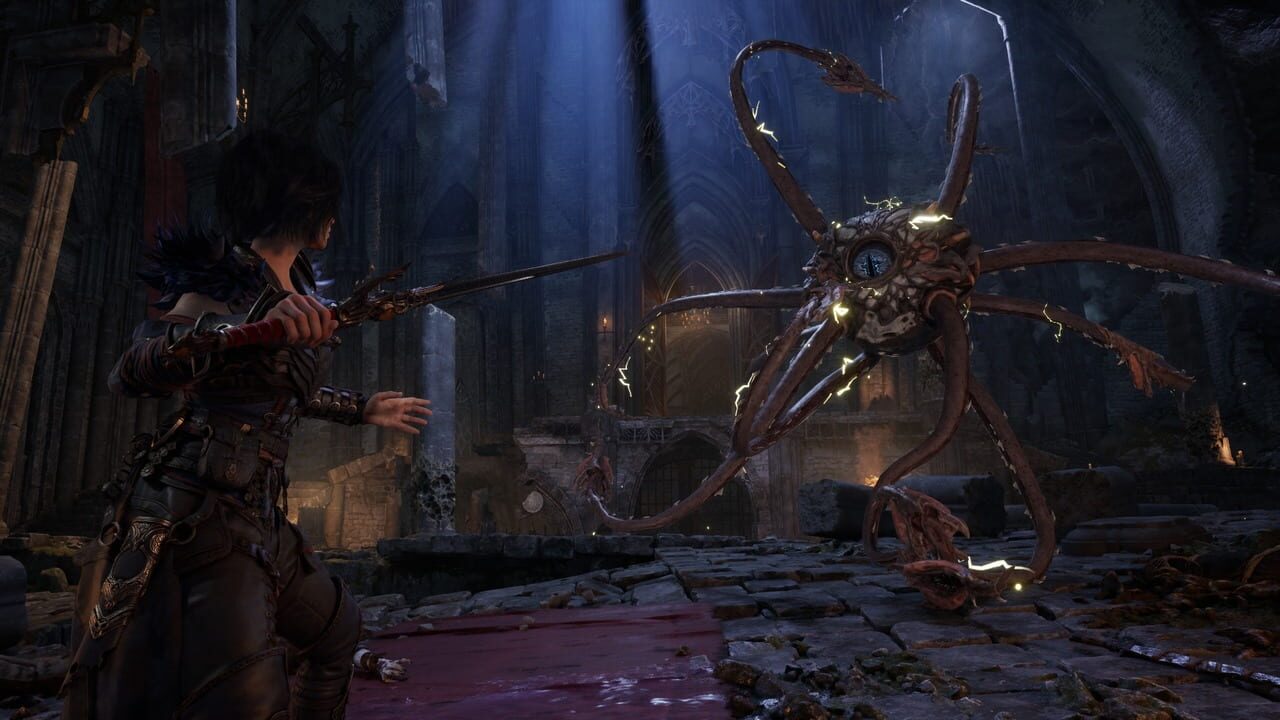
▲ Gameplay & Official Media (Source: IGDB)
Balancing Player Freedom Against Quest Friction
While dynamic investigations sound exceptional on paper, the ultimate success of Warlock: Dungeons & Dragons hinges on execution and intuitive level design. Without waypoints or excessive paint cues to guide the eye, the world itself must communicate clearly through lighting, sound design, and intelligent dialogue. If NPC hints become overly repetitive or obtuse, players could easily swing from feeling empowered to feeling lost. However, if Invoke Studios strikes the right balance between environmental storytelling and player agency, this action RPG could set a refreshing standard for future fantasy adaptations.
Warlock: Dungeons & Dragons gambles on unguided discovery to restore true roleplaying immersion.
Stripping away map markers forces players to engage directly with environmental design and NPC interactions rather than chasing icons on a mini-map. If the Mystery system delivers distinct paths without turning cryptic, it will fundamentally redefine how tabletop mechanics translate into third-person action. This design philosophy places full trust in player intelligence, creating a far more satisfying feedback loop for hardcore RPG fans.
Final Pulse Score: 8.8 / 10
Related Article: Warlock Dungeons and Dragons Gameplay Breakdown