
World of Warcraft fans are currently dissecting the most significant leak in years as internal server updates reveal a mysterious new branch codenamed Camelot. This discovery points toward the long-rumored Classic Plus experience, a reimagining of the foundational MMO that could fundamentally shift how the community interacts with legacy content. Rather than a simple retread of historical patches, the existence of Heroic and Epic licenses suggests a full-scale commercial release designed to stand alongside the existing ecosystem. This is not just a minor update but a potential structural pivot for the franchise as it seeks to maintain its momentum in 2026.
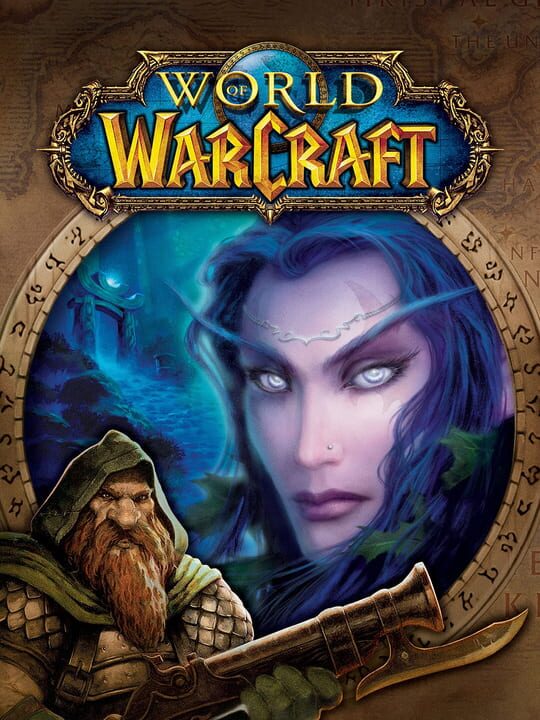
▲ Official Cover Art (Source: IGDB)
| Project Codename | World of Warcraft Camelot |
| Associated Patch Version | July 2006 (Legacy Patch 1.60.0) |
| License Tiers | Heroic and Epic Editions |
| Key Event Context | BlizzCon September 2026 |
| Platform Focus | PC / Modern Battle.net Infrastructure |
Decoding the World of Warcraft Camelot Datamine
The technical fingerprints left on the internal servers indicate that Camelot is built upon the specific 2006 architecture that defined the peak of the original era. Our analysis of the datamined licenses shows that this branch is being treated with the same commercial weight as a modern expansion. By introducing Heroic and Epic editions, the developers are signaling that this remixed version of World of Warcraft will likely feature exclusive cosmetic rewards, early access windows, or unique account-wide unlocks that bridge the gap between the classic and modern clients.
Internal testing for this branch has reportedly been ongoing under heavy encryption, but the alignment with the July 2006 patch is the most telling detail. This was the era of the Blackwing Lair and the height of early raid culture. By targeting this specific point in time, the development team appears to be creating a sandbox where they can introduce new mechanics, refined class balance, and perhaps even unfinished zones that were originally cut from the 2004 release. This strategy mirrors the success seen in other long-running MMOs that have branched their legacy servers into unique, evolving timelines.
The Strategic Necessity of World of Warcraft Classic Plus
The timing of the Camelot leak is crucial as the current progression of legacy servers is rapidly approaching a point of convergence with the modern game. To prevent the player base from stagnating once the historical timeline is exhausted, a branching Classic Plus model provides a sustainable future. This version of World of Warcraft would allow for the preservation of the slower, more methodical gameplay of the mid-2000s while integrating modern quality-of-life improvements that do not compromise the core social fabric of the game. It is a delicate balancing act that requires more than just re-releasing old data.
▲ Official Artwork (Source: IGDB)
Recent high-level meetings at the developer headquarters in Irvine, involving prominent community figures under strict non-disclosure agreements, further support the theory that a major reveal is planned for BlizzCon in September 2026. These focus groups likely provided feedback on the remixed mechanics, ensuring that the new content feels authentic to the 2006 spirit. The goal is to move away from the suffering of archaic design flaws while doubling down on the communal challenges that made the original World of Warcraft a global phenomenon.
Lessons from the Season of Discovery
The groundwork for Camelot was arguably laid during recent seasonal experiments where the team toyed with radical class changes and new level-up raids. Those experimental phases allowed the developers to gather massive amounts of data on how players react to non-canonical changes in a classic environment. World of Warcraft Camelot represents the culmination of those tests, moving from a temporary seasonal event to a permanent, premium branch of the game. It suggests a future where players are not just replaying history, but participating in an alternate one.
The potential for new end-game content within the old-world map is what has the hardcore community most excited. Imagine venturing into Karazhan or the Hyjal summit using the mechanics and level caps of the original era. This approach would essentially turn World of Warcraft into a dual-track experience, catering to those who prefer the hyper-speed vertical progression of the retail version and those who crave the horizontal, world-centric journey of the remixed classic timeline.
The Camelot leak redefines the longevity of World of Warcraft legacy content
By creating a dedicated, commercialized branch for Classic Plus, the developers are effectively solving the expiration date problem of progression servers. This move leverages nostalgia while introducing modern design philosophy, ensuring that the 2006-era gameplay remains a viable, evolving product rather than a museum piece. It is a bold play to capture the audience that desires the old-school grind without the outdated frustrations of two decades ago.
Final Pulse Score: 9.2 / 10
Related Article: World of Warcraft Classic Plus Leak Analysis