
The Legend of Zelda: Ocarina of Time remains the gold standard for adventure gaming, and its transition to the high-performance Nintendo Switch 2 hardware is easily the most anticipated event of the 2026 gaming calendar. Following a cryptic teaser that left fans dissecting every frame of a sleeping young Link, new evidence has surfaced through a now-deleted website description that sheds light on Nintendo’s creative direction. The internal metadata for the game’s product page briefly featured a blurb that categorized the project as a full remake intended to preserve the core experience while elevating the presentation to modern standards. This discovery has ignited a fierce debate among the community regarding whether the title will follow the path of a literal shot-for-shot recreation or a more expansive reimagining.
▲ Official Cover Art (Source: IGDB)
| Attribute | Project Detail |
| Developer | Nintendo |
| Primary Platform | Nintendo Switch 2 |
| Release Window | 2026 |
| Project Type | Full Remake |
| Visual Engine | Switch 2 Native Hardware |
The Legend of Zelda: Ocarina of Time and the Mystery of the Deleted Metadata
The digital footprint of Nintendo’s latest project has proven to be a treasure trove for eagle-eyed followers. The recently spotted description explicitly labeled the project as a full remake for the Nintendo Switch 2, promising stunning visuals and updated designs. What caught the attention of veteran players, however, was the specific inclusion of the phrase timeless gameplay. In the lexicon of modern game development, this often signals a commitment to maintaining the original mechanics—dungeons, puzzle solutions, and world layout—rather than introducing the systemic overhauls seen in recent high-profile remakes from other major publishers. This approach suggests that while the world of Hyrule will look radically different, the muscle memory of the 1998 classic will remain entirely relevant.
Interestingly, Nintendo was quick to scrub this specific wording from the site code, replacing it with a more generic promotional blurb that simply highlights the game’s return for a new generation in 2026. This tactical retreat from specific terminology suggests that the company is still managing expectations regarding how much new content will be added to the base experience. While the core gameplay might remain untouched, the mention of updated designs implies that character models and environmental assets are being built from the ground up to leverage the Switch 2’s enhanced processing power, moving far beyond a simple high-definition remaster.
Analyzing the Visual Evolution and Worldview
The teaser trailer revealed during the June 9 Nintendo Direct offered only a tantalizing glimpse into the game’s aesthetic. By showcasing a high-fidelity tapestry followed by a close-up of young Link, the footage established a mood of reverence for the original lore. The appearance of the Triforce mark on Link’s hand serves as a symbolic bridge between the classic N64 narrative and the modern hardware capabilities. Unlike the stylized cel-shading of some previous entries, this version of The Legend of Zelda: Ocarina of Time appears to be leaning into a more atmospheric and detailed art style that emphasizes lighting and texture, bringing the Kokiri Forest and Hyrule Field to life with unprecedented clarity.
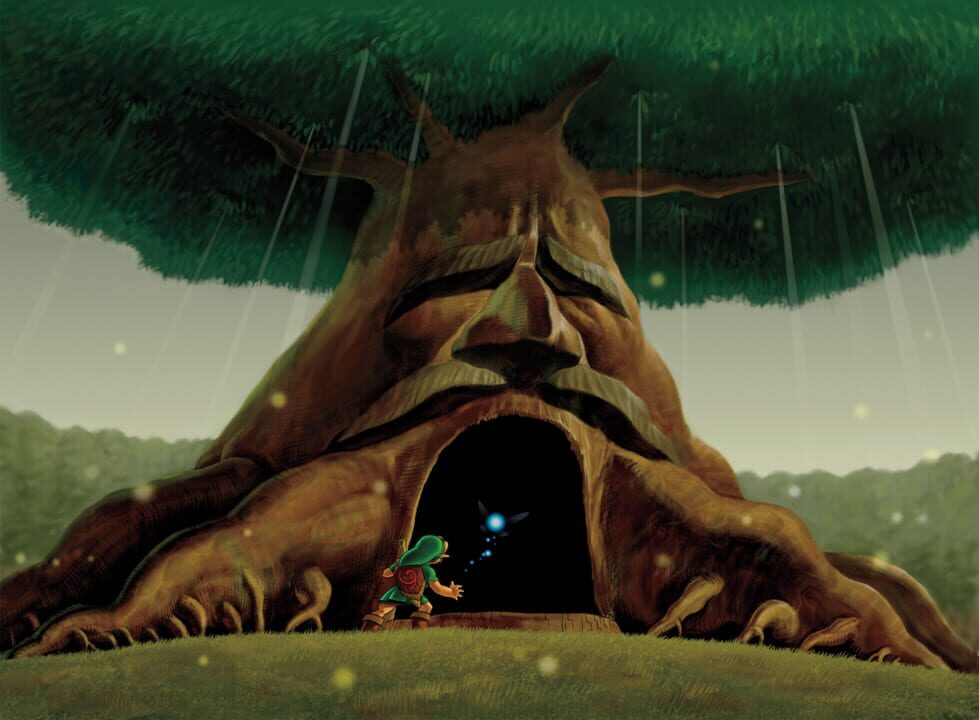
▲ Official Artwork (Source: IGDB)
Expanding the Narrative without Breaking the Mold
Looking at Nintendo’s recent remake philosophy, specifically with the ground-up Star Fox remake released earlier this year on Switch 2, we can see a potential blueprint for this project. In that instance, the core gameplay remained intact while the developer inserted significantly expanded plot sequences and cinematic flourishes. Fans have already noted that the teaser for The Legend of Zelda: Ocarina of Time featured a voiceover, leading to intense speculation that the remake might introduce fully voiced dialogue for the supporting cast. Such a change would drastically alter the emotional weight of scenes involving characters like Saria or Zelda, even if the player’s path through the temples remains identical to the original quest.
The Significance of the 2026 Launch Window
Positioned as a cornerstone exclusive for the Nintendo Switch 2, the 2026 release of The Legend of Zelda: Ocarina of Time is more than just a nostalgic trip; it is a showcase of the console’s ability to handle massive, seamless environments with modern fidelity. The shift from a descriptive full remake tag to a more mysterious generation-exclusive blurb indicates that Nintendo wants the focus to remain on the brand-new experience of exploring Hyrule. For players, this means the wait for more concrete details—such as the extent of the Master Quest content or potential new dungeon additions—will likely continue until the next major broadcast later this year.
The Legend of Zelda: Ocarina of Time leverages Switch 2 power to redefine the faithful remake
The tension between timeless gameplay and stunning visuals suggests that Nintendo is targeting the exact middle ground between nostalgia and innovation. By preserving the original logic of Hyrule’s puzzles while utilizing modern hardware for environmental storytelling, they are ensuring that the remake appeals to both the purists who memorized the Water Temple and a new generation of players. This strategy minimizes the risk of alienating the core fanbase while maximizing the technical showcase potential of the Switch 2.
Final Pulse Score: 9.5 / 10
Related Article: Zelda Ocarina of Time Remake Switch 2 Announcement
Related Article: Zelda Ocarina of Time Remake Rumors Monolith