
Zenless Zone Zero is currently at the center of a heated community debate regarding the integrity of its mini-game designs. Indie developer Michael Kamm, the creator of the puzzle title Ouros, has released compelling video evidence suggesting that a specific puzzle mechanic in the HoYoverse title was directly lifted from his project. The controversy has sparked a wider conversation among hardcore players about how major studios interact with the indie scene.
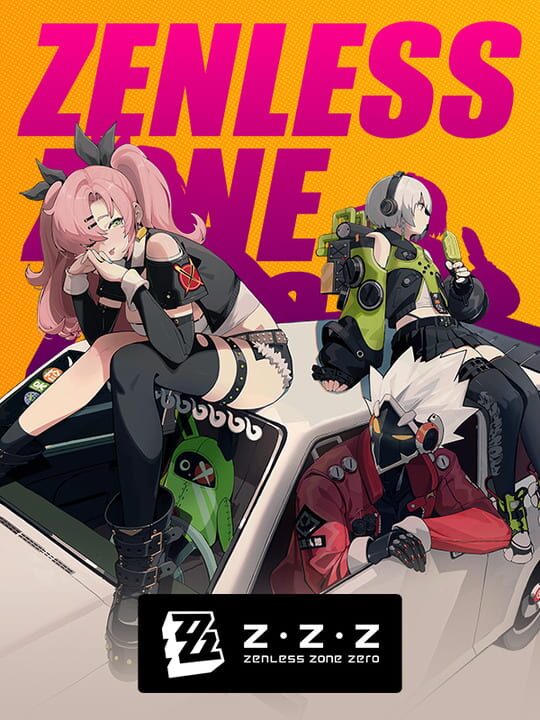
▲ Official Cover Art (Source: IGDB)
| Feature | Controversy Details |
| Alleging Party | Michael Kamm (Developer of Ouros) |
| Mechanic in Question | Spline-based curve manipulation and portals |
| Implementation Date | Added to Zenless Zone Zero in 2025 |
| Historical Context | Second major HoYoverse plagiarism claim in two months |
The Detailed Evidence Against Zenless Zone Zero
The evidence presented against the puzzle implementation in Zenless Zone Zero focuses on granular design choices that go beyond mere genre similarity. Kamm’s comparison highlights identical mechanics where players manipulate curves to guide a ball through a specific path. The similarities include specific UI elements like the hint system, the reverse direction toggle, and the use of “curve portals” that teleport the object to different segments of the track. These are not just broad concepts but specific mechanical interactions that define the gameplay loop of Ouros.
Furthermore, the visual presentation within Zenless Zone Zero has been scrutinized for its uncanny resemblance to the indie title. Both versions feature a distinct, hazy flowing background that sets the mood for the puzzle solving. While it is common for games to share aesthetic vibes, the combination of specific gameplay logic and environmental design has led many in the community to question the originality of the HoYoverse update. For players, this raises concerns about whether their favorite gacha titles are innovating or simply absorbing the hard work of small-scale creators.
The timing of this revelation is particularly poignant because some gamers had initially accused Kamm of copying Zenless Zone Zero. Because the billion-dollar studio has a massive global reach, the general public often assumes the larger entity is the originator of a mechanic. Kamm clarified that his work on these systems dates back to a 2020 game jam project titled Splines ‘n Shapes, long before the specific content was integrated into the urban fantasy world of HoYoverse’s latest hit.
▲ Official Artwork (Source: IGDB)
A Pattern of Disregard for Indie Intellectual Property
This is not an isolated incident for the developer, as Zenless Zone Zero is the second game under their umbrella to face such accusations recently. Just last month, Pipapo Games noted that their upcoming title, Map Map, appeared to have its core mapping mechanics mirrored within Genshin Impact. Map Map officially launches today, May 28, 2026, and the developers have expressed a strange sense of frustration seeing a market leader utilize their unique ideas just as they prepare for their own release.
From a gamer’s perspective, these repetitions suggest a systemic issue within the research and development phases of large-scale live-service games. When a studio has the resources of a small nation, the expectation is for high-level innovation that justifies the player’s time and financial investment. Discovering that a mini-game—intended to be a refreshing break from the core combat meta—is a clone of an indie game can damage the brand’s prestige and the player’s trust in the creative vision of the world-building team.
The difficulty for indie developers lies in the legal landscape of game design, where mechanics are notoriously hard to copyright. While a billion-dollar company can easily weather a social media storm, a small developer relies on their unique hook to survive in an oversaturated market. If Zenless Zone Zero continues to incorporate specialized indie mechanics without collaboration or credit, it may discourage the very innovation that keeps the gaming ecosystem healthy. For now, the community is watching closely to see if an official response or a corrective update will be issued to address these striking similarities.
Zenless Zone Zero must bridge the gap between inspiration and imitation to protect its creative legacy.
While borrowing mechanics is a staple of game development, the hyper-specific overlap in UI and environmental effects seen here crosses a line into problematic territory. For a game that prides itself on ‘cool’ and ‘urban’ originality, relying on uncredited indie puzzles is a massive unforced error. HoYoverse needs to implement stricter internal creative audits to ensure their mini-games reflect the same high-budget innovation as their core combat systems.
Final Pulse Score: 4.5 / 10