
Assassin’s Creed Shadows has unexpectedly become the focal point of a major political clash following a European Parliament hearing on the consumer-led ‘Stop Killing Games’ campaign. While the core objective of the debate was to address the critical issue of publishers shutting down game servers and leaving purchased digital goods completely unplayable, the legislative discussion was temporarily derailed by a far-right Slovak representative. Rather than focusing on consumer ownership and digital rights, the politician chose the floor of parliament to complain about character representation, specifically targeting the dual protagonists of the upcoming title.
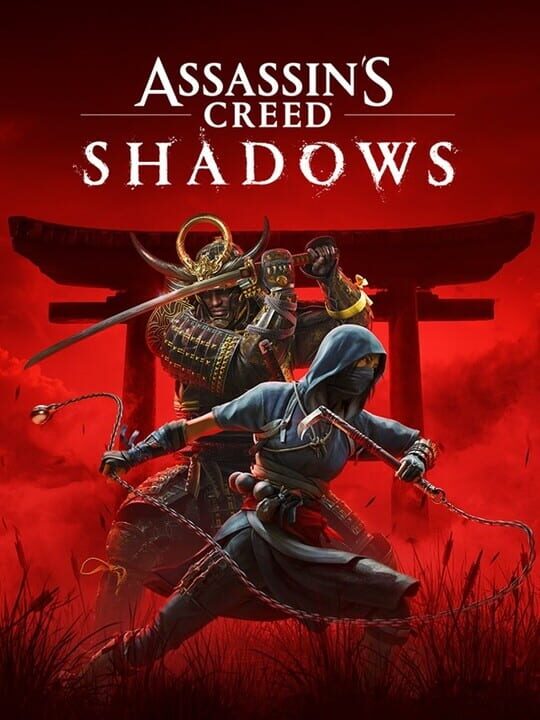
▲ Official Cover Art (Source: IGDB)
| Core Issue | ‘Stop Killing Games’ Initiative Goals | Political Distraction Raised |
|---|---|---|
| Game Ownership & Preservation | Prevent publishers from disabling purchased software without offline modes. | Criticism of character rosters and representation in Assassin’s Creed Shadows. |
| Predatory Monetization | Regulating paid loot boxes, pay-to-win elements, and aggressive microtransactions. | Framing diverse characters as a ‘woke’ ideology destroying the medium. |
| Regulatory Status | European Parliament shows clear support; European Commission response remains mixed. | Irrelevant cultural grievances voiced by fringe nationalist politicians. |
Deconstructing the Debate: Preservation vs. Distraction
The ‘Stop Killing Games’ campaign represents a massive grassroots movement fighting for fundamental consumer rights in the digital era. The initiative argues that when players purchase a game, they should retain the right to play it even after official server support ends, requiring developers to provide end-of-life offline patches. This is a vital fight for the player’s wallet, ensuring that our hard-earned money does not vanish into thin air when a publisher decides a game is no longer profitable to host.
Unfortunately, this crucial conversation on digital preservation was hijacked by political grandstanding regarding the historical setting of Assassin’s Creed Shadows. Slovak MEP Milan Uhrik argued that ‘wokeness’ and forced diversity are the true threats destroying the modern gaming landscape. By focusing on the race and gender of virtual protagonists, these political figures actively dilute a serious legislative hearing meant to protect consumers from anti-consumer business practices.
How Assassin’s Creed Shadows Became a Shield Against Real Industry Issues
The reaction from the gaming community highlights a stark divide between genuine player concerns and politically motivated outrage. While players are genuinely furious about predatory microtransactions, pay-to-win schemes, and the sudden deletion of games they supposedly owned, very few believe that the casting of Assassin’s Creed Shadows is the primary threat to the medium. The community quickly identified the far-right rant as an attempt to leverage popular culture to score cheap political points on a grand stage.
Organizers of the ‘Stop Killing Games’ campaign noted that while some politicians were supportive in tone, comments focusing on culture-war grievances completely missed the point of the initiative. The real danger to gamers is not who they play as, but whether they are allowed to play the games they paid for at all. Using Assassin’s Creed Shadows as a scapegoat only serves to shift the spotlight away from the actual corporate practices that harm the average player’s wallet and user experience.
▲ Official Artwork (Source: IGDB)
The Battle for Consumer Rights in the Digital Age
Despite the brief political derailment, the consumer rights initiative has made incredible strides, moving from a viral online campaign to a formal presentation before the European Parliament in just two years. Most representatives acknowledged that video games are an influential form of modern art and cultural heritage that deserve robust legal protection. The goal remains to establish clear regulatory frameworks that force publishers to leave games in a functional, playable state post-support.
For players looking forward to Assassin’s Creed Shadows and other major releases, the outcome of this legislative push will shape the future of our digital libraries. If successful, it could put an end to the era of ‘temporary ownership,’ ensuring that games remain playable decades after release. While fringe politicians continue to worry about virtual representation, the actual player base remains focused on holding publishers accountable for server shutdowns and preserving the history of our medium.
The Diversionary Tactics Surrounding Assassin’s Creed Shadows
Politicizing game content like Assassin’s Creed Shadows acts as a smoke screen that protects predatory publishers. When politicians redirect legislative hearings toward culture-war grievances, they derail crucial efforts to secure legal digital ownership for players. The real threat to our hobby is not the diversity of a game’s cast, but the corporate model that allows companies to delete purchased software at will.
Final Pulse Score: 8.5 / 10