
Avatar Legends: The Fighting Game is poised to redefine how fans interact with the Four Nations when it officially arrives on July 2, 2026. Following a high-octane reveal trailer at the recent Evo Awards, the hype surrounding this title has shifted from cautious optimism to genuine competitive excitement. For years, the Avatar franchise has wandered through a wilderness of mediocre adaptations, but the upcoming launch suggests a significant shift in production values and mechanical depth that the community has long demanded.
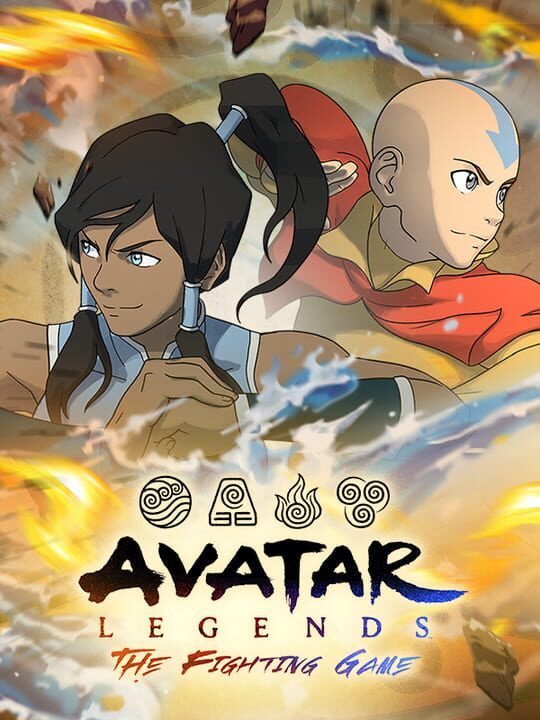
▲ Official Cover Art (Source: IGDB)
Developed by Gameplay Group, the title marks a departure from the budget-style quest games of the past. By focusing on the precision of a 2D fighter, the developers are leaning into the core appeal of the series: the intricate, martial-arts-based bending styles. The technical specifications confirmed at Evo—specifically the inclusion of rollback netcode and full crossplay—signal that this is not just a licensed cash-in, but a serious contender in the fighting game space.
| Feature | Details |
|---|---|
| Game Title | Avatar Legends: The Fighting Game |
| Release Date | July 2, 2026 |
| Platforms | PC, PS5, Xbox Series X, Switch, Switch 2 |
| Launch Roster | 12 Characters (5 Post-Launch) |
| Online Infrastructure | Rollback Netcode & Crossplay |
Breaking the Avatar Game Curse
The history of this franchise in the interactive medium has been historically troubled. Even reputable studios like PlatinumGames struggled to capture the magic of the series back in 2014, and more recent attempts like 2023’s Quest for Balance were criticized for a lack of polish and low-budget execution. Avatar Legends: The Fighting Game appears to be breaking this cycle by narrowing its scope to a genre where mechanical excellence can shine.
The launch roster of 12 fighters is a carefully curated selection from both the Aang and Korra eras. Fan favorites like Zuko, Katara, and Toph are joined by modern icons like Bolin and Lin Beifong. This cross-generational approach ensures that the game appeals to the widest possible demographic of the fandom. Furthermore, the commitment to adding five more fighters post-launch suggests a long-term support plan similar to contemporary giants like Street Fighter or Tekken.
A Technical Deep Dive into the Elemental Combat
What sets Avatar Legends: The Fighting Game apart from its predecessors is its commitment to modern fighting game standards. Rollback netcode has become the industry gold standard, ensuring that online matches feel as responsive as local play regardless of geographical distance. For a franchise that thrives on the fluidity of movement and bending, any input lag would have been a deal-breaker for the competitive community.
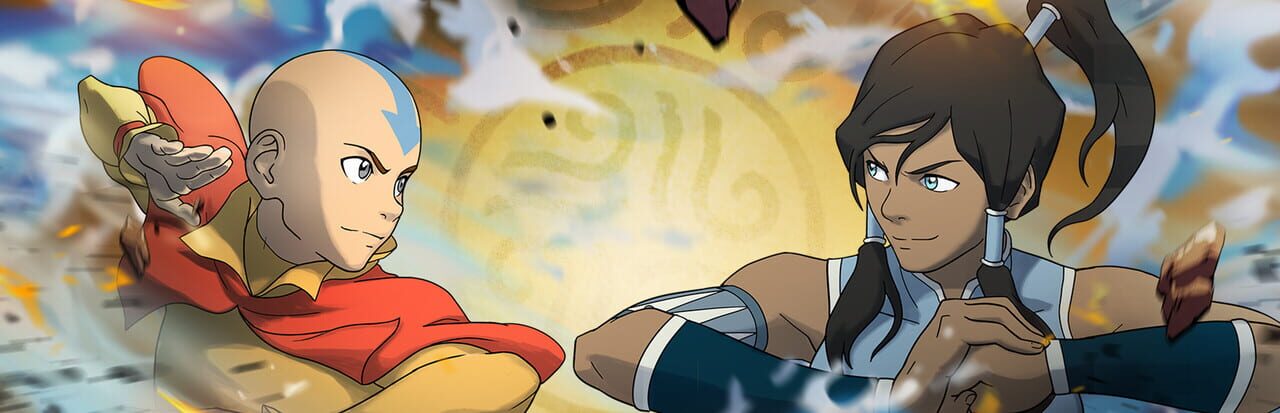
▲ Official Artwork (Source: IGDB)
The inclusion of crossplay support is another strategic masterstroke. By allowing players on the Nintendo Switch 2, PC, and PlayStation 5 to compete in the same ecosystem, Gameplay Group is preventing the community fragmentation that often kills niche fighters. This approach is particularly important as the industry moves into the competitive fighting game renaissance we are currently witnessing in 2026.
Pulse Gaming Perspective: A High-Stakes Gamble on Quality for Avatar Legends: The Fighting Game
By prioritizing technical stability and genre-specific mechanics over generic action-adventure tropes, this title finally treats the Avatar IP with the respect of a AAA competitive product. The July 2 launch will be the ultimate litmus test for licensed fighters in the current generation.
The Broader Industry Context
We are currently navigating a golden age for licensed properties in the fighting game genre. With Invincible VS slated for a release next month and Marvel Tokon: Fighting Souls arriving in August, Avatar Legends: The Fighting Game finds itself in a crowded but lucrative market. The decision to launch on the rumored Nintendo Switch 2 alongside current-gen hardware suggests a forward-looking strategy that aims to capture the next wave of console adoption.
While some may argue that a 12-character roster is modest compared to tag-team giants, the focus here seems to be on character depth rather than mere volume. Each bender’s style requires unique animation work and hitbox management to feel authentic to the source material. If the gameplay loop is as polished as the Evo trailer suggests, this could very well be the first ‘Great’ game in the franchise’s history.
As we approach the July 2, 2026 release date, all eyes will be on how the meta develops. Whether you are a fan of the original series or a fighting game veteran, the promise of a lag-free, cross-platform bending experience is hard to ignore. This might finally be the moment the Avatar game curse is broken for good.
Final Pulse Score: 8.5 / 10