
Control Resonant is officially launching on September 24, 2026, marking a significant evolution for Remedy Entertainment as they venture into the high-octane world of character-driven action. This upcoming title shifts away from the traditional supernatural shooter mechanics of its predecessor, embracing a hack-and-slash style that promises a more visceral experience. With the latest story trailer highlighting the combined powers of Dylan and Jesse Faden, the hype for this late-summer release is reaching a fever pitch among hardcore enthusiasts.
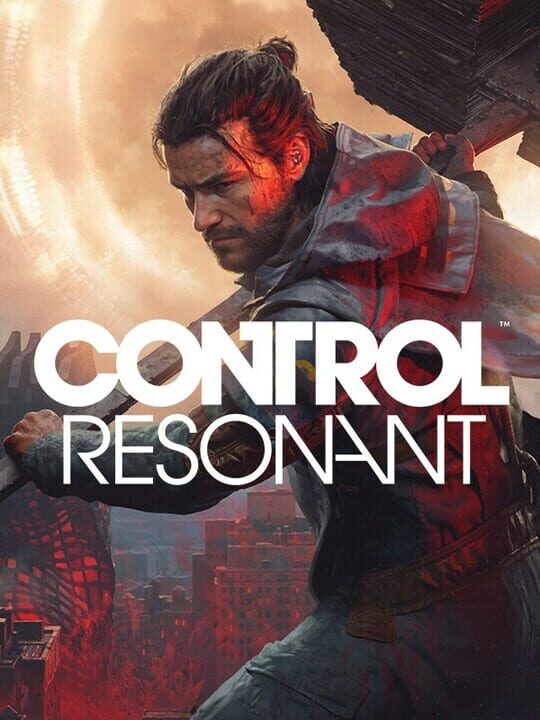
▲ Official Cover Art (Source: IGDB)
| Feature | Details |
|---|---|
| Developer | Remedy Entertainment |
| Release Date | September 24, 2026 |
| Genre | Character Action / Hack and Slash |
| Platforms | PC (Steam), Current-Gen Consoles |
| Storage Requirement | 100GB SSD |
The Technical Demands of Control Resonant on PC
While the release date is a major milestone, the technical specifications for Control Resonant have raised eyebrows across the gaming community. Requiring a minimum of 100GB of free SSD space, the game demands more than double the storage footprint of the original 2019 title. This massive jump in file size suggests a significant increase in high-resolution assets and complex environmental geometry, likely optimized for modern NVMe storage speeds to handle the game’s fast-paced action sequences without stuttering.
The GPU requirements are equally formidable, reflecting Remedy’s commitment to cutting-edge visual fidelity. The minimum specifications call for a GTX 1070 or an RX 5600, but to truly experience the game as intended, the recommended tier steps up to an RTX 3070 or an RX 6700. For enthusiasts looking to push the boundaries, the inclusion of DLSS 4.5 and full path tracing support means that a GeForce RTX 40 series card is essentially mandatory to unlock the highest levels of performance and visual accuracy.
Processing power is also a major factor, with the Ryzen 7 3700X listed as the recommended CPU. This indicates that Control Resonant will be heavily reliant on multi-core performance to manage its physics-based combat and supernatural effects. The 16GB RAM requirement has become the industry standard for high-end titles in 2026, ensuring that the engine has enough overhead to manage the complex interactions between Jesse and the environments.
Handheld Compatibility and Control Resonant Performance
One of the most surprising revelations regarding Control Resonant is the official confirmation of Steam Deck support. Given the steep hardware requirements on the desktop side, many players were skeptical about how the handheld device would handle such a demanding engine. However, official communication from the development team has confirmed that optimization for portable play is a priority, likely utilizing aggressive scaling and FSR technologies to maintain a playable frame rate on the go.
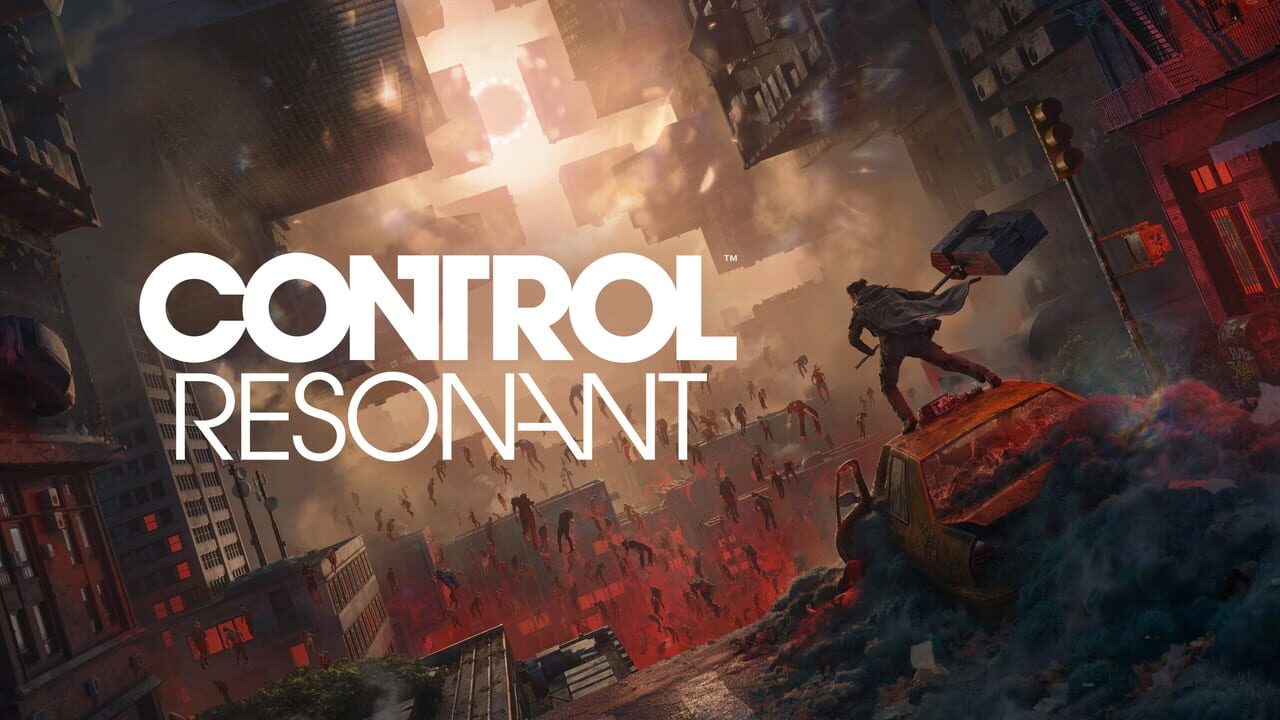
▲ Official Artwork (Source: IGDB)
The Competitive Landscape of September 2026
Choosing September 24, 2026, as a release date puts Control Resonant in direct competition with other major industry heavyweights. Most notably, Silent Hill: Townfall is scheduled to drop on the exact same day, creating a clash between two atmospheric powerhouses. This crowded window suggests a high level of confidence from Remedy, as they position their new action-focused direction against established horror franchises and other late-summer blockbusters like Onimusha: Way of the Sword.
The shift to a character action focus is a bold move that could redefine the franchise’s identity. By moving the camera closer and emphasizing melee-based supernatural combat, the gameplay loop appears much more aggressive than the methodical pacing of the first game. Players can expect a deep mastery curve as they juggle the unique abilities of the Faden siblings, making the most of the advanced physics engine that has become a hallmark of the studio’s technical prowess. You can view more details on the official Steam page.
Control Resonant demands high-end hardware to deliver its next-gen vision.
The transition to 100GB of SSD space and the requirement for RTX 40 series hardware for path tracing signals that Remedy is no longer catering to low-end rigs. This is a clear play for visual supremacy in the character action genre, where frame timing and particle density are paramount. While Steam Deck support is a welcome surprise, the true experience will live on high-spec PCs capable of driving DLSS 4.5 and the game’s complex physics-driven combat.
Related Article: Control Resonant Remedy Gameplay Strategy
Related Article: Subnautica 2 System Requirements Analysis
Final Pulse Score: 9.0 / 10