
God of War Laufey is officially setting a new course for the legendary franchise, moving beyond the shadow of Kratos to spotlight the formidable Laufey, better known as Faye. Following a massive 20-minute gameplay reveal at the recent State of Play, the gaming community has been buzzing with questions regarding the game’s chronological placement. While many assumed that a story centered on a character who died prior to the events of the 2018 title would naturally be a prequel, Santa Monica Studio has clarified that this adventure is something far more experimental. Instead of looking backward at the Giant-Aesir wars, this entry explores a parallel narrative occurring within the divine afterlife known as the Everywhen.
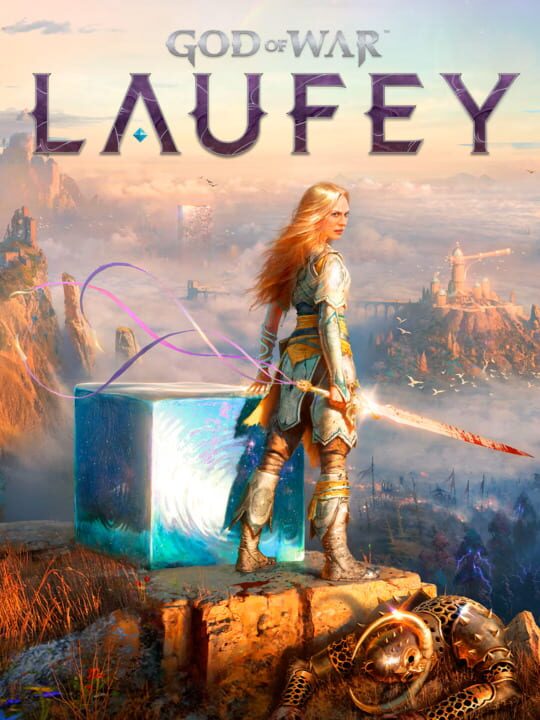
▲ Official Cover Art (Source: IGDB)
| Feature | Development Detail |
|---|---|
| Game Title | God of War Laufey |
| Developer | Santa Monica Studio |
| Director | Ariel Lawrence |
| Creative Lead | Cory Barlog |
| Key Setting | The Everywhen (The Divine Afterlife) |
| Combat Style | Speed, Precision, and Relentlessness |
The Everywhen: Expanding the Worldview of God of War Laufey
The decision to set God of War Laufey after Faye’s physical death rather than before it is a calculated move to expand the franchise’s lore without being constrained by established history. According to the creative team, the Everywhen is a realm where the rules of time and space operate differently, allowing Faye’s journey to run parallel to the timelines of both the 2018 reboot and Ragnarok. This setting provides a canvas to explore what happens to gods when they pass away—a question that was central to Odin’s motivations in previous entries but was never fully resolved for the player. By placing Faye in this “afterlife of the gods,” the narrative can interact with the existing Norse saga in ways that feel fresh and unpredictable.
This structural choice allows the developers to maintain a high level of narrative tension. In a traditional prequel, the player often knows the eventual fate of the characters, which can sometimes dampen the stakes. In God of War Laufey, however, Faye is navigating an entirely new existential threat. She discovers that her death was not the end of her duty; instead, she must fight through a landscape where ruthless deities from across various mythologies vie for power. This confirms that the franchise is ready to look beyond the Norse and Greek pantheons, utilizing the Everywhen as a connective hub for a much larger mythological universe.
Mastering the Combat Meta in God of War Laufey
From a gameplay perspective, God of War Laufey introduces a significant shift in the series’ established combat meta. Where Kratos was defined by brute strength and overwhelming runic power, Faye’s kit is built around speed, control, and relentless precision. The 20-minute gameplay reveal showcased a protagonist who moves with a fluidity that contrasts sharply with Kratos’ more grounded, heavy-hitting style. Players will need to master a faster cadence of strikes and decisive movements to overwhelm foes in the Everywhen. This isn’t just a reskin of the previous combat engine; it is a fundamental retooling designed to reflect Faye’s reputation as a warrior who once fought Thor to a standstill.
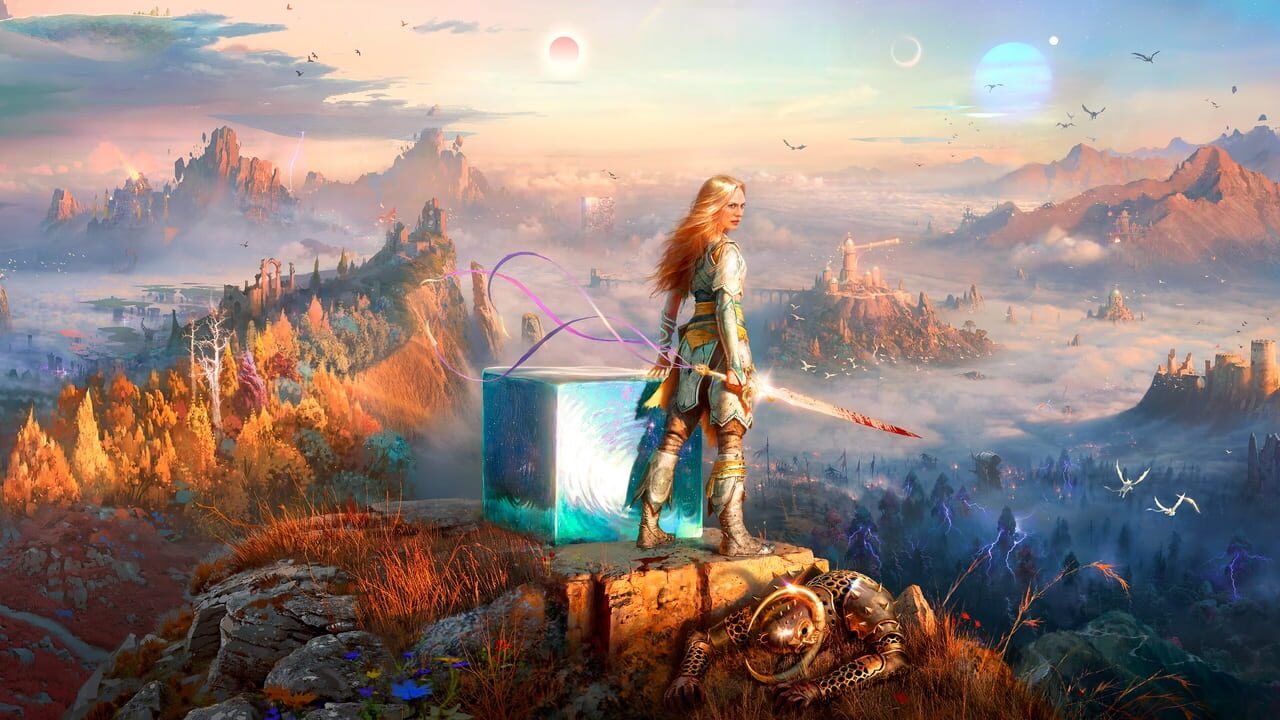
▲ Official Artwork (Source: IGDB)
A Masterplan for Narrative Continuity
The structural ambition of God of War Laufey suggests a long-term masterplan for the series’ storytelling. By focusing on Faye’s perspective during the events of the modern Norse titles, the developers are filling in narrative gaps that players may not have even realized existed. There is already heavy speculation within the community regarding whether Faye’s actions in the Everywhen influenced specific, unexplained events in the 2018 game or Ragnarok. This “hidden hand” approach to storytelling adds a layer of depth to the entire series, rewarding long-time fans who pay close attention to the environmental storytelling and subtle narrative beats that Santa Monica Studio is known for.
Furthermore, the introduction of the Everywhen solves a major mechanical hurdle: how to keep the world feeling dangerous for a god-tier character. In this realm, the magic is volatile and the enemies are gods from mythologies we haven’t yet seen. This ensures that the sense of progression and power-scaling remains intact, providing a challenging experience for both new and returning players. The game effectively serves as a bridge, linking the past eras of the franchise with a future that seems increasingly global in its mythological scope.
God of War Laufey proves that the franchise’s future lies in its narrative elasticity.
By bypassing the traditional prequel route, Santa Monica Studio avoids the foregone conclusion trap that plagues many origin stories. Faye’s journey through the Everywhen creates a unique gameplay vacuum where mechanics are not tethered to Kratos’ established power creep, allowing for a refreshed combat meta. This structural choice suggests that the afterlife isn’t just a setting, but a bridge connecting disparate mythologies into a unified Everywhen ecosystem.
Related Article: God of War Faye Cory Barlog Rumor Analysis
Related Article: God of War Faye Spinoff Leak Update
Final Pulse Score: 9.4 / 10